

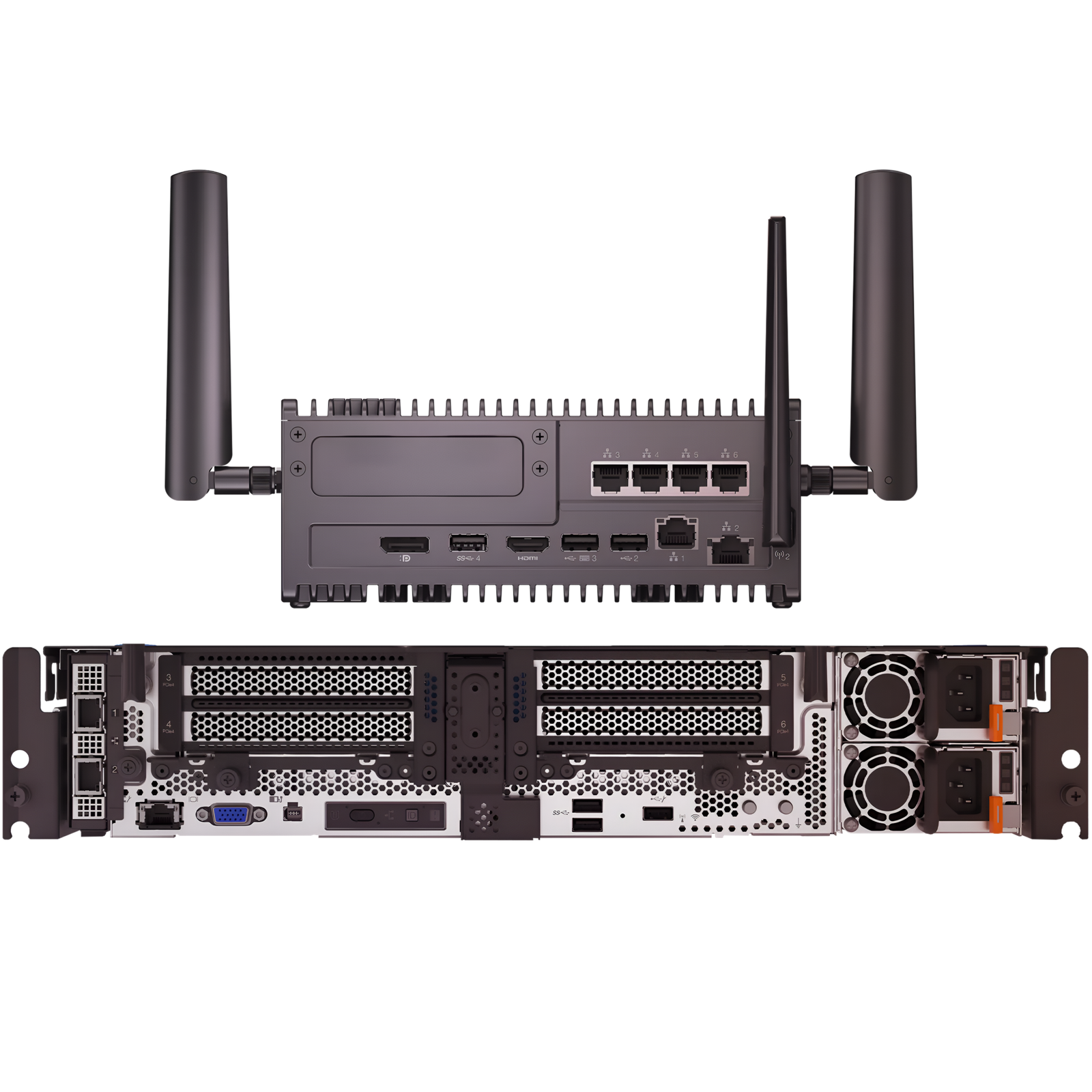
Edge servers are changing how we experience technology in real time. These powerful computing nodes sit closer to users than traditional cloud data centers. They process information right where it happens. This closeness results in a major difference in cases where the timing is in milliseconds. Consider the scenario where a video call gets stuck or an online game suffers from delay. All these annoyances are caused by data traveling a long distance.
Edge servers solve this problem by bringing computational power to the network’s edge. They reduce latency dramatically. Businesses now rely on edge computing to deliver smooth and responsive experiences. The technology supports applications that cannot tolerate delays. From autonomous vehicles to virtual reality systems, every second counts.
Understanding how edge servers power these applications helps us appreciate the technology behind our daily digital interactions.
1. Gaming Platforms That Demand Real-Time Response
Online gaming needs instant reactions to player actions. Edge servers place game logic closer to gamers, cutting round-trip latency, reducing lag spikes, and delivering smoother gameplay even during peak traffic and competitive real-time matches. This setup cuts down the time between pressing a button and seeing results on screen.
How Edge Computing Transforms Multiplayer Experiences
Multiplayer games connect people across continents. Every player’s action must sync perfectly. Edge servers coordinate these interactions with minimal delay.
Competitive gaming tournaments rely on this technology. Professional esports players notice even tiny delays. Edge infrastructure ensures fair competition by providing consistent response times. Tournament organizers deploy edge nodes at venues. This setup guarantees smooth gameplay for high-stakes matches.
- Response times under 20 milliseconds.
- Seamless gameplay during peak hours.
- Better matchmaking through local processing.
- Reduced bandwidth costs for providers.
- Support for graphics-intensive streaming.
2. Autonomous Vehicle Systems Running on Split-Second Decisions
Self-driving cars generate massive amounts of data every second. Sensors capture road conditions constantly. Edge processes this information immediately. The elimination of accidents is made possible through speedy decision-making.
Edge computing is the backbone of vehicle-to-everything (V2X) communications. The vehicles exchange information concerning the traffic and the dangers. Other vehicles receive these updates instantly. Central cloud servers are too far away for such critical tasks.
Critical features enabled include:
- Object detection and classification.
- Real-time path planning adjustments.
- Collision avoidance calculations.
- Traffic pattern recognition.
- Weather condition analysis.
With more applications now relying on edge servers for real-time data, their market is skyrocketing. The total market share of these servers is expected to surpass $72.15billion by 2033
3. Augmented and Virtual Reality Applications
In ideal conditions, AR and VR would require absolute synchronization between head movements and display updates. A less-than-perfect arrangement would lead to a motion sickness. Edge servers render graphics close to users. This proximity maintains smooth visual experiences.
Virtual meetings in the metaverse connect global teams. Participants interact with 3D environments naturally. Edge computing handles avatar movements and spatial audio. Remote rendering through edge nodes delivers high-quality visuals. Standard devices can access premium VR content.
Enhancing Immersive Training Simulations
Training programs benefit from local processing power. Instructors can add complexity without lag. Students experience realistic scenarios that build muscle memory. Edge infrastructure supports multiple simultaneous sessions. Schools deploy edge nodes on campus for better performance.
Industrial training involves AR overlays being superimposed over actual equipment; workers view instructions step by step via smart glasses. These servers recognize tools and parts instantly. They provide contextual guidance without delays. This technology reduces training time significantly.
Performance requirements for immersive experiences:
- Frame rates above 90 frames per second.
- Real-time spatial tracking accuracy.
- Instant object recognition responses.
4. Smart Manufacturing and Industrial IoT
Factory floors host thousands of connected sensors. These devices monitor equipment health continuously. Edge aggregates and analyzes this data on-site. Predictive maintenance programs reduce downtime dramatically.
Edge computing identifies unusual vibration patterns. It notices temperature changes that signal problems. Maintenance teams receive alerts immediately. They fix issues before production stops.
Quality control systems inspect products at high speeds. Cameras capture images of every item. Edge servers run computer vision algorithms locally. Defective products get rejected in real time. This process ensures consistent quality without slowing production.
Manufacturing benefits from edge deployment:
- Equipment monitoring across factory floors.
- Instant quality inspection results.
- Robot coordination without delays.
- Energy consumption optimization.
- Supply chain visibility improvements.
5. Financial Trading Platforms
Stock markets move in microseconds. Trading algorithms execute thousands of transactions instantly. Edge servers place computational power near exchanges. Traders gain competitive advantages through reduced latency.
High-frequency trading firms deploy edge infrastructure globally. They need the fastest possible execution speeds. Every microsecond advantage translates to profit. Edge computing brings trading algorithms physically closer to markets.
Fraud detection systems analyze transactions as they occur. Edge identifies suspicious patterns immediately. They block fraudulent activities before completion. This real-time protection saves billions annually.
Financial services depend on edge computing for:
- Ultra-low latency trade execution.
- Real-time risk assessment.
- Instant fraud detection responses.
- Payment authorization speed.
- Market data processing efficiency.
Conclusion
Edge servers have become essential for applications that cannot tolerate delays. These five categories demonstrate the transformative power of distributed computing. From keeping gamers engaged to enabling life-saving medical procedures, edge technology delivers results. The common thread is speed. Applications that once seemed impossible now work seamlessly. Edge computing brings processing power where it matters most. As 5G networks expand, edge server deployment will accelerate. More applications will leverage this architecture.
