

Growing businesses encounter new technological challenges at every stage. Workloads increase day by day. Files keep growing. Teams need faster systems to stay productive.
A recent survey reveals that most organizations (63 percent)want to increase their annual IT infrastructure spending to support growth and meet daily work demands.
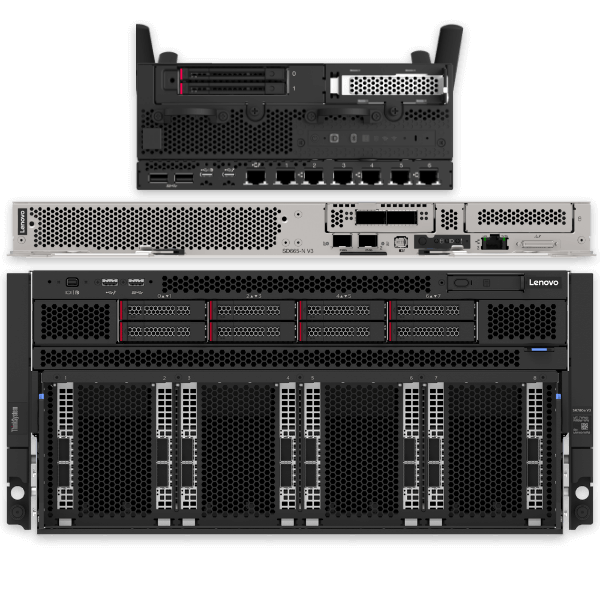
This number underscores the increasing significance of smart infrastructure. Small servers help solve these problems in a simple and practical way. They offer strong performance without taking up much space. They also stay affordable and easy to manage. Most importantly, they grow along with the business.
This article explains seven key challenges that small servers solve for growing businesses.
1. Solving Space Problems in Small Offices
Many growing businesses start in small offices. Some work from shared spaces. Others operate from compact rooms. Space becomes a daily challenge. Large systems occupy too much space. They block movement and create clutter. This makes work uncomfortable.
Small servers solve this issue in a smart way, coming in compact sizes that fit easily on desks, shelves, or small racks. As a result, the office remains clean and organized.
- They save floor space.
- They reduce cable mess.
- They fit into tight areas.
Teams can place them close to workstations. This makes access simple. It also reduces setup time. As the business grows, office space stays usable and stress-free.
2. Managing Growing Data Without Stress
Every growing business creates more data each day. Files, reports, emails, and backups accumulate quickly. Old systems struggle to store and manage this vast amount of data. This can cause slow access and increase data loss risks.
Small servers easily handle growing data needs. They support flexible storage options. Teams can add more storage when needed. This keeps data organized and secure.
- They store data safely.
- They support backups.
- They allow easy expansion.
Why Easy Data Access Matters
When employees access files quickly, work progresses more efficiently. Small servers keep data available at all times. As a result, teams avoid delays. They also feel confident that important files stay protected. This reduces stress and improves daily workflow.
3. Reducing IT Costs While Scaling Up
Cost control matters for every growing business. Large systems cost more to buy. They also need more power and cooling. Maintenance costs rise over time. Small servers help control these expenses. They use less energy. They need less cooling support. They also cost less to maintain.
- Lower power usage
- Reduced cooling needs
- Simple maintenance
Because costs stay low, businesses save money each month. They can invest more in staff tools and growth plans. This balance helps businesses scale without financial pressure.
4. Improving Team Productivity Every Day
Slow systems reduce productivity. Employees wait for files to load. Apps respond slowly. This breaks focus and wastes time.
Small servers improve daily work speed. They handle common business apps with ease. They keep systems running smoothly throughout the day.
- Faster file access
- Stable app performance
- Less downtime
How Speed Supports Better Work
When systems run smoothly, teams stay focused. Tasks finish faster. Small servers support steady performance during busy hours. As a result, employees feel confident and motivated. Productivity improves naturally.
5. Making IT Management Simple
Many growing businesses lack a full IT team. Complex systems need expert handling. This creates delays and confusion. Small servers simplify IT management. They offer easy setup steps. Updates and monitoring stay clear and quick.
- Simple setup process
- Easy system updates
- Clear control tools
Business owners and small teams manage systems without trouble. Issues get resolved faster. Systems stay healthy. This saves time and reduces dependency on outside help.
6. Supporting Secure Business Operations
Security becomes critical as businesses grow. More users mean more risk. Data breaches cause serious harm. Small servers support strong security features. They help control who can access data. They support regular updates that protect systems.
- User access control
- Data protection tools
- Regular security updates
By keeping systems up to date, businesses stay protected. Sensitive files remain safe. This builds trust with customers and partners. Security supports long-term success.
7. Helping Businesses Scale with Confidence
Growth brings constant change. New employees join. New tools appear. Systems must adjust quickly. Small servers support smooth scaling. Businesses start small and expand when needed. Upgrades stay simple and cost-effective.
- Flexible upgrade options.
- Support for new users.
- Long-term growth support.
As a result, businesses can avoid future limitations. They plan growth with confidence. Systems adapt as needs change. This keeps operations steady during expansion.
Conclusion
Growing businesses face many challenges as they scale. Space issues, cost control, data growth, and security all affect daily work. Small servers solve these problems in a practical and simple way. They fit into small offices. They manage data smoothly. They reduce costs and improve productivity. They also maintain systems’ security and ensure they are easy to manage.
Most importantly, they support growth without adding stress. When businesses choose smart solutions, growth feels organized and controlled. Small servers help teams focus on goals instead of tech problems. This makes them a strong and reliable choice for growing businesses.
