

Automotive belts may look simple, but they play a quiet and critical role in keeping a vehicle running smoothly. When one belt starts to fail, it often sends small warning signs long before a breakdown happens. The problem is that many drivers miss these signs or do not know what they mean. This guide walks through seven common belt problems, why they happen, and how you can avoid them with basic care and attention.
Why Automotive Belts Deserve More Attention
Most people only think about belts when something goes wrong. A sudden noise, a warning light, or a stalled engine often brings them into focus. What makes belts tricky is that they usually fail slowly, not all at once. Knowing what to look for can save time, money, and stress later.
Below are the most common issues and what they reveal.
1. Cracks on the Belt Surface
Cracks are one of the earliest signs of belt trouble. They often start small and spread over time.
Why cracks appear
Heat, age, and constant bending slowly weaken the belt material. Over time, the surface dries out and tiny splits begin to show.
Why this is a problem
Even small cracks reduce strength. A cracked belt can snap without much warning, especially during long drives or heavy use.
How to avoid it
- Check belts during routine service
- Replace belts that show visible cracking
- Avoid ignoring age-based replacement schedules
2. Squealing or Chirping Noises
That sharp squeal when starting the engine is not just annoying. It is a clear message.
What the noise means
The belt may be loose, worn, or slipping on the pulleys. Moisture can make the sound louder, but it is rarely the real cause.
Why you should act fast
Noise often appears before serious damage. Ignoring it can lead to loss of power to key systems.
Key warning signs
- Noise during startup
- Noise when turning or accelerating
- Sound that comes and goes
Note:
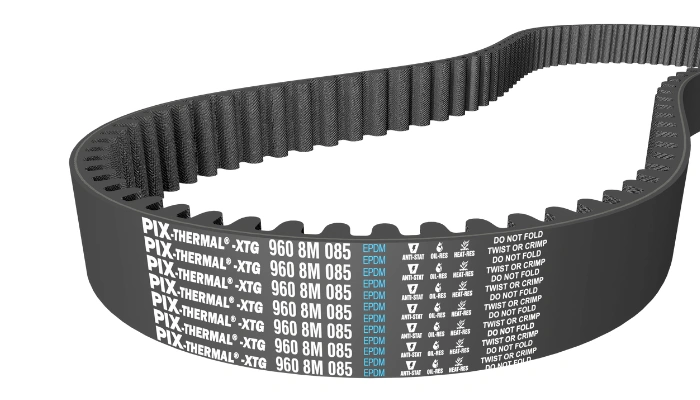
Keeping belts in good condition is one of the simplest ways to avoid sudden vehicle trouble. Understanding how Automotive Belts(Автомобильные приводные ремни) wear, fail, and give early warning signs helps you stay prepared and make smarter maintenance decisions. If you want clear guidance and reliable information from an experienced name in the industry, Pix Trans Russia is a helpful place to start. Contact them to explore practical insights and solutions that support long-term vehicle reliability.
3. Belt Slipping During Operation
A slipping belt does not grip properly. This reduces how well connected parts work together.
Common reasons for slipping
- Worn belt surface
- Poor tension
- Misaligned pulleys
Hidden risks
Slipping creates heat. Heat speeds up wear and can damage nearby parts without being obvious at first.
Prevention tips
- Ensure proper belt tension
- Replace belts that look shiny or smooth
- Fix alignment issues early
4. Fraying Along the Edges
Frayed edges are easy to spot if you know where to look.
What causes fraying
Misaligned pulleys or worn guides force the belt to rub where it should not. Over time, strands loosen and peel away.
Why fraying is serious
Once the edges weaken, the belt loses shape. This increases the chance of sudden failure.
What to watch for
- Loose fibers
- Uneven edges
- Belt sitting off-center
5. Glazing on the Belt Surface
A glazed belt looks shiny, almost polished.
How glazing happens
Heat and slipping harden the belt surface. Instead of gripping, it slides smoothly.
Why it reduces performance
A glazed belt cannot transfer power properly. This can affect steering, cooling, or charging systems.
Avoid glazing by
- Fixing slip issues early
- Replacing belts showing shine
- Avoiding over-tightening
6. Belt Stretching Over Time
Belts are designed to hold shape, but they do stretch slowly.
Why stretching occurs
Long-term use and constant load cause gradual length changes.
Problems caused by stretching
A stretched belt becomes loose even if it looks fine. This often leads to noise and poor performance.
Best practice
- Recheck tension during service
- Do not rely on appearance alone
- Replace belts that no longer hold tension
7. Sudden Belt Breakage
This is the most dramatic and disruptive problem.
Why belts break suddenly
Most breaks happen after long periods of ignored wear. Cracks, fraying, or heat damage finally reach a breaking point.
The real cost of breakage
When a belt breaks, several systems can stop working at once. This can leave a vehicle stranded.
How to reduce risk
- Replace belts before failure
- Pay attention to early signs
- Do not delay routine inspections
Common Belt Problems at a Glance
| Problem Type | Early Sign | Risk Level |
|---|---|---|
| Cracks | Small surface splits | Medium |
| Noise | Squealing or chirping | Medium |
| Slipping | Loss of grip | High |
| Fraying | Loose edge fibers | High |
Simple Checks That Prevent Big Problems
| Check Point | What to Look For | When to Check |
|---|---|---|
| Belt surface | Cracks or shine | Every service |
| Belt tension | Looseness | Every service |
| Alignment | Off-center belt | After repairs |
| Edges | Fraying | Monthly visual check |
Why Small Signs Create Big Curiosity
Here is the surprising part. Most belt failures do not start loud or dramatic. They start quietly, almost invisibly. The smallest crack or sound can be the first clue to a bigger issue waiting ahead. Catching these clues early often makes the difference between a simple replacement and an unexpected breakdown.
Frequently Asked Questions
1. How long do automotive belts usually last
Most belts last several years, but age, heat, and driving conditions can shorten their life.
2. Can a belt look fine but still be bad
Yes. Stretching and loss of grip may not be visible but still cause problems.
3. Is noise always caused by a bad belt
Not always, but belts are one of the most common reasons for engine noise.
4. Should belts be checked even if there are no symptoms
Yes. Regular checks help spot early wear before issues appear.
5. Can one bad belt affect other parts
Yes. A failing belt can put extra stress on connected systems.
Stay One Step Ahead
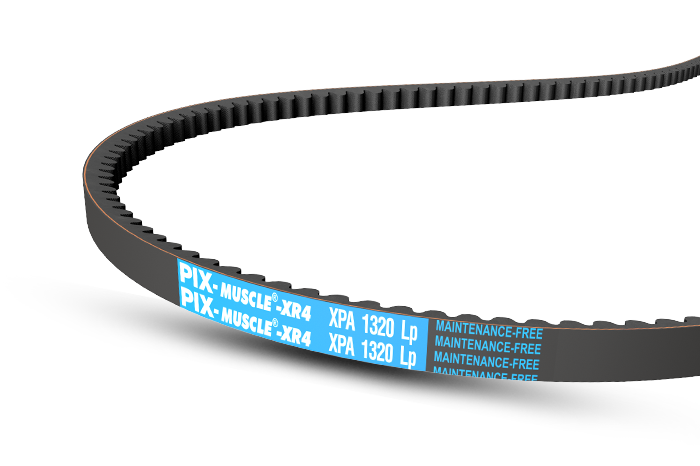
Regular checks and early action are the simplest ways to avoid unexpected trouble. Understanding how Automotive Belts behave over time helps drivers make smarter maintenance choices. For those looking to learn more or explore reliable solutions, Pix Trans Russia offers useful insights and resources. Contact them to take the next informed step toward smoother vehicle performance.
Connect With Pix Trans
Facebook: https://www.facebook.com/pixtrans/
Instagram: https://www.instagram.com/pixtrans/
YouTube: https://www.youtube.com/user/pixtrans
LinkedIn: https://www.linkedin.com/company/pixtrans/
Twitter: https://x.com/pixtrans
Google Maps: https://maps.app.goo.gl/V2NG4NKaZRKu7xtG6
