
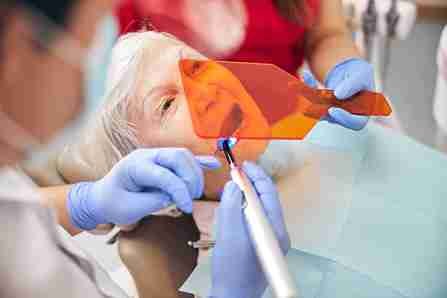
Losing teeth in the upper jaw can be a distressing experience, especially when accompanied by significant bone loss. For many patients, this condition rules out traditional implant treatments, leaving them searching for alternative solutions. Fortunately, zygomatic implants have revolutionised restorative dentistry by providing a stable, long-lasting option even in cases where the upper jawbone is severely atrophied. However, success in this advanced technique heavily depends on one crucial factor, a deep understanding of the sinus anatomy.
Understanding Zygomatic Dental Implants
Zygomatic implants are a specialised form of dental implant Liverpool designed for patients with inadequate bone in the upper jaw. Unlike conventional implants that anchor in the maxillary bone, these longer implants are fixed directly into the zygomatic bone, the cheekbone, which is naturally denser and provides exceptional support.
They are particularly beneficial for individuals who have:
- Severe maxillary bone resorption
- Previously failed sinus lift procedures
- Long-term denture use leading to bone shrinkage
- Chronic infections or trauma affecting bone density
By bypassing the need for bone grafting, zygomatic implants allow patients to regain oral function and aesthetics in fewer surgical steps. This makes them a life-changing solution for those seeking comprehensive smile restoration.
Example:
A patient with extreme upper jaw bone loss can receive immediate fixed prosthetics using zygomatic implants, avoiding the need for complex bone grafting procedures that often take months to heal.

The Role of Sinus Anatomy in Implant Placement
The maxillary sinus plays a vital role in determining the feasibility and safety of placing zygomatic implants. Located just above the upper jaw, this air-filled cavity is lined with delicate mucosa. Because the implant must pass close to or along the sinus wall, understanding its exact position, size, and volume is essential.
Here’s how sinus anatomy impacts implant success:
| Sinus Factor | Influence on Implant Placement |
| Sinus Size | Larger sinuses may require longer implants or altered angulation |
| Sinus Membrane Thickness | Thicker membranes reduce risk of perforation |
| Sinus Pathology | Pre-existing infections or cysts must be managed before surgery |
| Bone Height Around Sinus | Determines implant entry point and stability |
When these anatomical details are accurately mapped through CBCT scans (cone-beam computed tomography), surgeons can plan the implant trajectory with remarkable precision. A strong understanding of sinus structure ensures the implant avoids vital areas, minimising complications like sinusitis or mucosal tears.
Pre-Surgical Planning and Techniques
The success of Zygomatic Dental Implants Liverpool lies in meticulous planning and careful execution. Before surgery, dentists perform a comprehensive examination to assess bone quality, sinus health, and prosthetic requirements.
Key steps in pre-surgical preparation include:
- Digital Imaging: CBCT scans provide a 3D view of the patient’s maxillary sinus, nasal cavity, and zygomatic bone structure.
- Virtual Treatment Planning: Using computer-guided design, the ideal angulation and implant length are simulated to ensure precision.
- Health Evaluation: Conditions such as chronic sinusitis, diabetes, or smoking habits are reviewed, as they may affect healing.
Surgical Techniques Overview:
- Trans-sinus approach: The implant passes through the sinus wall into the zygomatic bone.
- Extra-sinus approach: The implant is positioned outside the sinus cavity, reducing sinus involvement.
- Hybrid methods: A combination of both techniques depending on anatomical variations.
Choosing the right approach depends on the patient’s sinus shape and bone availability. Experienced clinicians adapt their methods accordingly to optimise implant stability and comfort.
Surgical Expertise and Sinus Navigation
Performing zygomatic dental implants Liverpool requires not only advanced surgical skill but also precise navigation through complex sinus regions. The goal is to anchor the implant securely while avoiding damage to the delicate sinus membrane.
Critical aspects of sinus navigation include:
- Angle of insertion: Must be carefully adjusted to pass safely alongside the sinus cavity.
- Implant stability: Achieved through engagement with dense zygomatic bone.
- Sinus membrane integrity: Preventing tears reduces postoperative complications.
- Use of guided surgery: Digital surgical guides improve accuracy, ensuring optimal placement.
Even minor deviations in angle or position can compromise long-term success. Hence, collaboration between surgeons, prosthodontists, and radiologists is essential for achieving perfect placement.
Post-Operative Care and Sinus Health Maintenance
After implant placement, maintaining sinus and oral health becomes a top priority. Proper post-operative care not only accelerates healing but also helps avoid complications such as sinusitis or implant loosening.
Post-Surgery Recommendations:
- Avoid blowing your nose forcefully or engaging in strenuous activities for the first few weeks.
- Use prescribed nasal sprays or saline rinses to keep the sinus passages clear.
- Maintain excellent oral hygiene using gentle brushing and antibacterial mouthwash.
- Attend all follow-up appointments for professional evaluation and cleaning.
Signs to watch for:
- Persistent nasal congestion
- Facial discomfort or swelling
- Fluid discharge from the nasal area
If any of these symptoms occur, prompt communication with the dental surgeon is essential. Proper aftercare ensures the implants integrate well and the sinus remains healthy.
Benefits of Sinus-Aware Implant Planning
Understanding and respecting sinus anatomy during implant placement offers numerous benefits, both immediate and long-term.
Advantages include:
- Reduced surgical risks and sinus complications
- Enhanced implant stability and success rate
- Shorter recovery period
- Natural-looking aesthetic results
- Long-lasting oral function and comfort
In addition, a sinus-aware approach allows patients with severe bone loss to receive implants without the need for time-consuming bone grafts or sinus lifts. This improves treatment efficiency and overall satisfaction.

Confidence and Function Restored
For many patients, the outcome of properly placed zygomatic implants is transformative. The ability to eat, speak, and smile with renewed confidence significantly improves their quality of life. Furthermore, the cheekbone’s dense structure provides excellent anchorage, giving the prosthesis remarkable durability.
Unlike removable dentures, zygomatic implants offer:
- Fixed, stable teeth that feel and function naturally
- Improved facial appearance by preventing further bone resorption
- Long-term reliability with minimal maintenance requirements
The synergy between advanced imaging technology and expert surgical planning ensures that each implant is tailored to the patient’s unique sinus and facial anatomy.
Conclusion
Understanding sinus anatomy is fundamental to achieving precision, safety, and long-term success with zygomatic implants. When carefully planned and expertly executed, this advanced procedure can restore not only smiles but also confidence and quality of life. For those struggling with severe upper jaw bone loss, consulting an experienced implant specialist is the first step toward a lasting solution.For expert-led care and advanced treatment outcomes, trust Smilo Dental Implant Liverpool where precision meets artistry in dental restoration.
