

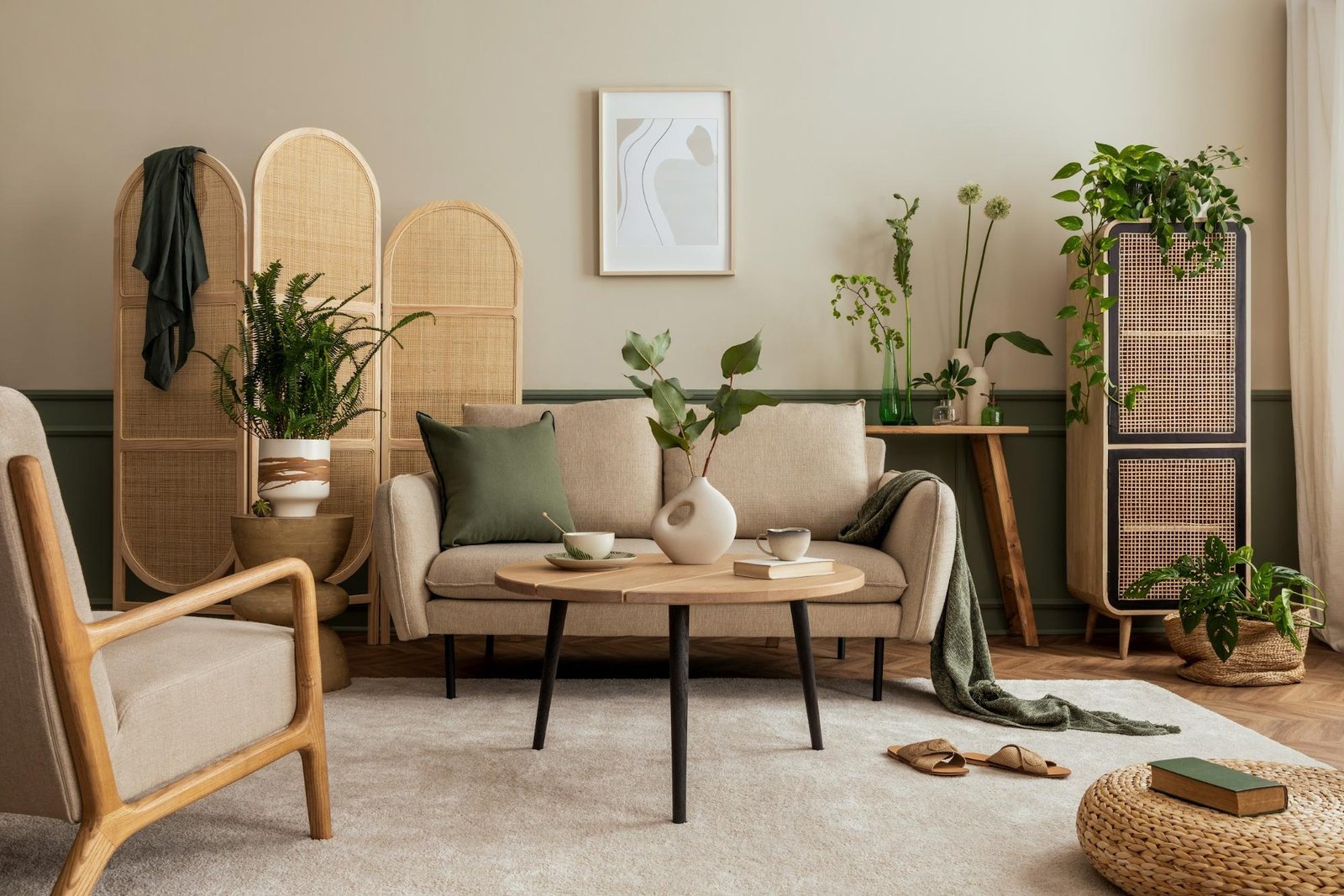
In our increasingly urbanized and technology-driven world, the innate human desire to connect with nature, a concept known as biophilia, has never been stronger. Our homes, which should be our sanctuaries, can sometimes feel sterile and disconnected from the natural world. However, a powerful and beautiful design movement seeks to bridge this gap. By intentionally incorporating plants and natural elements into your interior design, you can create a living space that is not only visually stunning but also promotes well-being, reduces stress, and purifies the air. This approach to home decor is about more than just aesthetics; it is about crafting an environment that nourishes the soul and fosters a sense of calm and tranquility.
The Foundation: The Power of Plants
At the heart of any nature-inspired interior are plants. They are the most direct and dynamic way to inject life and vibrant energy into a room. Beyond their visual appeal, plants are natural air purifiers, removing toxins and releasing oxygen, and numerous studies have shown they can boost mood, enhance creativity, and reduce feelings of anxiety. The key to success with plants is to see them not just as accessories, but as integral elements of your decor.
Choosing the Right Greenery for Your Space
The first step is to select plants that will thrive in your specific home environment. Consider the light levels in each room. For bright, sunny spaces, succulents like aloe vera or echeveria, and sun-loving plants like fiddle leaf figs or bird of paradise, are excellent choices. For lower-light areas such as bathrooms or north-facing rooms, opt for resilient varieties like snake plants, pothos, ZZ plants, or peace lilies. It is also crucial to be honest about your lifestyle. If you travel frequently or tend to forget watering, low-maintenance plants like snake plants or cast iron plants will be your most forgiving companions. For those with more time and a green thumb, a dramatic monstera or a collection of delicate ferns can become a stunning focal point.
Creative Display and Styling
Once you have chosen your plants, the next step is to integrate them thoughtfully into your decor. Avoid simply lining them up on a windowsill. Instead, use varying heights and levels to create visual interest. Place a large floor-standing plant, like a fiddle leaf fig or a rubber plant, in an empty corner to fill the space and add height. Utilize shelves, mantels, and side tables for smaller potted plants or trailing varieties like ivy or string of pearls. Hanging planters are a fantastic way to draw the eye upward and free up surface space, adding a new dimension to your room. Do not be afraid to play with different pot materials; a mix of textured terracotta, sleek ceramic, and natural woven baskets can add depth and character to your display.
Beyond Greenery: Integrating Natural Materials
While plants are the star of the show, the supporting cast of natural materials is what creates a truly cohesive and grounded atmosphere. The goal is to layer textures and elements that feel authentic and connected to the earth, moving away from synthetic and mass-produced finishes. These foundational home decor ideas focus on materiality to build a rich, sensory experience.
The Warmth of Wood and Stone
Wood is one of the most versatile and welcoming natural elements you can incorporate. It brings instant warmth and organic texture to any space. This does not require a full-scale renovation. Consider a live-edge wooden coffee or dining table, which celebrates the natural form of the tree. Introduce wood through floating shelves, a statement headboard, or even smaller accents like cutting boards and picture frames. Similarly, stone offers a sense of permanence and cool elegance. A slate tile floor, a marble countertop, or even a collection of smaller river rocks or geodes displayed on a shelf can introduce this elemental quality. The inherent variations in grain and veining ensure that no two pieces are alike, adding to the unique character of your home.
Textiles and Organic Accents
Textiles are a soft and accessible way to weave natural elements throughout your home. Swap out synthetic blankets and pillows for those made from wool, cotton, linen, or jute. A chunky knit wool throw on a sofa or a set of crisp linen bedding can instantly make a room feel more cozy and inviting. Natural fiber rugs, such as sisal, jute, or seagrass, are durable and add wonderful texture underfoot. Furthermore, consider other organic accents like a vase filled with dried branches or pampas grass, a piece of driftwood used as a sculptural object, or wall art made from pressed leaves or natural fibers. These thoughtful details are central to creating a serene and nature-infused sanctuary.
Crafting Your Natural Sanctuary
Ultimately, bringing the outdoors in is a personal and rewarding journey. It is about creating a home that feels alive, restorative, and deeply connected to the natural world. Start small with a single, easy-care plant and a wooden bowl. Gradually layer in more elements as you discover what brings you joy and a sense of peace. By embracing these home decor ideas centered on biophilia, you are not just decorating; you are actively investing in your well-being, transforming your house into a verdant, harmonious haven where you can truly thrive.
