

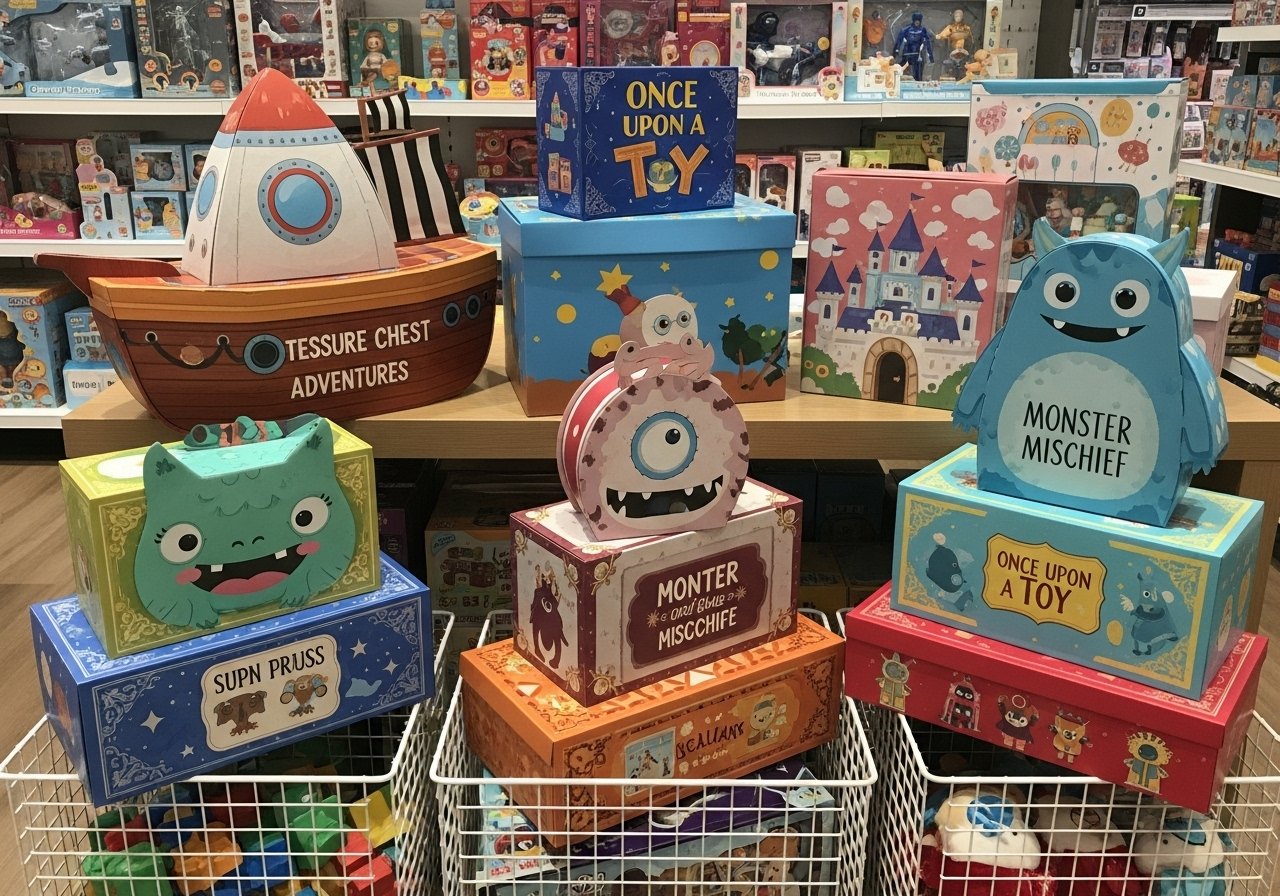
In-store toy presentation can greatly affect customers’ choices and shopping habits. When toys are shown clearly and attractively, customers find it easier to decide. Stores that organize toys nicely make shopping faster and less confusing. A good presentation allows children to see and touch toys, which helps parents choose better. Displays that fit store design and target audience also improve interest. Using creative packaging or placing toys at child height welcomes families. For many customers, a well-planned presentation makes shopping more enjoyable and increases chances of buying. This adds value to stores and supports business growth.
What Is Important in In-Store Toy Presentation?
Good toy presentation in store means the toys are clean, they are visible and that they are within reach. Toys need to be grouped by theme or age to make shopping simple. Customers benefit from clearer pricing and labeling that help them know their options. Having room for children to play with certain toys also can lead to positive feelings. Clutter-free presentation adds to the appeal of toys and makes it easier for consumers to shop. Rotate displays seasonally or with promotions to keep your presentations fresh. Generally speaking, clarity and availability will be synonymous with an effective presentation of toys on products in-store.
How Does Toy Placement Affect Customer Behavior?
Toys at the children’s eye level encourage them to interact with the products. Where children stop is where parents stop. Toys located near entrances and at the checkout area tend to be more noticed. Placement plays a key role in increasing the probability of impulse purchasing. Arranging the toys that are similar to each other decisions and comparisons are easy. Customer satisfaction is better when people can easily locate what they want. Correct positioning facilitates circulation and reduces frustration. That means they stay longer and have a better chance of buying something.
How Can Packaging Influence Toy Presentation?
Packaging is a component of toy presentation that conveys worth. Transparent boxes or windows allow customers to view toys without having to open the packaging. Bright, clean packaging will attract the eyes but don’t let it get too cluttered. The convenience of carrying the packaging also has a positive effect on the purchase decision. Quality packaging safeguards toys and leaves a lasting impact. Customers buy quality based on how the toys look in the packaging.
What Role Does Lighting Play in Toy Presentation?
Illumination can be used to bring attention to toys and focal points within a display. Bright, uniform illumination makes colors and shapes pop. Avoid strong shadows that mask product details. New or featured toys are spotlit to catch the eye. Good lighting promotes a hospitable environment for shopping. Light level adjustment according to store design and layout will enhance visibility and ambiance. Customers tend to roam when they can clearly view the toys. Lighting is essential in leading the shoppers’ eye around the dolls.
How Does Shelf Design Impact Customer Choices?
The presentation of toys can be either supported or undermined by shelf design. Robust, clean and uncramped shelves ensure better visibility of the toys. The option to add adjustable shelves means stores can change their displays as needed. Rounded or open edges prevent injuries to children that are reaching for their toys. Making use of clear-based signs on shelves helps customers take speedy buying decisions. Good shelf design can be summed up as having a lot of products that are very easy to get to. Good shelves make for a smoother browsing experience, and a good shopping experience.
How Can Interactive Displays Boost Sales?
Interactive displays invite customers, especially children, to touch and test toys. This engagement increases interest and motivates purchases. Providing simple instructions or demonstrations helps customers understand toy use. Interactive areas create a playful atmosphere that attracts families. Staff involvement during these interactions builds trust and answers questions. Offering samples or small play zones encourages longer store visits. Creating moments for hands-on experience supports stronger buying confidence.
Why Is Consistency Key in In-Store Toy Presentation?
Consistent presentation across all store areas builds trust and familiarity with customers. Using similar display styles and signage makes shopping easier and less confusing. Consistency in cleanliness and organization signals professionalism and care. Regularly updating consistent presentations keeps customer interest without overwhelming them. Consistent use of packaging and shelf design reinforces brand identity. This builds loyalty and helps customers find products with confidence every visit.
How Do In-Store Toy Presentations Differ in Canada?
Toy stores in Canada often adopt a mix of traditional and modern presentation styles. Stores focus on creating fun, safe, and organized spaces for families. Many stores use custom toy boxes packaging to appeal to American customers and support branding. Seasonal updates and promotional displays are common to attract new shoppers. Technology such as digital screens or interactive kiosks is becoming more popular. Canada customers expect convenience and clarity, so presentations aim to meet these needs effectively.
How Does Seasonal Display Impact In-Store Toy Presentation?
Seasonal displays refresh toy presentations and attract more customers. Changing decorations and themes based on holidays or seasons keeps the store lively. Toys organized around events like Halloween or Christmas feel more relevant and exciting. This helps parents and children find gifts or toys suited for current occasions. Using quality display materials from Upacked in setting up seasonal displays adds professionalism. Seasonal colors and props highlight products and draw attention. Updating displays regularly shows customers the store is active and cares about their interests. This approach encourages frequent visits and more purchases.
What Is the Effect of Signage and Labels on Toy Presentation?
Signage and labels guide customers quickly to products they want. Clear signs with age recommendations help parents pick suitable toys. Labels with simple descriptions explain features, saving time for shoppers. Well-placed signs can highlight sales or new arrivals. Using easy-to-read fonts and contrasting colors improves visibility. Signage reduces confusion and improves shopping flow. When customers understand product options better, they feel confident in buying. Good signage supports overall effective toy presentation and customer satisfaction.
Conclusion
In-store toy presentation plays a major role in how customers decide to buy toys. Proper placement, clear packaging, good lighting, and interactive displays create positive shopping experiences. Consistent presentations build trust with shoppers. Stores in Canada tailor presentations to balance fun and efficiency. When you focus on these elements, your store can attract more families and increase sales. Improved toy presentation is a practical way to support store growth and customer satisfaction.
