
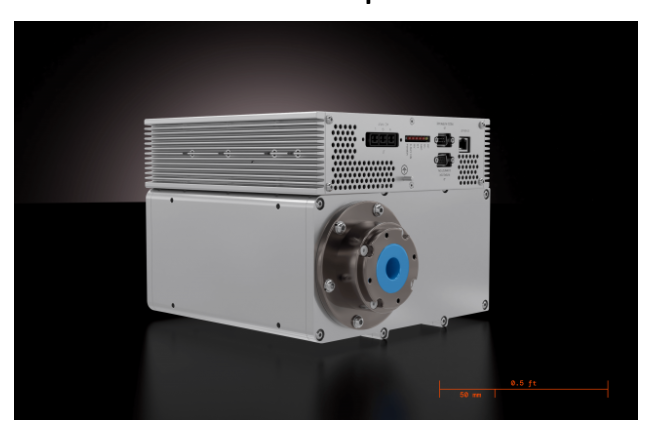
In the rapidly advancing field of medical imaging, the demand for precise, reliable, and high-performance equipment has never been higher. At the heart of many modern X-ray systems lies the integrated x ray generator, a crucial component that powers the imaging process and ensures diagnostic accuracy. For healthcare facilities, radiology centers, and OEMs, understanding what to consider before purchasing one is essential to make an informed investment.
This guide delves into the factors to consider, types of generators, and tips to choose the best system that aligns with your operational and clinical needs.
Understanding Integrated X-Ray Generators
An integrated x ray generator is more than just a power supply for an X-ray tube. It is a sophisticated system that converts electrical energy into the high-voltage currents necessary to produce X-rays. Unlike standalone generators, integrated models combine the high-voltage source and control electronics in a compact, streamlined package, making them ideal for modern digital imaging systems.
These generators are designed for efficiency, reliability, and flexibility, enabling radiologists to capture high-quality images across various clinical applications—from general radiography to advanced CT scanning.
Why Choosing the Right Generator Matters
The quality of an X-ray image depends heavily on the stability and performance of the generator. Inconsistent voltage or inadequate current can lead to underexposed or overexposed images, which may compromise diagnostic accuracy. Moreover, the generator affects patient safety by controlling radiation dose and exposure time.
Selecting the right generator ensures:
- Optimal Image Quality: Stable power output produces consistent X-rays, resulting in clear and precise images.
- Reduced Patient Exposure: Advanced control mechanisms minimize unnecessary radiation.
- Operational Reliability: High-quality generators withstand continuous use and heavy workloads without failure.
- Maintenance Efficiency: Well-engineered systems simplify servicing and extend equipment lifespan.
For medical facilities and OEMs, these factors directly impact workflow efficiency, patient outcomes, and return on investment.
Key Considerations When Buying an Integrated X-Ray Generator
When evaluating generators, several technical and operational factors must be taken into account:
1. Power and Output Stability
The core function of any generator is to deliver a consistent and adjustable current to the X-ray tube. Look for models that provide precise voltage control and minimal ripple, as these features directly influence image clarity. Modern generators often include digital regulation, allowing automatic adjustments based on the imaging requirements.
2. Compatibility with X-Ray Systems
Not all generators are universally compatible. Ensure the generator aligns with the specifications of your X-ray system, including tube type, imaging modality, and software integration. The right match guarantees seamless operation and optimal performance.
3. Size and Integration
One of the advantages of an integrated x ray generator is its compact design. Smaller footprints reduce space requirements and allow easier integration into advanced imaging systems, particularly portable or hybrid setups. Facilities with space constraints should prioritize compact, high-performance units.
4. Safety Features
X-ray generators operate at extremely high voltages, so safety is paramount. Look for built-in mechanisms such as overcurrent protection, grounding systems, and temperature monitoring. These features safeguard both operators and patients while prolonging equipment life.
5. Maintenance and Serviceability
Regular maintenance is critical to keep generators functioning reliably. Choose models that offer modular components, easy access for servicing, and strong manufacturer support. This approach minimizes downtime and operational disruptions.
6. Vendor Reputation
The reliability of a generator is often linked to the expertise of its manufacturer. Reputable compact high voltage x ray source makers provide advanced engineering, thorough quality control, and responsive technical support, ensuring consistent performance over time.
Types of Integrated X-Ray Generators
Understanding the types of generators available helps in making an informed choice:
- Single-Phase Generators: Suitable for small clinics and low-volume imaging, these units are cost-effective but may have minor voltage fluctuations affecting image quality.
- Three-Phase Generators: Offer stable output and higher efficiency, ideal for hospitals and high-volume imaging centers.
- High-Frequency Generators: Compact and energy-efficient, they provide smooth, consistent power for digital imaging, reducing exposure times and improving patient safety.
- Digital Generators: Integrated with advanced imaging software, these generators allow precise real-time control over exposure parameters, optimizing both workflow and diagnostic accuracy.
Selecting the right type depends on the clinical application, imaging volume, and operational requirements of your facility.
Evaluating Performance and Efficiency
Performance metrics are crucial in evaluating an integrated X-ray generator:
- Voltage Range: Higher voltage ranges allow imaging of dense anatomical structures without compromising clarity.
- Current Capacity: Sufficient tube current ensures proper X-ray flux for detailed imaging.
- Exposure Time Control: Short exposure times reduce motion artifacts and radiation dose.
- Energy Efficiency: Generators that convert power efficiently reduce operational costs and heat generation.
Investing in a generator that balances these parameters ensures high-quality imaging with operational reliability.
Integration with Modern Imaging Systems
Modern medical imaging is increasingly digital, requiring generators that integrate seamlessly with imaging software, detectors, and automation systems. Generators that support digital protocols and remote monitoring enable real-time parameter adjustments, automated quality control, and predictive maintenance, enhancing both efficiency and patient care.
For OEMs designing next-generation X-ray systems, selecting the right generator for x ray machine is critical to deliver reliable performance in competitive markets.
Future-Proofing Your Investment
The medical imaging field is continuously evolving, with advancements in digital radiography, portable imaging, and AI-assisted diagnostics. When purchasing an integrated X-ray generator, consider future-proof features such as:
- Upgradable firmware for new imaging modalities
- Compact design for emerging hybrid systems
- Compatibility with high-performance detectors and advanced imaging software
These considerations ensure your investment remains relevant as technology advances.
Conclusion
Purchasing an integrated x ray generator is a strategic decision that affects diagnostic accuracy, patient safety, and operational efficiency. Understanding power requirements, system compatibility, safety features, and vendor reputation is essential to make an informed choice. High-quality generators from experienced compact high voltage x ray source makers ensure reliable performance and longevity. For OEMs and healthcare facilities, choosing the right generator for x ray machine guarantees high-quality imaging and optimal workflow.
VJ X-Ray is a global leader in developing and manufacturing integrated X-ray sources and high-voltage generators. With over three decades of expertise, their engineering team delivers highly customizable solutions for OEMs, serving partners from facilities in New York and Suzhou, and powering next-generation imaging systems with precision and reliability.
