
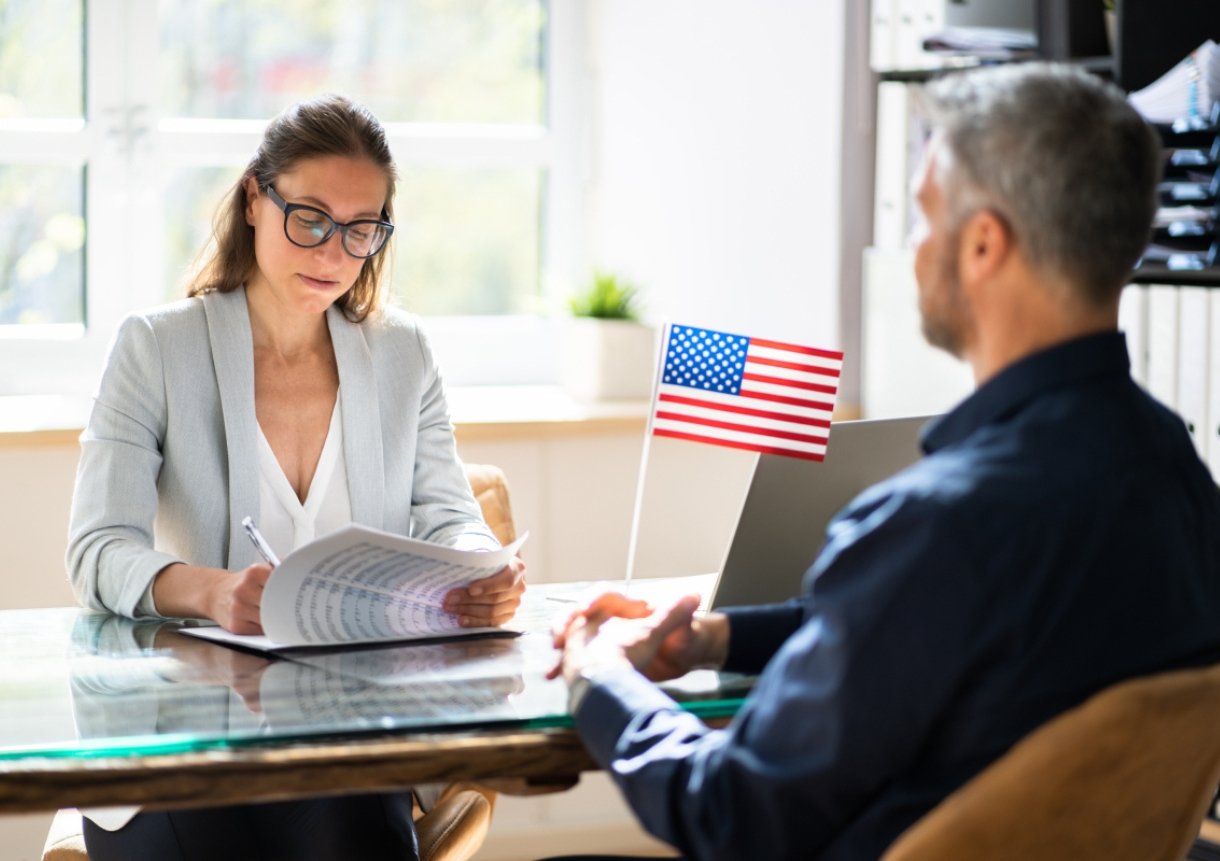
A key step towards United States education is obtaining a U.S. student visa (F-1). One of the most significant aspects of the visa interview, though, is demonstrating that you possess strong connections to return to your home country after study. The government of America must be confident that the students arriving on a temporary visa are not going to remain there for the rest of their lives.
Most of the students are turned down because they cannot persuade the visa officer that they have the intention to go back home, not because their intentions are not good, but because they cannot articulate them properly. Knowing how to talk and how to present evidence of your home country ties can make a big difference.
In case you are puzzled about what to do first, don’t worry, since students usually get confused. You should approach the best visa consultants who are highly experienced at navigating U.S. student visa applications. They know the system, they are well conversant with the interview process, and will walk you through it step by step. From document preparation, writing your answers, to self-confidence building for your interview, they will present your assertion most effectively.
How to Demonstrate Connections to Home Country during a Visa Interview
A Step-by-Step Guide to Show Ties to Your Native Country:
1. Family and Social Ties
Your family and social connections are some of the most accurate predictors that you will come back home. If you have parents, siblings, a wife or husband, or children in your country of origin, state clearly. State any debt that you owe to them, e.g., being the sole child or performing household chores. State your membership in local social or cultural organizations, religious communities, or any other associations that bind you to your locality.
2. Financial Bonds
The visa officers also desire to find out that you or your family members have close financial bonds in the host country. You can demonstrate this through evidence of family assets, a home, land, or business. If you have some investment or savings in local banks, or your family earns income from work or business in the country, these are good signs. Take with you evidence of property deeds, business licenses, tax returns, or bank statements to corroborate this.
3. Career Objectives in Your Country of Origin
Having some tangible career objectives related to your country of origin can work in your favor big time. Explain how the education you are getting in the U.S. will be useful to you in the job scenario of your country of origin. If your profession is required in your country of origin, point that out. You can also indicate job opportunities or internships waiting for you upon graduation. This indicates that you have a plan to return and contribute professionally in your home country.
4. Educational Purpose
You must persuade the visa officers that your ultimate purpose is to study, and not immigration. You should describe why you wish to pursue studies in the U.S.—most likely, the course is unavailable or of the same standard in your native country. Describe clearly how the course will enable you to develop academically and professionally in your home country. Clearly state your intention to pursue education and then return to apply your knowledge in your home country.
5. Future Aims and Plans
Here, you discuss your plans. Make sure the visa officer understands your point that you have a well-thought-out plan. If you want to work in your family business, a sector, or start an enterprise upon return, make it explicit. Refrain from evasive responses such as “I haven’t made up my mind” or “I will think about it after studying” — this will create the impression that you may like to remain in the U.S. Instead, be concise, assertive, and specific about your desire to return.
6. Supporting Documents
While your words do matter during the interview process, documents can confirm your assertions. Bring respective documents showing your home connections: property deeds, family photos, bank accounts, work letters, educational background, business registration papers, etc. Even though the officer may not request them, being prepared with them indicates that you are serious and prepared.
If all of this still seems to be a bit too daunting, don’t worry about it; that’s quite okay. You do not necessarily have to go about it alone. You can approach US visa consultants. Their experts will guide you properly because they have been in this field for more than 20 years. They are experts; they will guide you every step.
Conclusion
The most important part of obtaining a U.S. student visa is that students will have to show their strong ties with their home country. With proper preparation, supporting documents, and a confident presentation, you can persuade the visa officer that you have sound plans.
