
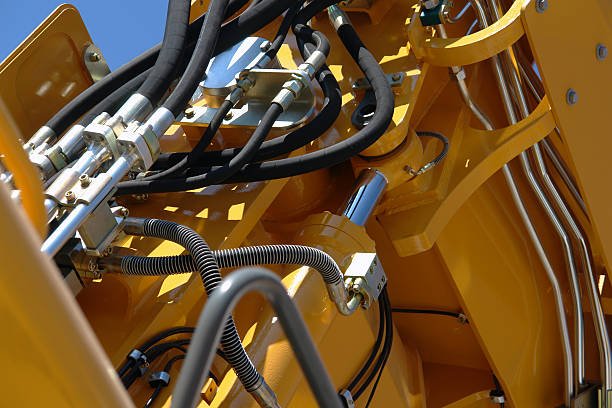
Hydraulic lifts are among the most versatile and reliable lifting systems used in industrial, commercial, and residential environments. Powered by fluid mechanics, a hydraulic lift provides smooth, controlled motion, making it ideal for heavy loads, frequent use, and applications where safety and precision are paramount. In this guide, we explore how hydraulic lifts work, their advantages, specific types like cargo hydraulic lifts, and leading providers — including SabTech — that deliver high‑quality hydraulic lift solutions.
What Is a Hydraulic Lift?
A hydraulic lift uses a hydraulic system — typically comprising a fluid-filled cylinder, a pump, valves, and a piston — to generate lifting force. When hydraulic fluid (usually oil) is pumped into the cylinder, it pushes the piston upward, lifting the platform or load. When the fluid is released, the lift lowers smoothly under controlled flow. Because hydraulic systems multiply force efficiently, hydraulic lifts can handle very heavy loads without huge motors or complex mechanics.
This simplicity of design delivers reliable and stable operation. Unlike cable-based lifts, hydraulic lifts do not need overhead machinery or complicated structural support, making them ideal for many industrial and commercial settings.
Safety and Efficiency Benefits of Hydraulic Lifts
- Controlled Movement
Hydraulic lifts offer precise control of speed and motion. Operators can start, stop, or adjust lift speed gradually, which reduces jolting and sudden stops, enhancing safety for both people and goods. - High Load Capacity
The force multiplication characteristic of hydraulics means a relatively small pump can lift very heavy loads. This makes hydraulic lift systems well suited for freight, industrial platforms, and even vehicle lifts. - Durability and Low Maintenance
Well‑designed hydraulic systems are robust. The absence of cables or chains means fewer mechanical wear‑points. With regular maintenance — such as monitoring fluid condition and checking seals — hydraulic lifts can remain in service for many years. - Space Efficiency
Because the mechanism is usually contained in the base, hydraulic lifts do not require extensive overhead machinery or large shafts. This reduces structural requirements and building costs in many applications. - Energy Efficiency
Modern hydraulic lift systems can incorporate energy-saving features. For example, they may use variable‑displacement pumps or regenerative circuits to minimize energy consumption during lift lowering or idle phases.
Cargo Hydraulic Lifts
One specialized, high-demand variant is the Cargo Hydraulic Lift. These lifts are designed specifically for transporting goods, materials, or heavy equipment between floors in warehouses, factories, or multi-story commercial buildings.
Cargo hydraulic lifts typically feature:
- Heavy-duty platforms that can carry pallets, crates, trolleys, or machinery.
- Robust hydraulic cylinders to support repeated cycles and heavy weights.
- Safety mechanisms, such as overload sensors, emergency lowering valves, and locking devices to secure the lift when stationary.
- Customized sizes for pit installation or surface mounting, depending on building infrastructure.
- Efficient operation, helping logistics teams move stock quickly, reducing manual lifting risks, and improving workflow.
These lifts play a vital role in material handling, reducing manual labor, speeding up transfer times, and improving workplace ergonomics.
Key Considerations When Choosing a Hydraulic Lift
To make the most of a hydraulic lift, decision-makers should evaluate:
- Load Requirements: Determine the maximum weight and dimensions of loads you need to lift.
- Usage Frequency: Higher cycle counts require more durable components and may justify investing in premium maintenance.
- Lift Height: The required travel height affects the size of the cylinder and the pump capacity.
- Safety Features: Look for safety valves, lock systems, emergency lowering mechanisms, and overload protections.
- Installation Constraints: Decide whether an in-ground, pit, or surface-mounted solution suits your facility.
- Maintenance Program: Establish a maintenance schedule for fluid checks, seal inspections, and periodic servicing.
- Energy Efficiency: Consider energy-saving hydraulic designs, such as variable displacement pumps or accumulator systems.
Industrial Equipment Maintenance and the Role of Hydraulic Lifts
Regular industrial equipment maintenance is essential to ensure a hydraulic lift stays safe and performant. Maintenance teams should focus on:
- Hydraulic Fluid Health: Check the oil level, viscosity, and contamination. Dirty or degraded fluid can damage valves and cylinders.
- Seals and Hoses: Inspect for leaks or wear. Damaged seals can lead to fluid loss and reduce lifting capacity.
- Pump and Motor Check: Monitor pump pressure, temperature, and noise. Any unusual behavior may indicate wear or impending failure.
- Cylinder Inspection: Look for pitting, scoring, or signs of corrosion on piston rods.
- Load Testing: Periodically test the lift under load to verify performance and safety systems.
- Safety Systems: Ensure emergency lowering systems, lock bars, and safety interlocks are fully functional.
A structured maintenance program not only prevents downtime but also ensures long-term efficiency and safety for hydraulic lift operations.
Leading Companies Providing Hydraulic Lift Services
Here are some top companies known for their expertise in hydraulic lift systems — including SabTech:
- SabTech (Saudi Basic Technology Co.)
Based in Saudi Arabia, SabTech offers a comprehensive portfolio of hydraulic lifting systems. Their product range includes mast hydraulic cargo lifts, in-ground car lifts, scissor lift tables, and wheelchair lifts.
SabTech’s engineering and R&D capabilities enable them to deliver custom lift solutions tailored to specific customer needs.
They also provide full maintenance, repair, and hydraulic system design services. - Autoquip Corporation
Autoquip is a U.S.-based manufacturer known for highly customized hydraulic lift tables and industrial lifts. - Advance Lifts, Inc.
This company specializes in high-cycle hydraulic lifts. Their lifts are designed for durability, frequent use, and reduced wear, backed by a multi-million cycle warranty. - B. R. Equipments Pvt. Ltd.
An Indian company that manufactures industrial hydraulic lifts with capacities up to 25 tons. - Palfinger AG
Based in Austria, Palfinger is renowned for its loader cranes, but they also produce lifting systems and access platforms using hydraulic technology. - ARGO‑HYTOS
Although primarily a hydraulic component and systems provider, ARGO-HYTOS plays a vital role in supplying valves, filters, and fluid-control elements used within hydraulic lift systems.
Example Use Cases
- Manufacturing Facilities: Hydraulic lifts can move heavy parts across floors in an automobile plant or assembly line, reducing manual handling risk.
- Warehouses and Distribution Centers: Cargo hydraulic lifts enable fast, safe, and reliable vertical movement of pallets and inventory between mezzanine levels.
- Vehicle Workshops: In-ground hydraulic lifts (such as those offered by SabTech) make it easy to lift cars for servicing, undercarriage inspection, or tire changes.
- Public Buildings: Hydraulic wheelchair lifts ensure accessibility by raising and lowering people with mobility challenges, conforming to safety standards.
- Maintenance Platforms: Scissor lifts, mobile or fixed, provide stable working platforms for maintenance crews to access equipment safely.
Challenges and Mitigation
While hydraulic lifts offer many benefits, there are challenges to consider:
- Hydraulic Fluid Leakage: Regular inspections and prompt seal replacement help prevent oil leaks.
- Energy Consumption: Use efficient hydraulic power units and modern designs to reduce power usage.
- Installation Complexity: For in-ground lifts, precise pit design and foundation work are required.
- Safety Compliance: Ensure lifts meet local regulations, load‑testing requirements, and safety certification standards.
- Maintenance Costs: While hydraulic lifts are robust, they do require periodic preventative maintenance. Budgeting and planning are essential.
Future Trends in Hydraulic Lifts
The hydraulic lift industry is evolving with new technologies and design trends:
- Smart Hydraulics: Integration of sensors and IoT allows remote monitoring of lift performance, fluid quality, and maintenance needs.
- Energy Recovery Systems: Regenerative hydraulic systems can recover energy during lowering operations, improving efficiency.
- Compact and Modular Designs: Manufacturers are developing modular lift units that can be customized and easily installed in tight spaces.
- Sustainable Fluids: Biodegradable or environmentally friendly hydraulic fluids are being explored to reduce environmental impact.
- Predictive Maintenance: Using data analytics, lift systems can predict wear or failure, reducing unplanned downtime.
Conclusion
A hydraulic lift is a powerful and reliable solution for a wide range of applications — from heavy freight lifting to car workshops and accessibility platforms. Its strength lies in simplicity, high load capacity, precision control, and durability. For organizations prioritizing safety and efficiency, hydraulic lifts are a strategic investment.
SabTech stands out as a local leader, offering a wide range of hydraulic lifting systems tailored for the Middle East and beyond, backed by extensive engineering capabilities and service support. Other global and regional players — such as Autoquip, Advance Lifts, Palfinger, and ARGO‑HYTOS — also contribute with specialized lift designs, components, or system-level expertise.
By understanding your load requirements, safety needs, operational profile, and maintenance strategy, you can choose the right hydraulic lift solution that will serve reliably for years. With future-forward trends like smart hydraulics and energy recovery, this technology continues to evolve — ensuring that hydraulic lifts remain a cornerstone for vertical movement in industries worldwide.
