
In our increasingly globalized world, the need for funeral services that respect and incorporate diverse cultural traditions has become more important than ever. International funeral service providers play a crucial role in facilitating cross-cultural ceremonies, ensuring that the final rites of individuals are conducted with dignity and respect, regardless of their cultural or religious background.
Here’s how international funeral service providers manage to honor diverse traditions and provide comfort to grieving families.
Understanding Cultural Sensitivities
1. Cultural Competence
· Training and Education: International funeral service providers invest in training their staff to understand and respect various cultural and religious practices. This includes learning about different mourning rituals, burial customs, and the significance of specific rites and symbols.
· Cultural Advisors: Some providers employ cultural advisors or consultants who specialize in particular traditions. These experts guide the funeral planning process, ensuring that all cultural nuances are observed and respected.
2. Personalized Services
· Tailored Ceremonies: Providers offer personalized services that cater to the specific needs of different cultural groups. This might include arranging for traditional music, attire, and rituals that are significant to the deceased and their family.
· Language Support: To bridge communication gaps, many international funeral service providers offer multilingual support. This ensures that families can communicate their wishes clearly and that all aspects of the ceremony are understood and executed correctly.
Incorporating Diverse Rituals and Traditions
1. Religious Observances
· Multi-Faith Services: Providers are equipped to handle multi-faith services, accommodating the religious practices of different faiths. This might involve coordinating with religious leaders, arranging for specific prayers, and ensuring that religious rites are performed accurately.
· Sacred Spaces: Some funeral homes have dedicated spaces for different religious ceremonies, such as chapels, prayer rooms, or meditation areas. These spaces are designed to provide a respectful environment for conducting religious rituals.
2. Traditional Customs
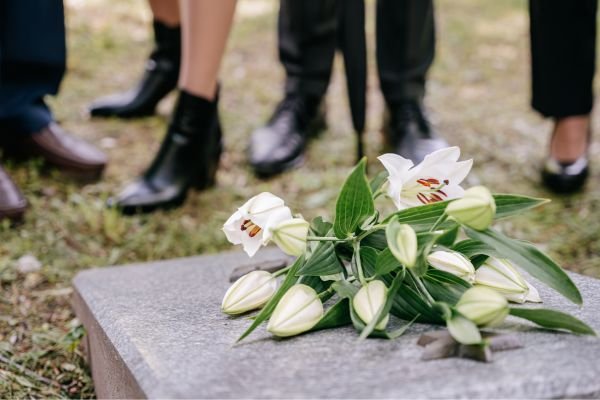
· Rituals and Symbols: International funeral service providers ensure that traditional customs and symbols are incorporated into the ceremony. This might include specific rites such as the lighting of candles, offering of flowers, or the use of particular artifacts that hold cultural significance.
· Cultural Attire: Providers often assist families in sourcing traditional attire for the deceased and the mourners, ensuring that the dress code aligns with cultural expectations.
Logistical Support and Coordination
1. Repatriation Services
· Transporting the Deceased: For families who wish to bury their loved ones in their home country, international funeral service providers offer repatriation services. This involves coordinating with airlines, embassies, and local authorities to ensure that the deceased is transported safely and respectfully.
· Documentation and Legalities: Providers handle all necessary documentation and legal requirements for repatriation, including death certificates, permits, and customs clearances. This alleviates the burden on grieving families and ensures a smooth process.
2. Global Network
· Partnerships: Many international funeral service providers have established partnerships with local funeral homes and service providers around the world. This network allows them to coordinate services seamlessly, regardless of the location.
· 24/7 Support: Given the time-sensitive nature of funeral arrangements, providers offer round-the-clock support to assist families with any urgent needs or questions.
Emotional and Psychological Support
1. Grief Counseling
· Support Services: Recognizing the emotional toll of losing a loved one, many international funeral service providers offer grief counseling and support services. These services are designed to help families cope with their loss and navigate the grieving process.
· Cultural Sensitivity: Counselors are trained to provide support that is sensitive to cultural and religious beliefs, ensuring that families receive compassionate care that respects their traditions.
2. Community Engagement
· Memorial Services: Providers often organize memorial services that bring together community members to honor the deceased. These services can be tailored to reflect cultural traditions and provide a space for collective mourning and remembrance.
· Educational Programs: Some providers offer educational programs and workshops to raise awareness about different cultural practices and promote understanding and respect within diverse communities.
Conclusion:
International funeral service providers play a vital role in facilitating cross-cultural ceremonies, ensuring that the final rites of individuals are conducted with the utmost respect and sensitivity. By understanding cultural nuances, incorporating diverse rituals, providing logistical support, and offering emotional care, these providers help families honor their loved ones in a manner that aligns with their cultural and religious beliefs. As our world becomes more interconnected, the importance of such services will continue to grow, fostering a greater appreciation for the rich tapestry of global traditions.
