
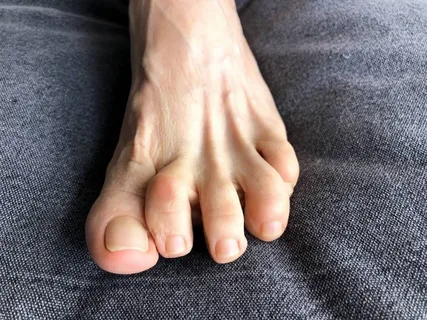
Hammertoe is a common foot condition that causes one or more toes to bend abnormally at the middle joint. This bend creates a hammer-like appearance, which can lead to pain, stiffness, and difficulty walking. Although the condition often starts mild, it can worsen over time if left untreated. Many people in Edinburgh struggle with hammertoe due to footwear choices, foot structure, or underlying conditions. Fortunately, effective treatment options are available, especially with guidance from Expert Podiatry services in Edinburgh.
What Is Hammertoe?
Hammertoe occurs when the muscles and tendons around the toe become imbalanced. This imbalance pulls the toe into a downward bend, usually affecting the second, third, or fourth toe. At first, the toe may still move normally, but as the condition progresses, it can become rigid and harder to straighten.
Common Symptoms of Hammertoe
Recognizing symptoms early can prevent the condition from becoming severe. Here are the main signs to watch for:
1. Bent Toe Joint
The most visible symptom is the abnormal bend at the middle joint of the toe. This bend may start flexible but can become fixed over time.
2. Toe Pain or Discomfort
Pain often increases when wearing shoes, walking long distances, or standing for extended periods.
3. Corns and Calluses
When the bent toe rubs against the inside of the shoe, corn or callus formation becomes common. These patches can be painful and may require podiatric care.
4. Redness or Swelling
Inflammation around the toe joint is a frequent complaint among patients with hammertoe.
5. Difficulty Moving the Toe
As the condition progresses, straightening the toe becomes difficult, especially without assistance.
What Causes Hammertoe?
Several factors contribute to the development of hammertoe:
- Wearing Tight or Narrow Shoes: Footwear that squeezes the toes forces them into a bent position.
- Genetics: Some people inherit a foot structure that makes them more likely to develop hammertoe.
- Muscle Imbalance: Weak or tight muscles can shift toe alignment.
- Injury: Trauma to the toe can lead to deformity over time.
- Medical Conditions: Arthritis, diabetes, or nerve issues may increase the risk.
Understanding the cause can help tailor the best treatment plan.
How Hammertoe Is Diagnosed
Diagnosis is usually simple. A podiatrist will examine the foot, check toe flexibility, and sometimes take X-rays to determine the severity. Early diagnosis by Expert Podiatry services in Edinburgh ensures faster relief and better long-term outcomes.
Treatment Options for Hammertoe
Treatments vary depending on whether the hammertoe is flexible or rigid. The goal is to reduce pain, improve function, and prevent progression.
1. Footwear Adjustments
Switching to shoes with wider toe boxes and soft materials can reduce pressure and friction.
2. Toe Exercises
Simple exercises—such as picking up small objects with the toes—can strengthen muscles and improve flexibility.
3. Orthotic Devices
Custom or prefabricated orthotics help correct muscle imbalance and relieve pressure on the affected toe.
4. Cushions and Pads
Corn pads, toe sleeves, and protective cushions can reduce irritation and pain.
5. Anti-Inflammatory Treatments
Ice applications or medication may help reduce swelling and soreness.
6. In Severe Cases: Surgery
When nonsurgical methods do not provide relief, a minor surgical procedure may be recommended. Surgery corrects toe alignment and eliminates long-term discomfort.
When to Seek Professional Help
If you experience worsening pain, severe bending, or difficulty walking, professional assessment is essential. Visiting specialists early makes treatment easier and more effective. Many patients in the city benefit greatly from Expert Podiatry services in Edinburgh, as these specialists offer personalized treatment plans and advanced care options.
Prevention Tips for Healthy Toes
- Wear comfortable, properly fitted shoes.
- Stretch and exercise your toes regularly.
- Keep foot muscles strong with simple daily exercises.
- Avoid high heels or narrow shoes for long periods.
- Monitor corns, calluses, and foot changes early.
Conclusion
Hammertoe may seem like a minor issue at first, but it can quickly become painful and limiting without proper care. Recognizing symptoms early, understanding the causes, and using effective treatment methods can make a huge difference in comfort and mobility. With guidance from Expert Podiatry services in Edinburgh, anyone dealing with hammertoe can receive the right support to stay active, comfortable, and pain-free.
