

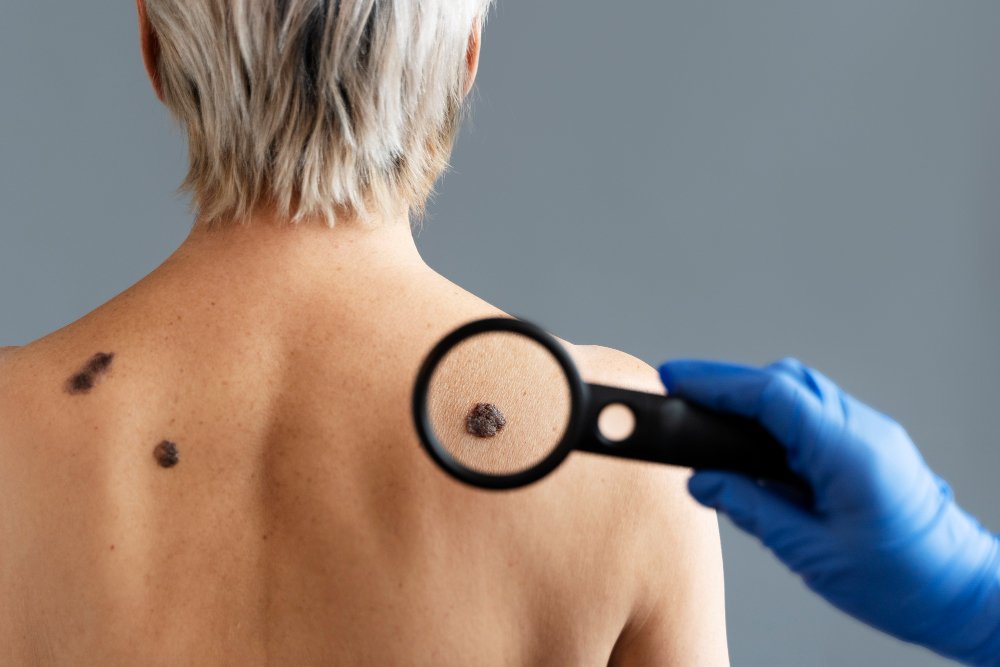
Skin health is often overlooked until a visible concern appears. Among the many issues that require close attention, changes in moles are some of the most important to monitor. Moles are usually harmless, but certain changes can indicate potential risks that should be evaluated by a qualified dermatologist. Mole mapping is one of the most reliable ways to track these changes over time and detect early signs of skin cancer. Understanding when you should consider undergoing this assessment can help you take timely action and protect your long-term skin health.
Mole mapping involves a detailed photographic record of your moles. This record allows dermatologists to compare images across visits and identify even the slightest changes. It is a structured and highly advanced approach that supports early diagnosis and accurate monitoring. Many individuals choose mole mapping for reassurance, while others undergo the process due to existing risk factors. Knowing when it is the right time for you begins with understanding your skin, your lifestyle, and your medical history.
You Have Many Moles or Atypical Moles
People who naturally have multiple moles are often advised to get a professional assessment. The more moles you have, the higher the chances of missing subtle changes. Atypical moles also require special attention. These may be larger than common moles, have uneven borders, or contain multiple colours. While not all atypical moles are dangerous, they have a higher chance of developing into melanoma. Mole mapping provides a baseline record that helps track such moles regularly and prevents delays in diagnosis.
You Have a Family History of Skin Cancer
If skin cancer runs in your family, especially melanoma, you should be more alert to changes in your skin. Genetics plays a significant role in determining your risk level. Even if you do not have many moles or visible issues, a family history places you in a category where preventive monitoring becomes essential. A dermatologist can advise you on how frequently you need assessments, and mole mapping gives both you and your doctor a structured method to monitor your skin health.
You Have Experienced Frequent Sun Exposure
People who spend a lot of time outdoors, whether for work or lifestyle, are at a greater risk of developing skin problems caused by ultraviolet rays. Excessive sun exposure can increase the chances of abnormal mole changes. If you have a history of sunburns or extended periods in the sun without protection, a mole mapping assessment can help you understand how your skin has been affected and identify any concerning patterns early.
You Notice New or Changing Moles
One of the clearest indicators that you should consider mole mapping is noticing new moles or changes to existing ones. Any change in size, colour, texture, or symmetry should not be ignored. Some moles may start itching or bleeding, both of which require immediate attention. While not every change is harmful, the safest approach is to have a professional evaluate it. Mole mapping ensures that current moles are documented and that future changes are monitored precisely.
You Have Previously Had Skin Cancer
Individuals who have been treated for skin cancer in the past require more frequent and detailed monitoring. There is always a risk of recurrence, which makes long-term follow-up essential. Mole mapping provides a clear comparison over time, allowing dermatologists to detect potential issues before they progress. Regular assessments supported by photographic tracking help maintain proper vigilance and provide peace of mind.
You Want a Preventive Approach to Skin Health
Many people choose mole mapping even without active symptoms or risk factors. Staying proactive with your skin health is a responsible choice. It gives you clarity about your skin condition and enables early intervention if something changes. Preventive care is often easier and more effective than treating an issue after it becomes serious. Whether you are concerned about your skin or simply want structured monitoring, mole mapping is a valuable tool for long-term care.
Some individuals search for solutions like mole mapping in Dubai and discover that dermatologists recommend it as part of routine skin health monitoring. A growing number of people now choose this method not only for medical reasons but also for the confidence that comes with having a clear understanding of their skin over time. If you are exploring professional dermatology services, you may also come across clinics that specialise in mole mapping in Dubai with advanced imaging and expert supervision.
Conclusion
You should consider getting mole mapping done if you have numerous moles, atypical moles, a family history of skin cancer, or significant sun exposure. It is also recommended that you notice changes in your moles or have been previously treated for skin cancer. Even without risk factors, mole mapping is an excellent preventive approach that offers long-term reassurance and medical insight. Understanding your skin and acting early helps protect your overall health.
Frequently Asked Questions
1. Is mole mapping painful
No. The process is non-invasive and involves taking high-quality images of your skin.
2. How often should mole mapping be done
Most dermatologists recommend once a year, but individuals with higher risks may need more frequent assessments.
3. Can mole mapping detect cancer early
Mole mapping itself does not diagnose cancer but helps detect changes that may require further examination or biopsy.
4. Who should avoid mole mapping
There are no major restrictions. However, pregnant women or individuals with certain skin conditions should consult a dermatologist first.
5. How long does the mole mapping process take
The duration varies depending on the number of moles, but usually takes between thirty minutes to one hour.
