

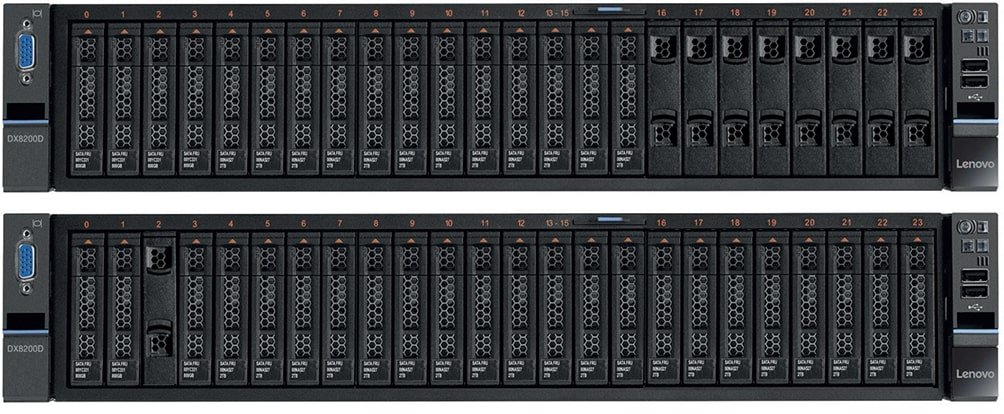
Technology keeps changing the way businesses handle their data storage needs. Software-Defined Storage or SDS has become a game-changer in this field. This smart technology separates storage software from physical hardware and gives companies better control over their data. Many organizations now use SDS to make their work faster and easier.
The system helps reduce manual tasks and saves valuable time for IT teams. Companies can now automate several complex processes that once needed constant human attention. SDS brings flexibility and power to modern data centers. It allows businesses to manage storage resources through simple software commands.
This article explores six powerful ways SDS storage creates automated solutions for infrastructure management.
1. Smart Resource Allocation Without Manual Work
SDS storage systems handle resource distribution automatically. The technology monitors storage usage patterns and adjusts resources based on real-time needs. IT teams no longer spend hours moving data between different storage devices. The main work of SDS storage is policy-driven automation, where capacity and performance adjust automatically to workload demand, removing manual provisioning and improving efficiency.
How Automatic Distribution Works
The software watches how applications use storage space throughout the day. It notices which programs need more speed and which ones can work with slower storage.
Key benefits include:
- Faster application performance.
- Better use of available storage.
- Lower costs for hardware.
- Less work for IT staff.
- Improved system efficiency.
2. Instant Backup Creation and Recovery
Data protection becomes simple with SDS automation. The system creates backup copies of important files without anyone pressing a button.
Traditional backup methods required IT staff to run backup programs manually every day. SDS changes this process completely and handles everything in the background.
Continuous Data Protection Features
This technology maintains output like snapshots that are captured at regular intervals in a day. Each snapshot in the queue holds the exact state of the files at the instant it gets recorded.
Options related to recovery are:
- Point-in-time restoration.
- Automatic Backup Scheduling.
- Quick disaster recovery.
- Multiple backup copies.
- Instant file retrieval.
As more businesses now shift towards SDS storage, its market is skyrocketing. The total market share of SDS storage is expected to surpass $58.16 billion by 2030.
3. Self-Healing Storage Infrastructure
SDS platforms can detect and fix storage problems without human help. The system goes as far as monitoring the health of the hardware throughout the time, alerting users when some part needs attention.
The very moment a hard disk begins to fail, the information gets relocated to the functioning drives by the software without any intervention. This operation is so seamless that the users remain unaware of any issue at all.
Predictive Maintenance Capabilities
Intelligent algorithms evaluate the performance data of storage and forecast possible breakdowns. Notifications are dispatched by the system to the admins regarding the parts that require care.
- Automatic data migration.
- Hardware health monitoring.
- Failure prediction alerts.
- Redundancy management.
- Zero downtime operations.
4. Automated Storage Expansion and Scaling
Growing businesses need more storage space regularly. SDS handles expansion tasks automatically when storage capacity runs low.
The system effortlessly adds new storage resources to the existing pool and does not interrupt the entire process.
Dynamic Capacity Management
SDS monitors available space and triggers expansion processes when needed. The technology can work with different types of storage devices and combine them into one large pool.
Scaling advantages include:
- No service interruptions.
- Flexible growth options.
- Mixed hardware support.
- Cost-effective expansion.
- Instant capacity addition.
5. Performance Optimization Through AI
Modern SDS solutions use artificial intelligence to boost storage performance. The system learns from usage patterns and adjusts settings automatically for better speed.
Machine learning algorithms study how different applications access data. For each use case, they find the best possible storage configurations.
Intelligent Workload Placement
The software determines which applications demand fast storage and which applications can still run efficiently on standard drives. It places data accordingly without any manual configuration.
Performance improvements include:
- Faster data access speeds.
- Lower response times.
- Better resource utilization.
6. Multi-Cloud Storage Orchestration
Many businesses now use multiple cloud services for different purposes. SDS can manage storage across various cloud platforms automatically.
The technology creates a unified storage layer that spans on-premises systems and multiple cloud providers. Data moves between locations based on cost and performance requirements and availability needs.
Cross-Platform Data Management
SDS treats different storage locations as one big pool of resources. Users access their data without worrying about where it physically lives.
Cloud management benefits include:
- Seamless data mobility
- Cost optimization
- Vendor flexibility
- Unified management interface
- Automated tiering
Companies gain freedom to choose the best storage option for each situation. The automated orchestration ensures data always lives in the most suitable location.
Conclusion
SDS storage technology transforms infrastructure management through powerful automation capabilities. These six automation examples show how businesses can reduce manual work and improve efficiency, and lower costs. Businesses that adopt these automation capabilities gain significant advantages over competitors still relying on manual storage management methods. The technology continues evolving and bringing even more automation possibilities to modern data centers.
