
Varicose veins are a common vascular issue affecting millions of adults worldwide. These twisted, enlarged veins often appear in the legs and can cause discomfort, heaviness, or swelling. While some people worry about the cosmetic appearance, not all varicose veins require surgery. Modern medical advances now offer effective, non-surgical options that are safe and minimally invasive. If you’ve been hesitant about treatment, you’ll be relieved to know that today, there are several ways to manage varicose veins without going under the knife. Here’s how varicose veins are treated without going under the knife today.
How to Know It’s Time for Varicose Veins Treatment
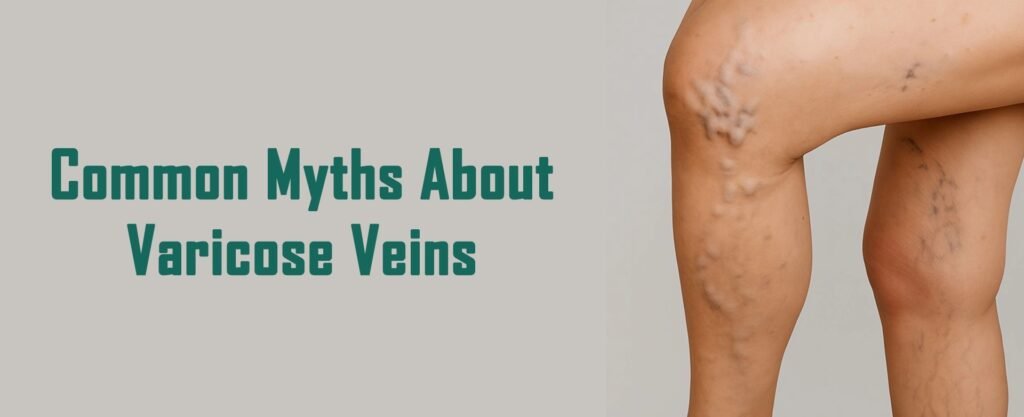
Varicose veins develop when blood flow in your veins is inefficient, causing the veins to dilate, twist, and become more visible. Common causes include genetics, prolonged standing or sitting, obesity, and pregnancy. While not all varicose veins are dangerous, paying attention to symptoms is important to prevent complications. Consulting a specialist for Varicose Veins Treatment in Ahmedabad can help identify the right approach and prevent potential issues before they worsen.
Typical signs that it might be time to seek treatment include:
- Swollen, twisted veins that are visible under the skin
- Leg pain or discomfort, especially after standing or walking
- Heaviness or fatigue in the legs
- Skin changes, such as redness or itching, around the affected veins
If these symptoms affect your quality of life, consulting a vascular surgeoncan help determine the best treatment plan for you. Early intervention often improves results and prevents further complications.
Who Needs Treatment?
Not all varicose veins require medical intervention. For some, the concern is purely cosmetic, with veins that are visible but cause no discomfort. However, medically significant varicose veins can lead to complications if left untreated. These include:
- Venous ulcers – open sores caused by poor blood circulation
- Blood clots – which can lead to deep vein thrombosis
- Chronic pain and swelling – affecting daily activities
For these reasons, it is crucial to seek advice from a vascular surgeon. A specialist can assess whether treatment is necessary and recommend the safest, most effective approach tailored to your condition.
New Non-Surgical Interventional Treatment Options for Varicose Veins
Advances in vascular care now allow for effective non-surgical treatment of varicose veins. These procedures are minimally invasive, often outpatient, and allow patients to return to daily life quickly. Here are the most widely used options today:
1. Endovenous Laser Therapy (EVLT)
EVLT uses targeted laser energy to close the faulty vein, redirecting blood flow to healthier veins nearby. This minimally invasive procedure requires only a small puncture, causing minimal pain and scarring. Patients usually experience a quick recovery within a few days, making it an efficient and convenient option for varicose veins treatment.
2. Radiofrequency Ablation (RFA)
RFA uses controlled heat to seal off problematic veins, effectively stopping the backward flow of blood. Performed on an outpatient basis, this procedure allows patients to resume daily activities almost immediately. Its high success rate, low downtime, and lasting results make RFA one of the most reliable non-surgical treatments for varicose veins.
3. Sclerotherapy
Sclerotherapy involves injecting a chemical solution into smaller or cosmetic varicose veins, causing them to collapse and gradually fade. It is ideal for spider veins or small veins and requires minimal invasiveness. While multiple sessions may be needed, the procedure is quick, safe, and highly effective for improving both the appearance and comfort of affected areas.
4. Compression Therapy & Lifestyle Measures
Support stockings, regular exercise, and elevating the legs help manage varicose vein symptoms and prevent progression. These measures reduce swelling, discomfort, and the formation of new veins over time. When combined with other treatments, compression therapy and lifestyle changes provide long-term relief and improve overall leg health.
5. VenaSeal (Medical Adhesive)
VenaSeal uses a medical adhesive to close larger veins safely and effectively, offering a minimally invasive alternative to surgery. Most cases are needle-free, reducing discomfort during the procedure. Patients benefit from a quick recovery, minimal pain, and long-term vein closure, making it a convenient and reliable treatment option.
6. Microphlebectomy
Microphlebectomy removes superficial varicose veins through tiny incisions, leaving minimal scarring while providing immediate improvement in appearance. This procedure can be combined with other non-surgical treatments for the best results. Patients usually return to normal activities quickly, enjoying both cosmetic and functional benefits.
Patients now have access to all these non-surgical treatments. Visiting a trusted vascular surgeon in Ahmedabad ensures that each option is evaluated for safety, suitability, and long-term outcomes.

Benefits of Choosing Non-Surgical Treatment
Non-surgical treatments for varicose veins have become popular due to their numerous advantages over traditional surgery. Key benefits include:
- Minimal pain and scarring: No large incisions are required, making the procedure gentle on the body.
- Quick return to daily activities: Most treatments are outpatient, so patients can resume normal life quickly.
- Lower risk of complications: Safer for patients with other health concerns compared to traditional surgery.
- Long-term effectiveness: When performed by a skilled vascular surgeon, the results are lasting.
- Reduced recovery time: Patients usually do not need an overnight stay.
- High patient satisfaction: Both cosmetic appearance and functional improvement are well appreciated.
- Safe and effective: Ideal for anyone seeking reliable varicose veins treatment.
These benefits make non-surgical options ideal for anyone looking for effective, safe varicose veins treatment.
How to Choose the Right Vascular Specialist
Selecting a qualified vascular specialist is crucial for successful treatment. Here’s what to consider:
- Check credentials and experience – board-certified surgeons with a focus on venous disease are preferred
- Ask about the latest treatment options offered – ensure they provide modern, minimally invasive techniques
- Look for patient guidance and pre/post-care support – quality care extends beyond the procedure
Seeking guidance from a qualified vascular surgeon helps create a treatment plan designed specifically for your condition. Individualized care and thorough assessment increase the chances of successful results and lower the likelihood of varicose veins returning.
Frequently Asked Questions (FAQ)
1. Are non-surgical treatments for varicose veins painful?
Procedures such as EVLT, RFA, and sclerotherapy are minimally invasive and typically use only local anesthesia. Most patients experience only slight discomfort at the treatment area, which is usually short-lived and mild.
2. How long does it take to recover after non-surgical treatment?
Recovery is usually quick. Many patients can resume daily activities within a day or two, depending on the procedure. Treatments like EVLT and RFA are outpatient procedures, so you can often return home the same day.
3. Can varicose veins come back after treatment?
While non-surgical treatments are highly effective, new veins can develop over time. Regular check-ups and lifestyle measures, such as compression stockings and exercise, can help prevent recurrence.
Conclusion
Non-surgical treatments have transformed varicose veins care, offering safer, faster, and less invasive alternatives to traditional surgery. With options like EVLT, RFA, sclerotherapy, and microphlebectomy, patients can enjoy relief with minimal downtime. At Dev Hospital, patients receive advanced varicose veins treatment with personalized care and the latest non-surgical techniques. If you notice swelling, pain, or visible veins, consulting a vascular specialist early can prevent complications and restore leg health effectively.
