
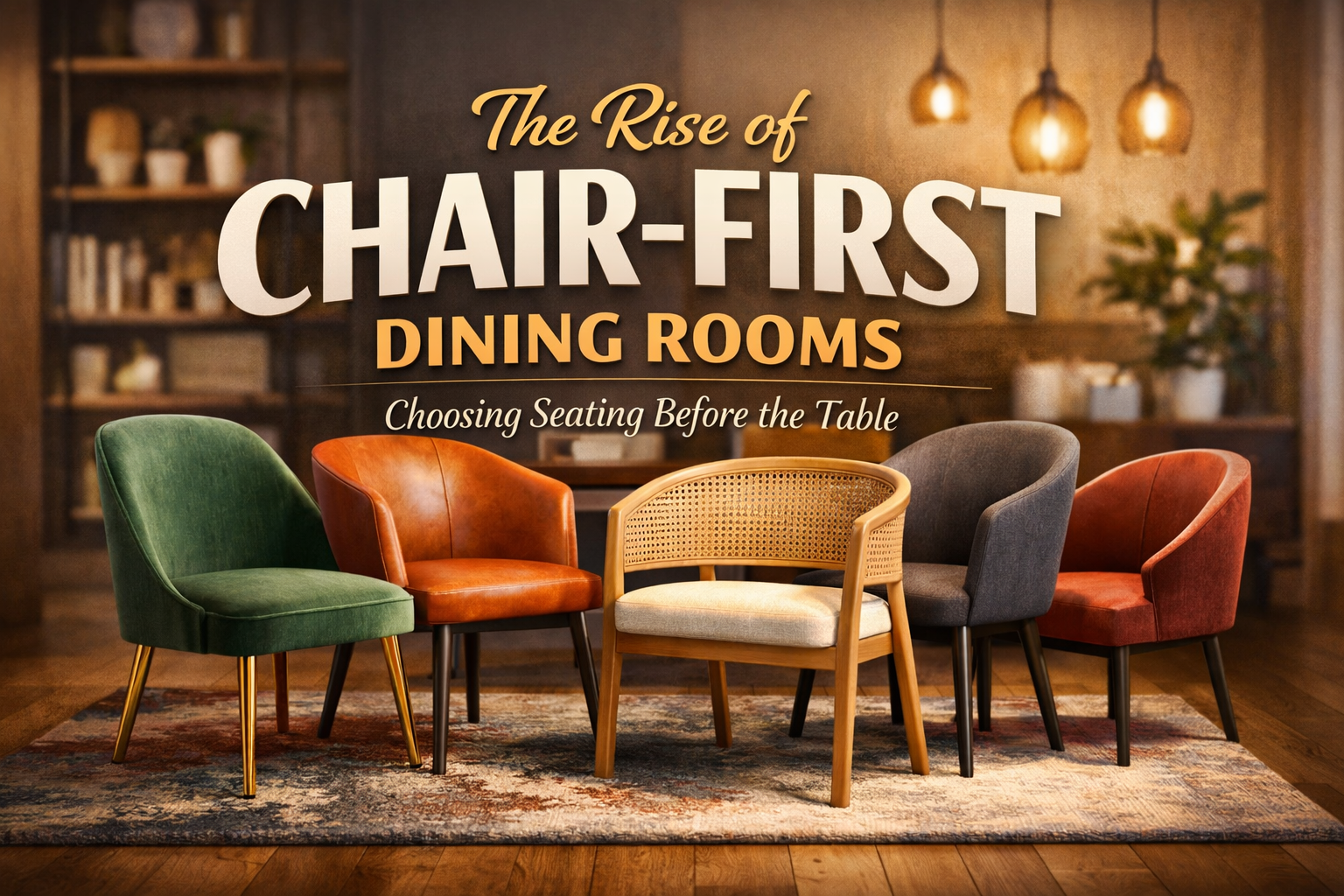
There was a time when dining rooms began with a table. The surface came first, the size dictated everything, and chairs were chosen afterward as supporting pieces. That rhythm has quietly changed. In homes today, the story often starts with seating. People now walk into furniture stores thinking about comfort before dimensions, posture before proportions, and how it feels to sit long before how it looks to serve. This shift has reshaped how dining room furniture is selected and lived with, and it reflects a deeper change in how dining rooms are actually used.
The modern dining room is rarely reserved for formal meals alone. It has become a place for long conversations, remote work afternoons, shared homework sessions, and slow weekend breakfasts. Because of this, chairs are no longer background pieces. They are the first point of contact, the most used element, and often the deciding factor in whether a dining space feels welcoming or avoided. Choosing seating first feels natural when the room is expected to support daily life rather than occasional events.
Dining Room Furniture That Begins With the Body
The rise of chair-first thinking mirrors a broader move toward furniture that responds to how people live rather than how rooms are staged. Dining chairs are no longer stiff or purely decorative. They have evolved to offer softer lines, better support, and materials that invite longer use. Upholstered seats, curved backs, and generous proportions are now common, even in spaces that once favored rigid forms.
When people test Dining Room Chairs, they often linger. They lean back, shift their weight, and imagine time passing. This moment rarely happens with tables. A table is assessed visually, but a chair is experienced physically. That experience stays with buyers and influences the rest of the room. Once seating feels right, the table becomes a companion piece rather than the star.
This approach also changes scale. Instead of fitting chairs under a fixed tabletop, homeowners now search for tables that respect the chair’s comfort zone. Legroom, clearance, and spacing become responses to seating rather than rules imposed by the table.
Comfort as a Design Value, Not a Compromise
Comfort was once treated as a trade-off in dining spaces. You could have style or you could have comfort, but rarely both. That idea has faded. Today’s dining chairs borrow ideas from lounge seating, with padded arms, supportive backs, and materials that soften the room visually. The influence is easy to trace from living spaces, where sofas and sectionals have long been judged by how they feel first.
This crossover explains why people shopping for Couches For sale often end up thinking differently about their dining chairs. Once comfort becomes non-negotiable in one room, it feels strange to accept less in another. Dining rooms are no longer isolated spaces with separate rules. They are part of the same daily rhythm as living rooms, kitchens, and family areas.
In smaller homes and open layouts, this connection feels even stronger. A dining chair may sit just steps away from a sofa, and the contrast becomes obvious. Chair-first dining rooms aim to close that gap, creating consistency in how seating supports the body across the home.
The Emotional Weight of Seating
Chairs carry emotional meaning that tables rarely do. People remember the chair where conversations lasted late into the night or where they sat through celebrations and difficult talks. A good chair becomes familiar. It develops presence. This emotional layer explains why seating choices often feel personal, even when tables remain neutral.
In many homes, dining chairs stay longer than tables. Tables are replaced for size changes, style updates, or moves, while chairs travel from one table to another. This longevity makes chair-first thinking practical as well as emotional. Investing in seating that feels right allows the dining room to evolve without starting over.
This mindset aligns with how people approach Furniture for sale more broadly. Buyers increasingly look for pieces that last through changing spaces rather than matching a single room setup. Chairs that stand on their own visually and physically fit easily into future layouts.
When Chairs Shape the Room’s Identity
A dining room’s character often comes from its seating. Chairs introduce texture, color, and form at eye level. They influence how light moves through the space and how heavy or light the room feels. A table may anchor the room, but chairs give it personality.
Wood chairs create warmth and familiarity. Upholstered chairs soften the room and add depth. Mixed seating, where different chair styles share the same table, feels relaxed and lived-in. These choices signal how the room is meant to be used. A formal chair arrangement suggests structure. A more varied setup suggests ease.
Chair-first dining rooms allow this identity to form naturally. Instead of forcing chairs to match a predetermined table style, the table adapts to the seating’s tone. This reversal often leads to more interesting spaces that feel personal rather than showroom-perfect.
Dining Spaces That Adapt to Modern Living
The rise of chair-first dining rooms also reflects how flexible homes have become. Dining rooms are no longer sealed off spaces. They blend into kitchens, living areas, and work zones. Seating needs to support this fluid use.
A dining chair may double as a desk chair during the day or extra seating during gatherings. This versatility mirrors trends seen in other furniture categories, such as Futon Sofa Beds, which exist to adapt rather than specialize. The dining room has adopted the same mindset, favoring pieces that move easily between roles.
When chairs are comfortable enough to support different activities, the dining room stays active throughout the day. This constant use strengthens the connection people feel to the space and justifies thoughtful seating choices.
Tables as Supporting Characters
In chair-first dining rooms, tables step into a quieter role. They provide surface, proportion, and balance, but they do not dictate the experience. This does not make tables less important. Instead, it allows them to be chosen with clarity.
A table selected after chairs often fits better. Its height aligns with seat comfort. Its base allows easy movement. Its material complements rather than competes. The result feels intentional without feeling designed.
This approach also opens the door to unconventional pairings. A modern table can sit comfortably with traditional chairs. A rustic table can support contemporary seating. The dining room becomes less about matching sets and more about harmony.
A Shift Reflected in Furniture Retail
Retail spaces and online collections have quietly adapted to this trend. Many shoppers now begin by browsing seating categories rather than complete dining sets. They compare chair silhouettes, fabrics, and comfort features before looking at tables. This behavior influences how dining room furniture is displayed and discussed.
Showrooms increasingly stage dining rooms around seating. Chairs are pulled out, angled, and layered to invite interaction. Tables fade into the background, doing their job without demanding attention. This presentation mirrors how people experience their own homes, reinforcing the chair-first mindset.
Living With Chair-First Choices Over Time
Chair-first dining rooms tend to age well. Because comfort remains consistent even as styles change, the space stays relevant. Chairs continue to feel good even when décor shifts. Tables can be replaced or refinished without disrupting the room’s core experience.
This longevity appeals to buyers who value stability over trends. It also aligns with a growing desire for thoughtful purchasing rather than constant replacement. When seating works, the room works.
Conclusion: Where Comfort Becomes the Constant
The rise of chair-first dining rooms is less about trend and more about awareness. It reflects how people actually use their homes and what they value in daily life. By starting with seating, dining rooms become spaces that support comfort, connection, and long-term use.
Chairs carry the experience. They hold the moments that make a dining room meaningful. Tables may frame the space, but seating defines how it feels to live there. In the end, choosing chairs first is not a design rule. It is a response to living fully in the space you already have.
FAQs
Why are people choosing dining chairs before tables now?
Because chairs affect comfort and daily use more directly. People want seating that feels right before building the rest of the room around it.
Can chair-first dining rooms still look cohesive?
Yes. When chairs set the tone, tables often fit more naturally instead of forcing a match.
Do upholstered dining chairs work for everyday use?
Many people prefer them because they support longer sitting and make dining rooms more usable throughout the day.
Is it okay to mix different dining chairs together?
Mixed seating often feels relaxed and personal, especially in homes that value comfort over formality.
Does this approach work in small dining spaces?
It can work well, since comfortable chairs encourage better use of limited space rather than avoiding it.
Are chair-first dining rooms more expensive to create?
Not necessarily. Investing in good seating can reduce the need to replace furniture frequently over time.
