
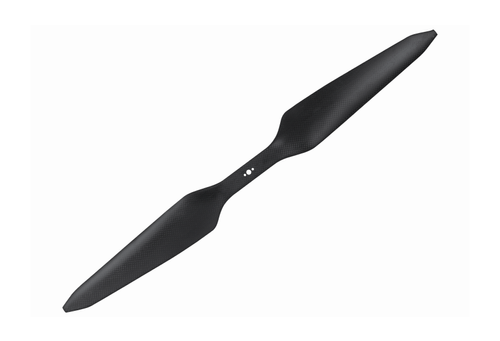
The aviation industry is on the verge of a thrilling transformation, fueled by technological breakthroughs and a growing commitment to sustainability. Central to this change is the air propeller, a vital component that powers both aircraft and drones. In this blog, we’ll explore the latest innovations in air propeller technology, highlighting the advantages of carbon fiber materials, eco-friendly manufacturing practices, and ways to enhance performance.
The Rise of Carbon Fiber in Air Propeller Design
Over the past few years, carbon fiber has truly revolutionized the aerospace sector. Renowned for its exceptional strength-to-weight ratio, carbon fiber offers compelling benefits compared to traditional materials like aluminum and steel. Its lightweight yet robust nature not only boosts the efficiency of air propellers but also elevates the overall performance of aircraft.
Why Carbon Fiber?
1. Enhanced Durability: Carbon fiber propellers resist fatigue and wear better than their metal counterparts, leading to longer lifespans and lower maintenance costs.
2. Weight Reduction: By significantly cutting down the weight of the propeller, carbon fiber helps improve fuel efficiency—a crucial factor for both manned and unmanned aircraft.
3. Corrosion Resistance: Unlike metals, carbon fiber can stand up to environmental challenges like moisture and chemicals, ensuring reliable performance over time.
These advantages make carbon fiber the go-to choice for aircraft manufacturers and UAV operators aiming for top-notch performance and efficiency.
Innovations in Propeller Design
Propeller design has evolved dramatically since the early days of flying. Today’s engineers harness cutting-edge computational tools and advances in materials science to create propellers that are not just more efficient but also quieter and more eco-friendly.
Key Innovations:
– Variable Pitch Propellers: These allow for real-time adjustments to blade angles, optimizing performance for varying flight conditions.
– Advanced Aerodynamics: With sophisticated modeling techniques, engineers can shape blades that minimize drag and maximize thrust.
– Noise Reduction Technologies: Innovations like serrated edges and specialized blade coatings are helping to cut down noise pollution—a growing concern in urban UAV operations.
Sustainability in Aircraft Manufacturing
As we become increasingly aware of our environmental footprint, the aerospace industry faces pressure to adopt greener practices. Manufacturing air propellers from carbon fiber is a significant step toward sustainability, aligning with global environmental goals.
Sustainable Manufacturing Practices:
– Recycling and Reuse: Carbon fiber materials can be recycled and repurposed, helping to reduce waste and conserve resources.
– Energy Efficiency: Producing carbon fiber components typically requires less energy than traditional materials.
– Reduced Emissions: By enhancing aircraft efficiency, carbon fiber propellers help lower carbon emissions during flight.
These practices not only benefit the planet but also boost the reputation of manufacturers who are committed to green technology.
Performance Optimization for UAVs and Drones
Unmanned Aerial Vehicles (UAVs) and drones are increasingly popular across various sectors, from agriculture to logistics. The performance of these devices hinges significantly on the efficiency of their propellers.
Optimizing UAV Performance:
– Increased Thrust-to-Weight Ratio: Carbon fiber propellers deliver greater thrust while keeping weight down, which is crucial for drones carrying heavy payloads.
– Extended Flight Time: Lighter propellers reduce energy consumption, allowing drones to fly for longer periods.
– Precision Control: Advanced propeller designs enhance maneuverability and stability, which are essential for tasks like aerial photography or surveying.
By honing in on these performance aspects, UAV operators can achieve better outcomes and unlock new capabilities for their drones.
Conclusion
The future of aviation is being reshaped by exciting advancements in air propeller technology. The shift toward carbon fiber materials, combined with innovative design techniques, is not only boosting performance but also fostering sustainability within the aerospace industry. For aircraft manufacturers, UAV operators, and drone enthusiasts alike, keeping up with these trends is crucial to staying competitive and responsible in an ever-evolving landscape.
As we continue to push the limits of what’s achievable, the humble air propeller remains a powerful symbol of human creativity and our unyielding drive for progress in aviation technology.
