

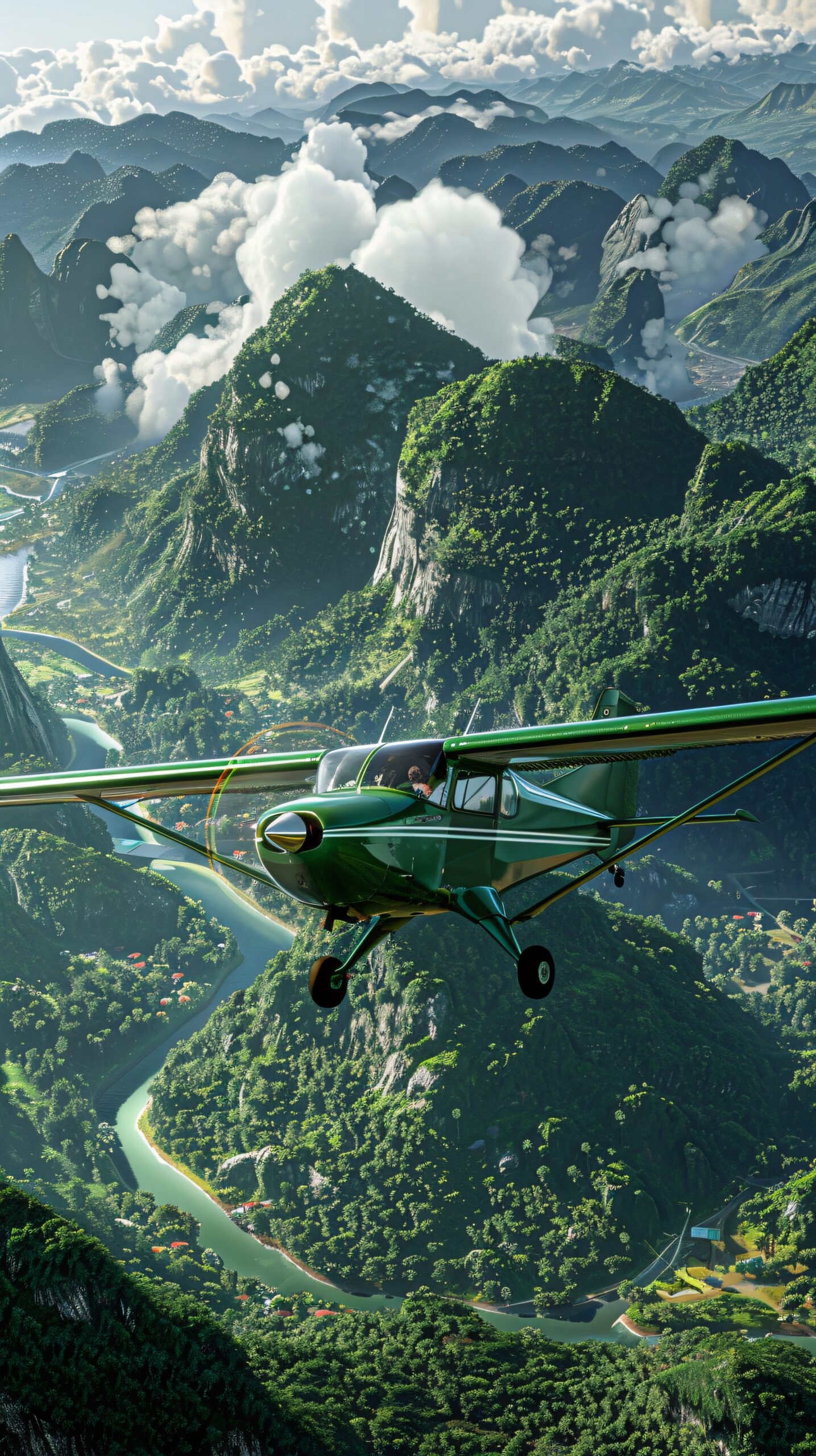
African safaris attract travelers who want to see wildlife in its natural setting. The first step in planning such a trip involves choosing the right airport. The choice of entry point affects travel time, access to national parks, and overall convenience. Africa has several key airports that serve as gateways to its most famous wildlife destinations. Each airport connects to specific regions and safari routes.
African Flying Safaris offer a practical way to move between national parks without long road journeys. These safaris use small aircraft to connect major wildlife areas, saving time and energy. Travelers who want to cover multiple parks in one trip often choose this option.
In countries like Kenya and Tanzania, flying safaris reduce travel time between destinations such as Maasai Mara, Serengeti, and Amboseli. Instead of spending hours on rough roads, travelers can reach remote lodges within a short flight. This allows more time for game drives and less time in transit.
Charter flights operate from major hubs like Nairobi’s Wilson Airport or Kilimanjaro International Airport. These flights land on small airstrips located close to safari lodges. Operators such as Cheetah Safaris coordinate these flights as part of tailored itineraries, ensuring smooth transfers between locations.
Flying safaris also provide aerial views of landscapes, including rivers, plains, and wildlife migration routes. These views add value to the overall travel experience. However, baggage limits apply, and travelers must follow strict weight restrictions due to aircraft size.
Major Airports for African Safari Destinations
Africa’s safari regions rely on several international airports. Each one connects to nearby national parks and reserves.
1. Jomo Kenyatta International Airport (Nairobi, Kenya)
Nairobi serves as a major gateway to East Africa. Travelers often land at Jomo Kenyatta International Airport before continuing to safari destinations.
From Nairobi, visitors can access:
- Maasai Mara National Reserve
- Amboseli National Park
- Lake Nakuru National Park
The city also has Wilson Airport, which handles domestic and charter flights to safari destinations. Many safari tours begin here, as it offers access to both road and air routes.
2. Kilimanjaro International Airport (Tanzania)
Kilimanjaro International Airport sits between Arusha and Moshi. It serves as a key entry point for safaris in northern Tanzania.
From this airport, travelers can reach:
- Serengeti National Park
- Ngorongoro Crater
- Tarangire National Park
Most safari operators arrange transfers from the airport to nearby lodges or bush airstrips. This airport works well for travelers who want to visit multiple parks in Tanzania.
3. O.R. Tambo International Airport (Johannesburg, South Africa)
Johannesburg’s O.R. Tambo International Airport ranks as the busiest airport in Africa. It connects travelers to many safari destinations across southern Africa.
Popular parks accessible from Johannesburg include:
- Kruger National Park
- Sabi Sands Game Reserve
- Madikwe Game Reserve
Travelers can either drive or take a short flight to nearby safari areas. This airport also connects to other countries such as Botswana, Zambia, and Zimbabwe.
4. Cape Town International Airport (South Africa)
Cape Town International Airport serves travelers interested in combining city visits with wildlife viewing.
From Cape Town, travelers can visit:
- Aquila Private Game Reserve
- Inverdoorn Game Reserve
Although it does not connect directly to major safari parks like Kruger, it serves as a starting point for southern region safaris.
5. Addis Ababa Bole International Airport (Ethiopia)
Addis Ababa functions as a central hub for East Africa. Ethiopian Airlines operates many international routes through this airport.
While Ethiopia is not a primary safari destination like Kenya or Tanzania, it offers access to unique parks such as:
- Simien Mountains National Park
- Bale Mountains National Park
Travelers often use Addis Ababa as a transit point for connecting flights across Africa.
6. Hosea Kutako International Airport (Windhoek, Namibia)
Namibia offers a different safari experience with desert landscapes and unique wildlife.
From Windhoek, travelers can visit:
- Etosha National Park
- Namib-Naukluft Park
- Skeleton Coast
The country works well for self-drive safaris, with well-maintained roads and clear signage.
7. Sir Seretse Khama International Airport (Gaborone, Botswana)
Botswana focuses on high-quality safari experiences with limited visitor numbers. Travelers land in Gaborone and continue to key destinations.
From here, visitors can access:
- Okavango Delta
- Chobe National Park
Light aircraft transfers often connect travelers to remote lodges in the Okavango Delta.
Choosing the Right Airport
Selecting the right airport depends on the safari itinerary. Travelers should consider:
- Proximity to the desired national park
- Availability of domestic flights
- Travel time between destinations
- Type of safari (luxury, budget, or private)
For instance, those visiting East Africa should consider Nairobi or Kilimanjaro. For southern Africa, Johannesburg provides the best access.
Private Safaris give travelers full control over their itinerary, travel pace, and activities. These safaris suit families, couples, and small groups who prefer a personalized experience.
With private safaris, travelers can choose their departure airport based on their preferred route. Companies like Cheetah Safaris design custom itineraries that include airport transfers, lodge bookings, and guided game drives.
Private safaris allow flexibility in timing. Travelers can adjust schedules based on wildlife movement or personal preferences. For example, visitors may spend more time in areas with active animal sightings or extend their stay at a specific lodge.
Private safaris also offer dedicated guides. These guides provide detailed knowledge of animal behavior, park rules, and safe viewing practices. This ensures a more focused and informative experience compared to group tours.
In terms of travel logistics, private safaris often include charter flights. These flights connect travelers directly to remote parks, reducing long drives. Air transfers also allow access to less crowded areas.
Lodges and camps in private safaris often sit within private conservancies. These areas limit visitor numbers and provide exclusive game viewing opportunities. This setup enhances wildlife encounters and provides a quieter environment.
Private safaris typically start from major airports such as Nairobi, Kilimanjaro, or Johannesburg. From there, travelers either take domestic flights or road transfers to their final destination.
Practical Travel Tips
Travelers should keep a few key points in mind when flying into Africa for a safari:
- Check visa requirements before booking flights
- Confirm baggage limits for domestic flights
- Arrange airport transfers in advance
- Book flights that align with safari schedules
- Allow buffer time for flight delays
Airlines operating in Africa may adjust schedules due to weather or operational conditions. Planning ahead helps avoid disruptions.
Conclusion
Africa offers several entry points for safari travelers, each connecting to unique wildlife destinations. Nairobi and Kilimanjaro serve East Africa, while Johannesburg and Windhoek support southern regions. Choosing the right airport depends on the planned itinerary and preferred travel style.
African Flying Safaris provide an efficient way to connect multiple parks, while Private Safaris offer flexibility and control over the entire journey. Operators such as Cheetah Safaris help travelers coordinate flights, transfers, and accommodations, ensuring a well-organized trip.
FAQs
1. Which airport is best for an African safari?
The best airport depends on the destination. Nairobi suits Kenya safaris, Kilimanjaro works well for Tanzania, and Johannesburg supports South Africa trips.
2. Can I fly directly to safari parks in Africa?
Yes, many safari parks have nearby airstrips for small aircraft. Domestic flights connect major airports to these locations.
3. Are flying safaris worth it?
Flying safaris save time and reduce travel fatigue. They also allow access to remote parks and provide aerial views of the landscape.
4. What should I consider when booking flights for a safari?
Consider baggage limits, flight schedules, airport proximity, and transfer arrangements.
5. Do private safaris include flights?
Private safaris often include charter or domestic flights, depending on the itinerary and destination.
