

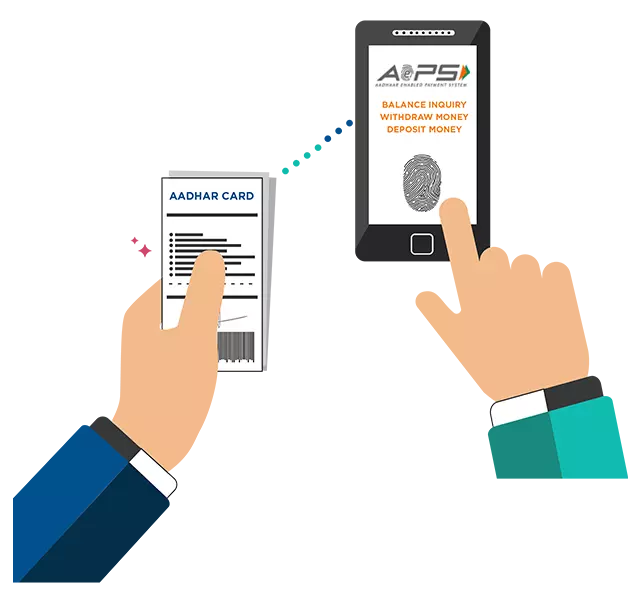
The Aadhaar Enabled Payment System has changed how people in India do their banking and financial activities online. The Aadhaar Enabled Payment System (AEPS) was created to make banking easier to get to and to help more people get access to money. It lets people use their Aadhaar number and biometric identification to do basic banking tasks. This method is very important in rural and semi-urban areas where there may not be a lot of traditional banking infrastructure.
Aadhaar Enabled Payment System API solutions and AEPS software are being used by more and more companies and financial service providers to make banking easier for customers, make digital financial services bigger, and meet the growing demand for safe digital transactions.
What is a payment system that works with Aadhaar?
The Aadhaar Enabled Payment System is a banking system that lets people use their Aadhaar numbers to get to basic financial services. Users can do things like withdraw cash, check their balance, deposit cash, get mini-statements and move funds without using debit cards or going to the bank in person.
The Aadhaar number of a customer is linked to their bank account so that AEPS can work. Biometric identification is used to make sure that transactions are real, which makes financial access safe and reliable. This technology is a big part of making digital banking services available in remote places and making it easier for people to get money.
Many businesses, including banks, fintech firms, stores, and digital service providers that offer banking services through AEPS-enabled platforms, use the method.
Why Aadhaar Enabled Payment System API Is Important
In order for companies and financial platforms to connect to AEPS services, they need to use the Aadhaar Enabled Payment System API. Through API integration, businesses can add safe Aadhaar-based banking features to their online apps or sites for services.
Biometric authentication, account verification, transaction handling, and financial reporting can all be done automatically with AEPS APIs. They let fintech companies and service providers make digital banking solutions that can be scaled up while keeping transaction security and operating efficiency high.
Real-time transaction handling is one of the best things about an AEPS API. Authorised AEPS agents or digital service centers give customers quick access to banking services. This makes things easier for users and helps businesses give more financial services.
Secure API integration also helps ensure that financial standards and rules governing digital transactions are followed, making it an important part of modern fintech infrastructure.
The part that AEPS software plays in online banking
AEPS Software is made to handle and control Aadhaar-based banking services quickly and easily. Bank employees, payment service providers, and online stores often use these software solutions to make sure that customer activities are safe.
Biometric device integration, transaction tracking, account management, reporting systems, wallet integration, and multi-service dashboards are some of the features that modern AEPS software has. A lot of platforms also let you reach them from your phone, so agents can easily handle transactions from different places.
The program helps companies offer quick and dependable banking services while making operations simpler. Through automated records and real-time monitoring, it also makes things clearer and easier to handle transactions.
Conclusion
With Aadhaar authentication, the Aadhaar Enabled Payment System has become an important part of India’s digital financial environment. It makes it easier to use banking services. Businesses can offer safe, quick, and expandable online banking services to people in cities and rural areas with the help of the Aadhaar Enabled Payment System API interface and advanced AEPS software. As financial technology advances, AEPS-based solutions will likely play an even bigger role in making digital payments, getting money, and banking easier for everyone in the country.
