

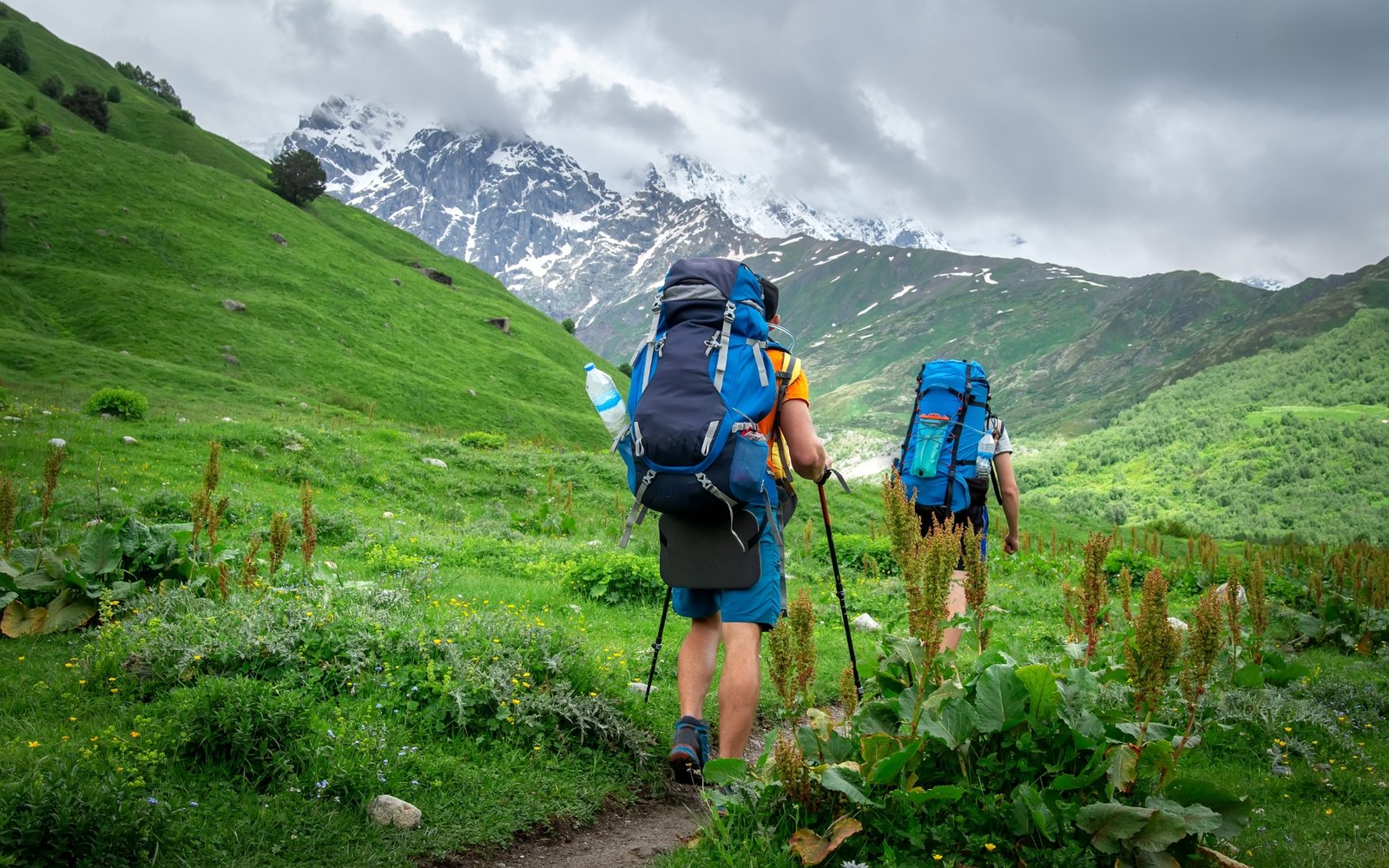
An activity like trekking relies heavily on timing. Bhutan is known for having sharp changes in altitude. This affects the weather more than anything else. A trail that feels warm and pleasant in the south may be cold or snow-covered in the north at the same time.
The weather changes quickly throughout the kingdom. This makes trekking in Bhutan a bit confusing. That is why knowing how these climate zones work will help you plan better.
How Bhutan’s Climate Actually Works
Most people think that Bhutan is a small country. So, it must be obvious that the climate stays the same. But when they actually travel, they realise that the weather climate differs a lot as they trek. Here’s a simple overview:
- The south stays warm and humid.
- Central Bhutan feels mild most of the year.
- The north stays cold and snowy for long periods.
Rain, temperature, and trail conditions follow altitude. Not just the seasons alone. Because of this, one region may be perfect for trekking while another is closed.
Spring in Bhutan: March to May
Spring starts in March and ends in May. Days slowly warm up, and snow begins to melt in many areas. Trails reopen one by one.
In southern Bhutan, spring already feels hot. Places near Phuentsholing can touch 30 degrees or more. The air feels heavy by April.
The far north remains cold. Some passes still stay blocked early in spring. Rain starts showing up toward late spring. Thunderstorms are common in lower regions.
Spring works best for:
- Valley walks
- Mid-altitude treks
- Flower-filled trails
Rhododendrons bloom during this season. Hillsides turn red and pink. Routes like Druk Path, Dagala, Haa Valley, and parts of Gasa and Laya are popular. Some higher sections may open late.
Summer and Monsoon: June to September
Summer means rain in Bhutan, and a lot of it. The monsoon comes in June. But the months of July and August receive the most rain. Trails become muddy, and streams rise fast. Landslides are also common.
Rain often falls later in the day. Some days are wet from morning to night, so you cannot trek at all. This makes trekking during peak monsoon months very risky. The visibility drops, and paths wash out. Accidents become more likely. High-altitude treks are usually not allowed during this time.
September comes between the seasons. The rain reduces, but the weather stays unpredictable. Some treks reopen late in the month if conditions improve.
During the monsoon:
- Low-altitude routes may work with caution
- Mountain treks stay unsafe
- Daily weather checks are needed
Summer suits cultural visits better than long treks.
Autumn in Bhutan: October to November
Autumn is the best season for trekking in Bhutan. It is also the busiest as many tourists fly in to enjoy the beautiful combination of Fall and trekking. The rain clears by early October. Skies turn blue, and the air feels sharp and clean.
Southern Bhutan stays warm during the day. Central regions feel cool and dry. Nights in the mountains can drop close to freezing. Snow usually has not arrived yet in most places. Passes remain open. Trails stay firm and dry.
Mountain views look clear during this time. This is why autumn treks sell out fast. Autumn suits:
- Long treks
- High passes
- Northern routes
Popular autumn routes include Bumthang and Jomolhari.
Winter in Bhutan: December to February
Winter brings snow to the north. High passes close and some routes shut completely until spring. But the lower regions might remain open depending on the condition.
Southern Bhutan stays mild. Day temperatures hover around the low twenties. Nights feel cool but manageable. Central Bhutan gets cold mornings and evenings. The sun during the day makes walking comfortable.
Winter trekking works well in:
- Punakha region
- Gangtey Valley
- Southern valleys
Crowds thin out in winter. Trails feel quiet. Views stay clear on sunny days. Days are shorter, but the air feels fresh.
Best Times For Trekking in Bhutan
Let us look at the best times to visit routes for trekking, region by region:
High-Altitude Routes
Mid-October to mid-December is the best time to visit trekking spots at higher altitudes. Late March to early May also works as a good time period. The atmosphere is perfect for trekking in these periods.
Low-Altitude Routes
November to February works as a good time period to trek in the low-lying areas. You can also visit from March to May.
Months to Avoid
You should try to avoid:
- June to August
- Early September, if the rains continue
What to Pack for Trekking in Bhutan
Packing stays simple if you plan by altitude:
- For Cold Areas and Winter
- Warm jacket
- Gloves and a wool cap
- Good hiking boots
- Sunglasses and sunscreen
- For Spring and Autumn
- Light jacket
- Comfortable walking clothes
- Rain layer
- Strong footwear
- For Summer
- Light clothing
- Waterproof jacket
- Extra socks
- Trekking poles
Sun protection matters year-round. The sun feels strong at higher elevations even in winter. So it is better to carry good sunscreen regardless of the altitude.
Conclusion
Bhutan allows trekking across many seasons, but not in the same places. Autumn suits high mountains, and spring fits valleys and mid-level routes. The winters are best for the lower regions. Good planning will help you save time and trouble.
Looking for a tour operator to go trekking in Bhutan? Visit Bhutan Travel Now and explore their style of creative tourism.
