

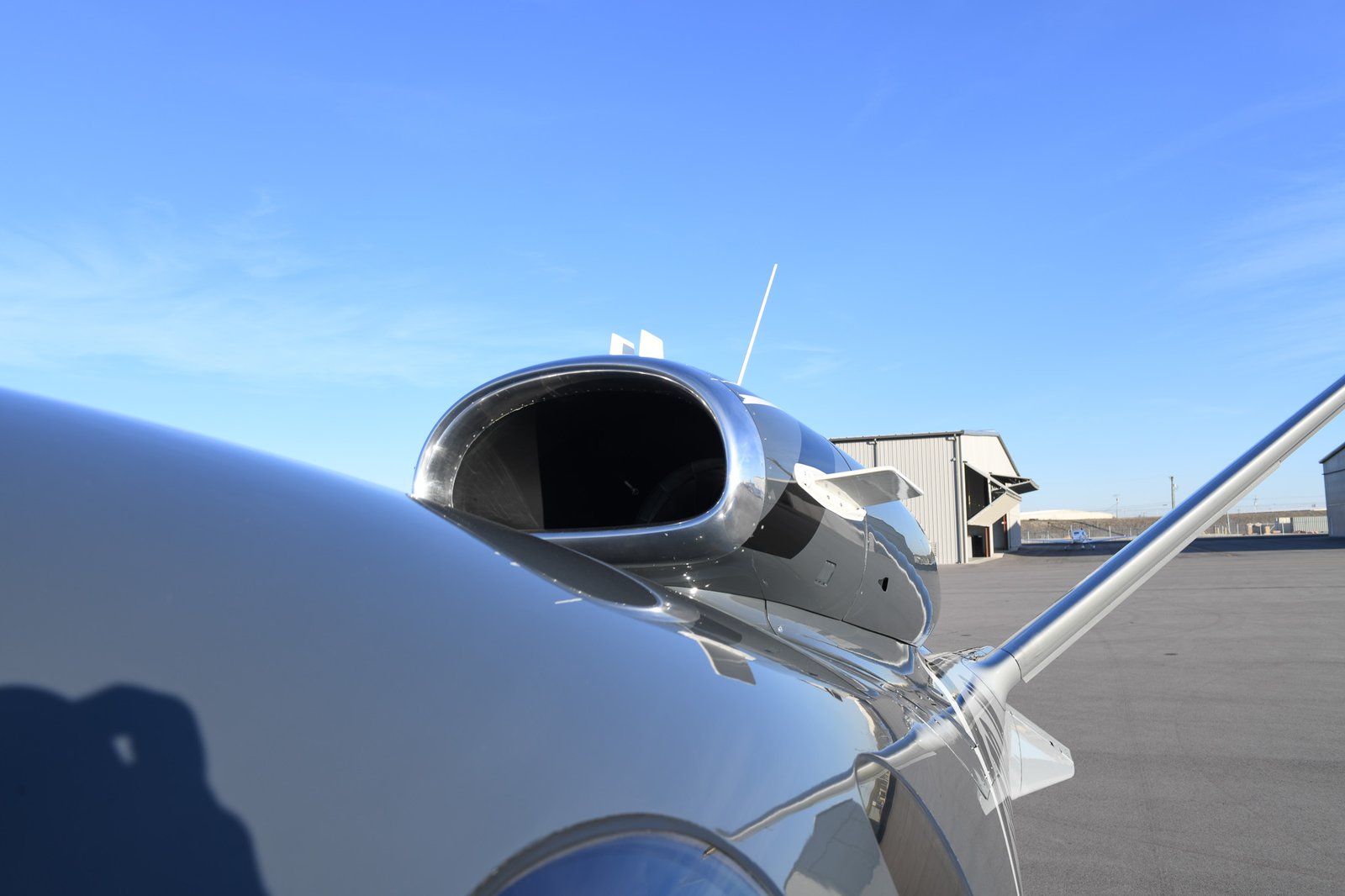
The Cirrus Vision Jet (SF50) represents a new era in personal and business aviation. It features a single-engine, very light jet (VLJ) designed to combine safety, performance, and simplicity in a jet platform. For pilots transitioning from piston aircraft, turboprops, or even light jets, the Vision Jet offers advanced avionics, a pressurized cabin, and unique safety features, including the Cirrus Airframe Parachute System (CAPS). Cirrus Vision Jet Transition Training for non-instrument-rated pilots who are new to flying a Cirrus aircraft. The training usually consists of approximately 9 hours of on-ground instruction and 10 hours of flight instruction. This course can be accomplished in three consecutive days or six 1/2-day lessons. Why Transition Training Is Essential
The Cirrus SF50 is equipped with the latest in aviation technology. Transition training helps trainees to get hands-on experience with modern avionics. It enhances the knowledge as well as confidence in real-world flying. The SF50 is adorned with a sophisticated avionics suite, which simplifies the flight experience while offering robust data for thorough analysis. Even experienced pilots face challenges when moving to a single-engine jet like the Vision Jet. I. Mastering such a system during training ensures the pilot gets a competitive edge for entering the aviation field. Moreover, pilots must have an understanding of technologies to stay competitive in the ever-evolving aviation industry.
Unlike multi-engine turboprops or piston aircraft, the Vision Jet has the following features:
- It has a single-engine turbine, which requires careful attention to power management and emergency procedures.
- Its pressurized cabin requires an understanding of altitude considerations not present in most light aircraft.
- A Garmin Perspective Touch avionics suite with integrated autopilot, envelope protection, and synthetic vision
- A unique wing and fuselage configuration, affecting handling and stall characteristics
Transition training ensures pilots are competent in these areas, reducing risk and enhancing confidence. It also meets insurance requirements, as many underwriters require completion of a factory-approved transition course or training with a Cirrus Standardized Instructor Pilot (CSIP).
Core Components of Cirrus Vision Jet Transition Training
Ground School
It covers the systems, performance, and operational procedures unique to the Vision Jet. Some of the topics covered here are
- Engine operations, power settings, and fuel management
- Electrical and hydraulic systems
- Flight planning, weight and balance, and performance charts
- Emergency procedures, including CAPS deployment and single-engine operations at altitude
Simulator or Procedural Training
While the Vision Jet is designed for simplicity, simulation provides a safe environment to practice:
- Abnormal procedures and emergency scenarios
- Autopilot and envelope protection responses
- Approach, departure, and missed approach procedures
- Many transition programs incorporate a Level D or Cirrus-approved simulator, allowing repeated practice without risk to the aircraft. Flight Training with a CSIP
- Actual flight training is conducted with a Cirrus Standardized Instructor Pilot (CSIP) or authorized mentor. Key flight objectives include:
- Takeoffs, climbs, and descents under varying conditions
- Jet-specific maneuvering and handling at different altitudes
- Emergency scenarios, such as engine failure, electrical faults, or pressurization issues
CAPS demonstration and deployment briefing
This hands-on experience builds confidence, ensuring pilots can operate safely under real-world conditions.
Recurrent and Proficiency Training
- Transition training is not a one-time event. Maintaining proficiency in the Vision Jet requires ongoing practice:
- Regular recurrent training, typically annually or every 12–18 months
Simulator sessions to rehearse emergency procedures
- Practice flights with an instructor to maintain autopilot, navigation, and handling skills.
- Cirrus recommends that even experienced pilots should undergo complete transition recurrent flights. It helps them to stay updated with avionics, envelope protections, and jet handling nuances.
Insurance and Operational Benefits
- Completing Vision Jet transition training benefits both safety and operational logistics:
- Many insurers require training for coverage eligibility and may offer lower premiums for CSIP-certified pilots.
- Proper training ensures compliance with FAA regulations and manufacturer recommendations.
- Pilots gain confidence in flight planning, weather evaluation, and jet handling, which reduces the likelihood of operational mishaps.
Selecting the Right Training Provider
Selecting a Cirrus-approved training provider is critical. Look for:
- CSIPs or flight schools authorized by Cirrus
- Experienced instructors with Vision Jet flight hours
- Access to aircraft for both training and practical experience
- Structured transition programs that combine ground, simulator, and flight training, Centre Instructors (TCIs).
A professional Cirrus Vision Jet Transition Training program ensures pilots complete training safely, efficiently, and confidently.
Transitioning to the Cirrus Vision Jet is an exciting opportunity for private and business pilots, but it requires proper preparation. Comprehensive training—from ground school to flight with a CSIP—ensures new owners gain the skills, confidence, and knowledge needed to operate their aircraft safely. By investing in professional Vision Jet transition training, pilots can enjoy the unique performance, comfort, and advanced safety features of the SF50 while minimizing risk and maximizing the value of their investment.
