

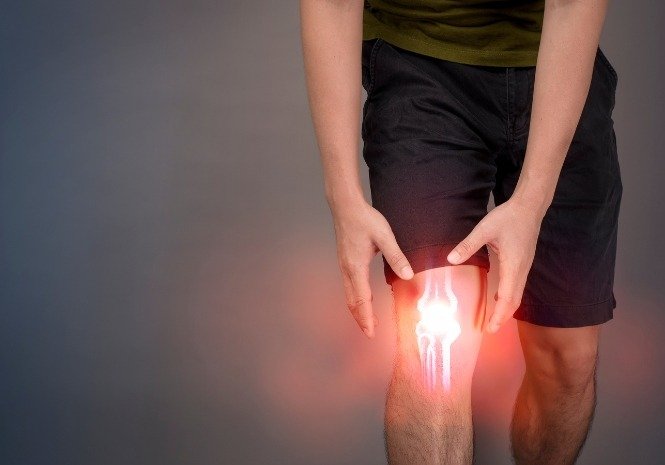
IImagine waking up with a slight knee pain after a morning jog, thinking it’s just a minor strain. By evening, the discomfort worsens, and you can barely put weight on your leg. Such situations highlight how orthopaedic emergencies require quick and precise decisions. Unlike regular aches, these injuries can escalate rapidly if ignored. This blog discusses common orthopaedic emergencies, the critical warning signs to watch for, immediate steps to take, and how timely professional care can prevent complications and support faster recovery.
Also Read: How Rental Event Robots Can Elevate Your Entire Event Experience
Why Orthopaedic Emergencies Are Different From Regular Injuries
Orthopaedic emergencies are not like regular injuries—they can deteriorate fast if ignored. A small fracture or ligament tear can worsen within hours, potentially causing long-term issues or limited mobility. Quick recognition and immediate care are essential to prevent complications and ensure proper recovery.
Access to specialized care can make all the difference. Centres such as the best knee hospital in Ahmedabad have experienced trauma teams and advanced equipment to handle urgent cases. Prompt treatment at these facilities reduces risks and helps patients regain mobility more quickly.
Critical Signs You Shouldn’t Ignore in Orthopaedic Injuries
Use this simple checklist to spot when a minor-looking injury may actually require urgent medical attention:
- Sudden inability to stand or walk
- Visible deformity of the limb
- Rapid swelling around the injured area
- Numbness, tingling, or loss of sensation
- Hearing a loud pop during the injury
- Continuous bleeding around a suspected fracture
- Severe joint instability
Ignoring any of these signs can increase the risk of long-term disability.
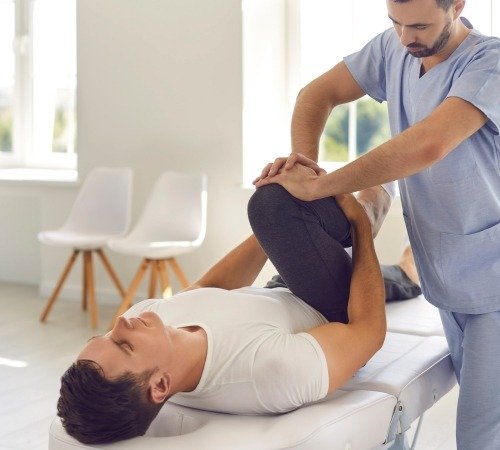
Common Orthopaedic Emergencies You Should NEVER Ignore
Certain orthopaedic injuries demand urgent attention, as delaying care can lead to severe complications, long-term pain, or permanent mobility issues.
1. Open Fractures
An open fracture exposes the bone, making infection a serious concern. Immediate immobilisation and hospital care are crucial.
2. Shoulder or Knee Dislocations
Dislocations can damage surrounding nerves and blood vessels. Quick intervention by experts, like the best orthopedic surgeon, ensures minimal long-term damage.
3. ACL/PCL Tears
Ligament tears require prompt diagnosis. Early treatment prevents chronic instability and a long recovery. Centres such as the best knee hospital provide accurate imaging and expert care.
4. Hip Fractures in the Elderly
Hip fractures can lead to life-threatening complications in older adults if not treated within the first 48 hours. Timely surgery and rehabilitation are critical.
5. Severe Ankle Sprains Masking Fractures
Not all sprains are simple. X-rays are necessary to rule out fractures and prevent long-term mobility issues.
6. Spinal Trauma
Spinal injuries demand absolute care. Any movement before professional support can worsen nerve damage.
Common Orthopaedic Emergencies Urgency Level
| Orthopaedic Emergency | Urgency Level | Immediate Action |
| Open Fractures | High | Immobilize, control bleeding, and rush to the hospital |
| Shoulder/Knee Dislocation | High | Do not move the joint, stabilise, urgent hospital care |
| ACL/PCL Tear | Medium-High | Avoid weight-bearing, get imaging within 24–48 hrs |
| Hip Fracture (Elderly) | High | Immobilise, urgent transport, hospital care within 48 hrs |
| Severe Ankle Sprain | Medium | Ice, elevate, avoid weight, get X-ray |
| Spinal Trauma | Very High | Do not move, stabilize, call emergency services |
Immediate Steps to Take Before You Reach the Hospital
Taking the right immediate actions before reaching a hospital can prevent further injury, reduce pain, and improve recovery outcomes in orthopaedic emergencies.
- Don’t move the injured area unnecessarily
- Immobilise the affected limb using splints or bandages
- Apply ice packs correctly to reduce swelling
- Avoid putting weight on the injured limb
- Elevate the injury if there is swelling
- Never attempt to “fix” alignment
- Arrange safe transport
- Document the incident clearly
- Reach the hospital promptly
- Carry any old medical records or X-rays
Following these steps reduces further injury and speeds recovery once you reach the hospital.
How to Find the Best Emergency Orthopedic Care in Ahmedabad
- What Makes a Hospital Reliable: Look for trauma teams available 24×7, quick imaging facilities, and orthopaedic specialists trained for emergencies.
- Focus on Reputed Centres: Hospitals recognized as the best knee hospitals ensure rapid diagnosis, expert care, and advanced treatment options.
- Experience of Surgeons Matters: The skill of the best orthopedic surgeon in Ahmedabad can make a huge difference in both immediate recovery and long-term mobility.
- Choosing the Right Facility: Consider location, response time, availability of specialized equipment, and staff experience. A patient checklist can help you select the most suitable emergency ortho unit during a stressful situation.
Why Choosing the Right Orthopaedic Specialist Can Save You Months of Pain
Orthopaedic emergencies, skill, and experience matter far more than routine care. The right specialist can accurately diagnose injuries and stabilise fractures or ligament tears, which significantly reduces recovery time and prevents long-term complications. Quick and precise treatment often determines how smoothly and quickly patients regain mobility.
Advanced technologies also play a key role in improving outcomes. Procedures like image-guided surgery or robotic-assisted operations allow surgeons to work with higher precision, reducing surgical risks and supporting faster rehabilitation. Choosing an experienced orthopaedic specialist ensures safer treatment and better overall results.
Smart Emergencies Habits That Lower Your Risk
While accidents can happen, adopting certain habits can significantly reduce the risk of serious orthopaedic injuries. Some simple but effective precautions include:
- Always warm up properly before any exercise or physical activity.
- Keep your home environment safe by removing tripping hazards.
- Include strength training to support and stabilize your joints.
- Avoid risky or sudden movements, particularly during sports.
- Wear appropriate footwear suitable for the activity.
Following these habits helps prevent minor injuries from turning into emergencies and keeps your joints healthier in the long term.
FAQ
Q1: What counts as an orthopaedic emergency?
A1: Fractures, dislocations, severe ligament tears, hip injuries, and spinal trauma are urgent injuries needing immediate care.
Q2: How fast should I see a doctor?
A2: Seek medical attention immediately if there’s severe pain, swelling, deformity, numbness, or inability to bear weight.
Q3: What first aid can I do before the hospital?
A3: Immobilize the injury, apply ice, elevate if possible, avoid weight-bearing, and arrange safe transport.
Conclusion
Orthopaedic emergencies can happen unexpectedly, and timely action is crucial to avoid serious complications. Recognizing the warning signs, immobilising the injury, and seeking immediate professional care can significantly improve recovery outcomes. Simple first-aid steps before reaching the hospital, combined with swift medical intervention, often make the difference between a full recovery and long-term mobility issues. With guidance from experts like Dr. Meet Mehta, injuries can be managed safely, reducing pain, speeding healing, and protecting your overall health and quality of life.
