

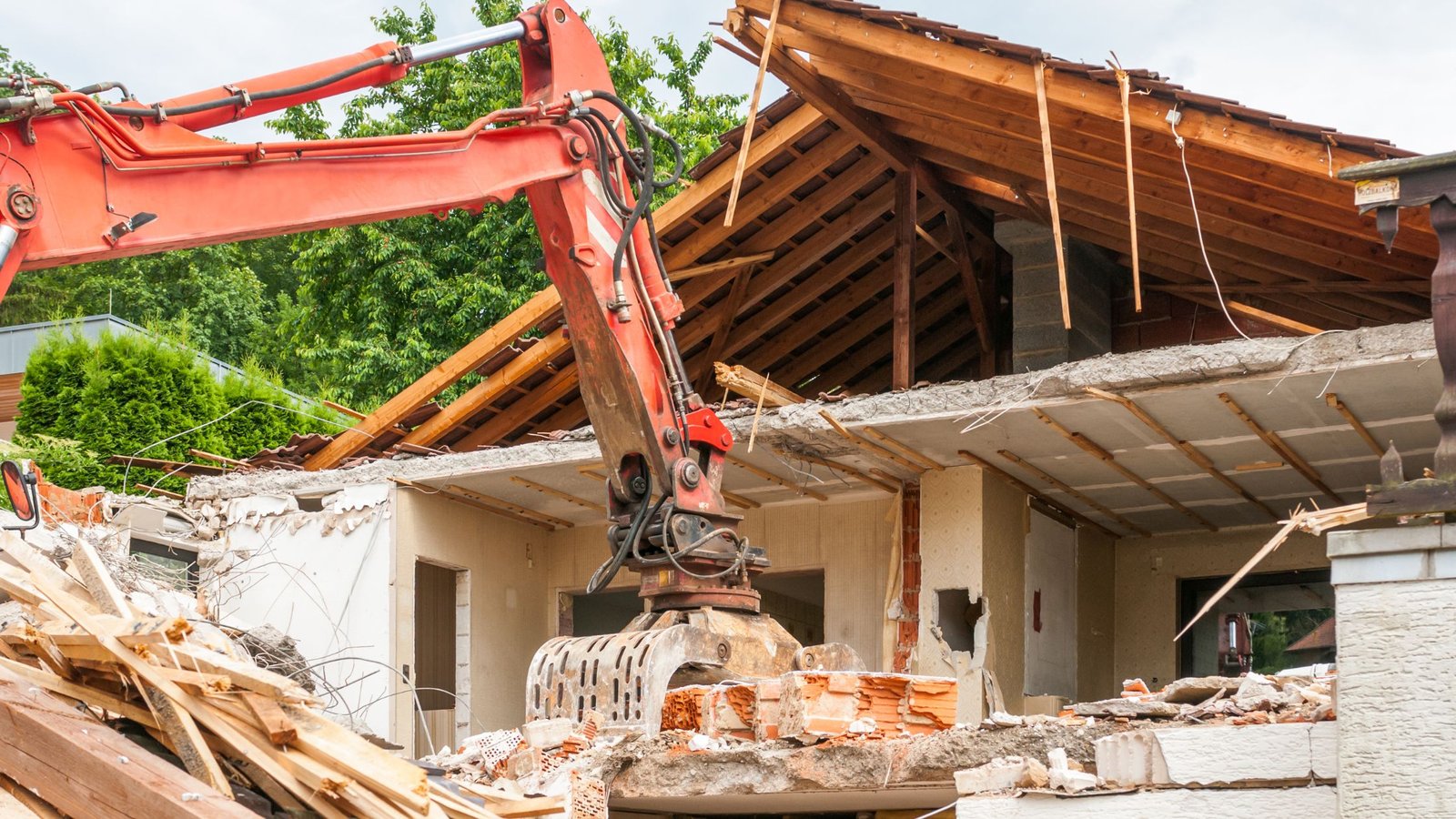
Commercial demolition projects are complex undertakings that require careful planning, expert execution, and, most importantly, a well-thought-out budget. Whether you are tearing down an old office building, a warehouse, or a retail space, the costs associated with demolition can vary significantly. Understanding the factors that influence these costs is crucial for ensuring that your project stays within budget while maintaining safety and compliance standards. This article will explore the key cost factors that affect commercial demolition projects and provide insights on how to manage them effectively.
Type and Size of the Structure
One of the most significant factors affecting the cost of a commercial demolition project is the type and size of the building. Larger buildings naturally require more labor, machinery, and time to dismantle. For instance, a single-story retail space is considerably less expensive to demolish than a multi-story office building with reinforced concrete or steel structures.
Additionally, the complexity of the structure plays a role. Buildings with intricate architectural designs, heavy load-bearing walls, or mixed-use spaces often require specialized demolition strategies, which can drive up costs. Choosing experienced demolition contractors familiar with complex structures can help ensure that the process is efficient and cost-effective.
Location and Accessibility
The location and accessibility of a commercial site are crucial considerations for demolition budgeting. Urban areas often present challenges that rural or suburban sites do not. For example, demolition in a densely populated city may require traffic control, street closures, and additional safety measures to protect nearby buildings and pedestrians.
Limited access to the site can also increase costs. Narrow streets, overhead power lines, or underground utilities can make it difficult to bring in large machinery or remove debris efficiently. In such cases, contractors may need to use smaller, specialized equipment, which often comes at a higher price. Experienced demolition contractors can assess these challenges early on and provide solutions to minimize additional costs.
Permits and Regulatory Requirements
Before any demolition work begins, obtaining the necessary permits is essential. Local authorities typically require permits to ensure that demolition projects comply with safety, environmental, and zoning regulations. Permit fees vary depending on the location, size of the project, and type of demolition being performed.
In addition to basic permits, some projects may need special approvals for handling hazardous materials, noise restrictions, or working during specific hours. Non-compliance with regulations can result in fines, project delays, and increased costs. Engaging professional demolition services that are familiar with local regulations can help streamline the permit process and avoid costly mistakes.
Type of Demolition Method
The method of demolition selected for a project significantly impacts the overall cost. The main types of demolition include:
- Manual Demolition: Labor-intensive and suitable for small buildings or areas where machinery cannot access.
- Mechanical Demolition: Utilizes heavy equipment such as excavators and bulldozers to speed up the process.
- Implosion: Uses controlled explosives for large structures, which requires expert planning and permits.
While manual demolition might save money on equipment, it typically requires more labor hours, increasing overall labor costs. Mechanical demolition is faster but can be expensive due to machinery rental and operation costs. Implosion, while highly efficient for very large buildings, demands specialized expertise and permits, making it one of the costliest options. Hiring reliable demolition services ensures that the method chosen is both safe and cost-effective.
Hazardous Material Removal
Many commercial buildings contain hazardous materials such as asbestos, lead paint, or mold. Proper handling and disposal of these materials are not optional—they are legal requirements. The cost of removing hazardous materials depends on their type, quantity, and required safety procedures.
Specialized contractors may be needed to safely remove and dispose of these substances, adding to the overall project cost. While it may be tempting to cut corners, failing to properly handle hazardous materials can result in significant legal and financial consequences. Engaging professional demolition contractors experienced in hazardous material removal is essential for compliance and safety.
Waste Disposal and Recycling
After demolition, the removal and disposal of debris is a significant cost factor. Debris must be sorted, transported, and disposed of according to local regulations. Landfill fees can be expensive, especially for large-scale commercial projects.
However, recycling can help offset some of these costs. Many materials, including metals, concrete, and wood, can be recycled or repurposed. Recycling not only reduces waste but may also provide potential revenue or savings. Selecting demolition services that offer recycling solutions can be both environmentally responsible and cost-effective.
Labor and Equipment Costs
Labor and equipment represent a substantial portion of demolition expenses. Skilled labor is required to operate heavy machinery, manage safety protocols, and execute the demolition efficiently. The cost of labor varies depending on the skill level, project duration, and location.
Equipment costs are another critical factor. Contractors may rent specialized machinery for specific tasks, and the longer the project takes, the higher the rental and operational costs. Careful project planning, including a detailed timeline, can help control labor and equipment expenses.
Unexpected or Hidden Costs
Even the best-planned demolition projects can encounter unexpected costs. Hidden issues such as soil contamination, underground storage tanks, or structural surprises may arise during the demolition process. These issues can result in additional labor, specialized equipment, and extended project timelines.
It is essential to include a contingency budget when planning your demolition project. Experienced demolition contractors often anticipate potential issues and advise clients on realistic cost estimates, helping to prevent budget overruns.
Tips for Managing Demolition Costs
- Obtain Multiple Quotes: Get estimates from several demolition services to compare prices and scope of work.
- Plan Ahead: Conduct site assessments and address potential challenges early to avoid surprises.
- Consider Recycling: Incorporate recycling options to reduce waste disposal costs.
- Hire Experienced Contractors: Skilled demolition contractors can execute the project safely and efficiently, reducing overall costs.
- Review Permits and Regulations: Ensure compliance to prevent fines and delays.
Conclusion
Commercial demolition projects involve a wide range of cost factors, including the type and size of the building, location, permits, demolition method, hazardous material removal, waste disposal, labor, and unexpected challenges. Understanding these factors can help businesses plan effectively, control expenses, and choose the right demolition contractors or demolition services for their project.
Careful planning, proactive budgeting, and hiring experienced professionals are the keys to a successful and cost-effective demolition project. By considering these cost factors upfront, business owners can avoid surprises and ensure their demolition projects are completed safely, on time, and within budget.
