

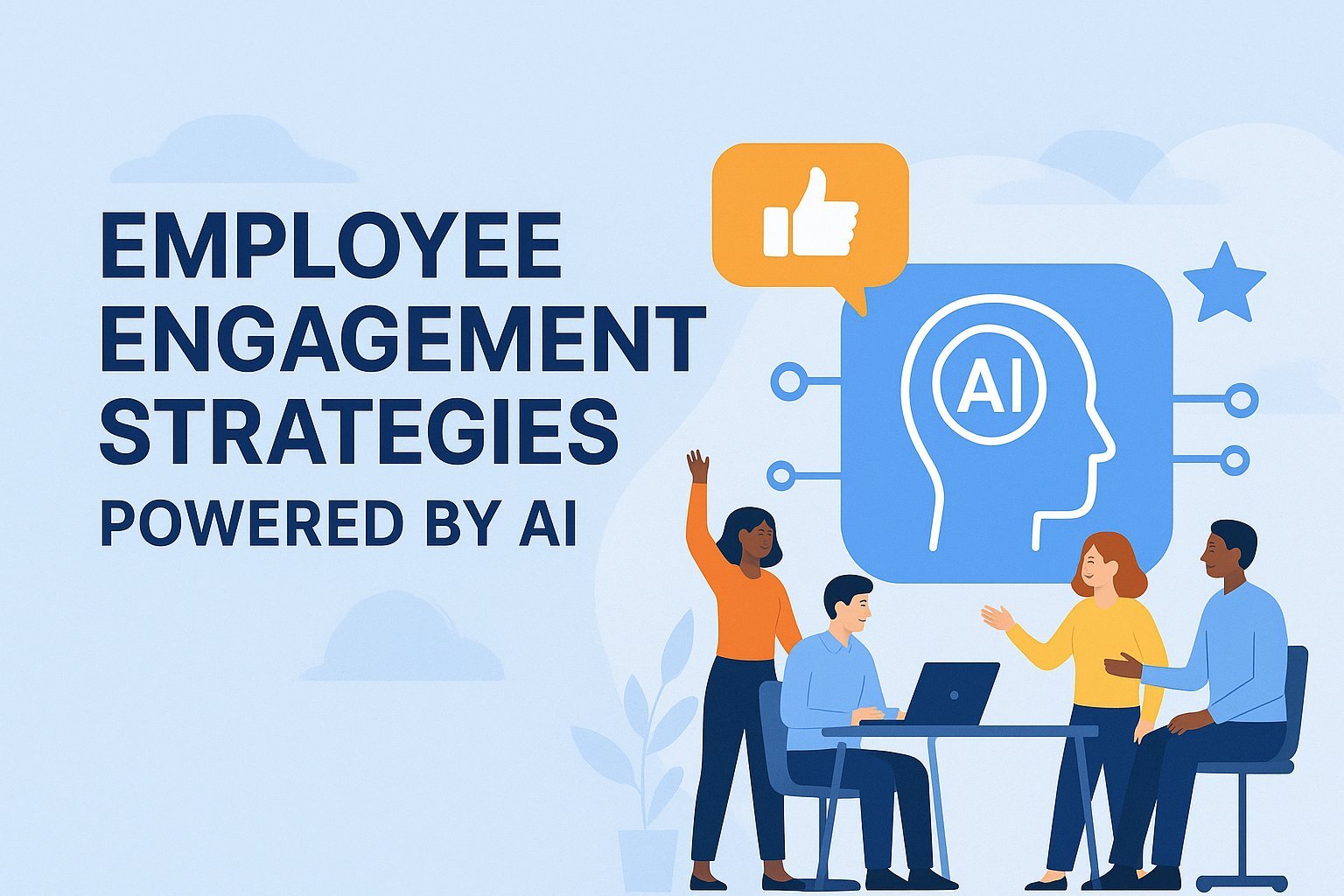
AI is changing how organizations listen, learn, and recognize at scale. Used well, it strengthens human connection instead of replacing it. Any modern approach should pair AI with a clear Performance Management, thoughtful governance, and managers who coach. The goal is simple: faster insight, better conversations, and recognition that feels personal.
Why pair AI with engagement work
Traditional surveys are slow. Annual reviews arrive late. Recognition gets lost in inboxes. AI helps by collecting lightweight signals often, summarizing them clearly, and prompting timely appreciation. Leaders get sharper visibility. Managers get talking points that drive action. Employees feel seen.
Pulse surveys that people answer
Short, frequent pulses beat long, yearly forms. AI can:
- Target 3 to 5 focused questions by team or role.
- Detect themes across open text without burying HR in comments.
- Flag hotspots early, such as workload, clarity, and manager support.
- Suggest follow-up questions for the next pulse.
Keep pulses under two minutes. Rotate topics. Close the loop with a short note on what was heard and what will change.
Feedback summarization that leads to action
Managers often struggle to turn feedback into next steps. AI can:
- Cluster themes from survey comments, 1:1 notes, and exit interviews.
- Produce plain-language digests for each manager with top wins and gaps.
- Draft two or three suggested actions tied to team goals.
- Provide sample talking points for upcoming 1:1s.
Require managers to confirm or edit the AI summary and set one action per theme. Review progress in the next cycle.
Recognition prompts that feel personal
Recognition drives retention when it is specific and timely. AI can:
- Surface moments worth celebrating from work systems such as tickets closed, incidents resolved, features shipped, CSAT wins, and learning completions.
- Draft a short, specific kudos that names the behavior and impact.
- Route peer-to-peer prompts across teams to encourage cross-functional thanks.
Keep recognition public by default with an option for private notes. Tie posts to values and competencies so culture becomes visible.
Guardrails that build trust
AI support must protect people. Set these rules up front.
Data boundaries
- Include work artifacts, OKRs, tickets, customer feedback, and structured peer input.
- Exclude sensitive attributes and inferred proxies such as age or health.
- Separate experiments from pay and promotion decisions.
Security and privacy
- Encrypt data, limit access by role, and keep audit trails.
- Publish retention periods and give employees a way to see and correct their records.
Transparency
- Tell employees what is collected and why.
- Show managers and employees how summaries were produced and which inputs were used.
Fairness that is measured
Do not assume equity. Measure it.
- Track sentiment and recognition rates by location, tenure, job family, and demographic where lawful.
- Monitor disparate impact in outcomes tied to engagement insights.
- Watch for calibration drift by manager and fix coaching gaps.
- Review who gets stretch work and training, not just who gets praise.
If fairness metrics drift, pause automation and adjust models or processes.
Playbook for HR adoption
Start small, prove value, and scale.
- Pick two use cases Example: monthly pulse plus recognition prompts. Keep scope tight.
- Define success metrics Response rate, recognition frequency, time from survey to action, and manager satisfaction with summaries.
- Select tools that explain themselves Favor systems that show inputs, weights, and example evidence. Avoid black boxes.
- Run a 90-day pilot One business unit, one language, clear timeline. Compare results to a control group.
- Train managers Teach how to read AI summaries, run action-focused 1:1s, and write specific recognition. Coaching beats dashboards.
- Communicate with employees Share what is changing, how data is handled, and how feedback will shape actions. Close the loop after each pulse.
- Scale with guardrails Add more teams after hitting targets. Review bias and privacy controls every cycle.
Practical examples by function
- Support: AI flags rising ticket backlog and sentiment about workload. Manager adjusts staffing for peak hours and recognizes the agent who updated a runbook that cut first response time.
- Engineering: Summaries show code review delays hurting morale. Team pilots smaller pull requests and celebrates reviewers who unblock others fast.
- Sales: Pulse reveals confusion about pricing changes. Ops publishes a one-page guide. Recognition highlights a rep who shared a clear talk track that improved win rate.
- People operations: Exit comments cluster around career growth. HR funds internal mobility coaching and tracks promotion velocity by team.
Common pitfalls to avoid
- Over-surveying without action. Fewer pulses with visible follow-up beat constant asks.
- Treating AI outputs as verdicts. Require human review and context before changes that affect careers.
- Generic recognition. Always name the behavior and impact.
- One metric to rule all. Keep separate views for performance, potential, and values.
Measuring impact that leaders believe
Report a simple, repeated set of outcomes:
- Participation in pulses and time to action.
- Recognition frequency per employee and coverage across teams.
- Movement in key drivers such as clarity, manager support, and workload balance.
- Changes in regretted attrition, internal mobility, and eNPS.
Tie wins to customer and business outcomes such as cycle time, CSAT, and revenue per head. This turns engagement from a feel-good idea into an operating system.
Bottom line
AI does not engage people. Managers and peers do. AI makes it easier by catching signals early, summarizing clearly, and nudging timely recognition. Paired with a trustworthy Performance Management tool, strong privacy controls, and a culture of coaching, AI-powered employee engagement strategies help organizations listen better, act faster, and keep the human connection at the center.
