

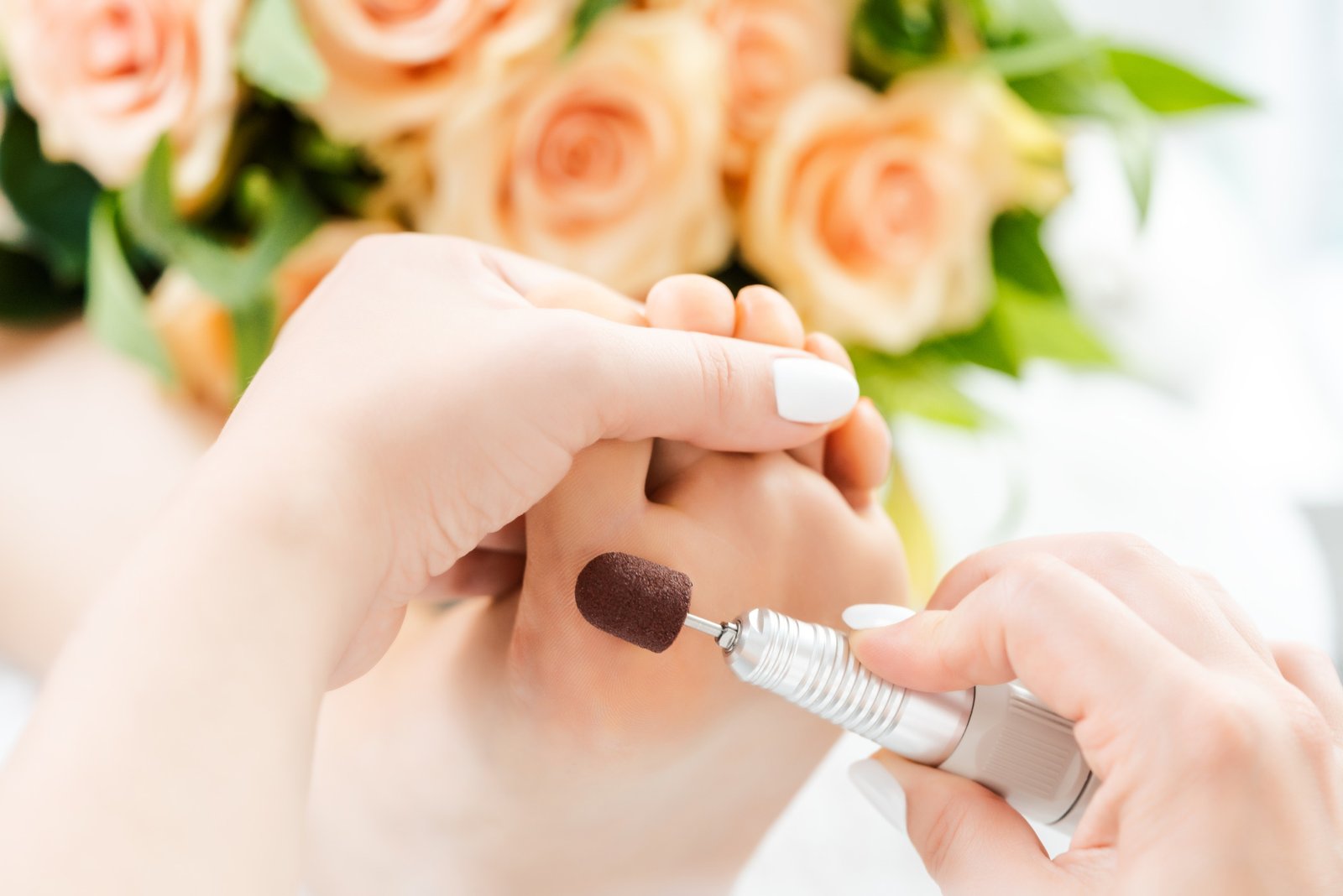
Foot problems often start quietly. A small patch of thick skin appears on the heel or near the toes.
At first it feels harmless. Over time, though, that rough spot may begin to feel uncomfortable when walking or standing for long periods.
Corns and calluses develop because the skin is trying to protect itself. When the same portion of the foot is continually pressed or rubbed upon, the body then reacts by developing thicker skin.
It is a natural defence mechanism and it can be irritating when the skin keeps becoming hard. Many people look into foot corn and callus removal once the area starts to feel rough, dry, or sensitive.
How Corns and Calluses Form?
Daily movement places a lot of stress on the feet. Walking, standing, and even the type of shoes someone wears can influence where thickened skin develops.
Calluses usually appear as wide, flat patches of hard skin.
Corns are slightly different. They tend to be smaller and more concentrated. Some form on the tops of toes, while others appear between them. Tight shoes are often a major factor because they create repeated friction in those areas.
Neither condition is unusual. In fact, many adults notice these changes at some point, especially if their daily routine keeps them on their feet.
A Practical Approach to Home Care
The safest approach to foot corn and callus removal at home is a slow and gentle one. Trying to remove hardened skin too quickly can irritate healthy tissue underneath.
Keeping your feet in warm water for ten or fifteen minutes softens the skin and makes it easier to manage. Some people add a mild soap or bath salts, though plain water works just as well.
Once the skin softens, a pumice stone or foot file can help smooth the area. Light pressure is enough. Think of it as gradually polishing the rough surface rather than scraping it away.
Moisture is another key step that often gets overlooked. Thick skin tends to become dry, and dry skin cracks more easily.
Applying moisturiser after exfoliating helps keep the skin flexible and more comfortable during daily movement.
Consistency matters more than intensity. Small improvements over several days usually work better than trying to solve the issue in one sitting.
Preventing Corns from Returning
Even after treating a corn or callus, the real challenge is stopping it from coming back.
Footwear is often the main cause. Shoes that are too tight, narrow, or stiff can create constant pressure points. Over time, the skin reacts by thickening again in the same area.
Choosing comfortable shoes with enough space around the toes makes a noticeable difference.
In addition, simple habits help as well. Keeping the feet moisturised and occasionally smoothing rough skin prevents it from building up again.
When Professional Care Is the Better Option
Home care is effective in mild cases. The thickened skin is, however, painful at times. When walking becomes uncomfortable, then it is time to think about professional assistance.
Specialists who provide corn removal in Calgary can remove hardened skin safely while examining what caused it in the first place.
They also prescribe shoe modification or foot support in most cases to avoid the recurrence of the problem.
Conclusion
Corns and calluses are something that is an everyday occurrence to most people, especially those that spend extensive hours on their feet.
Nevertheless, in case the pain persists or the skin turns painful, it is important to consult the experts. For those looking for trusted corn removal in Calgary, Fabulous Foot Care offers professional foot care services designed to keep your feet comfortable, healthy, and ready for everyday movement.
