

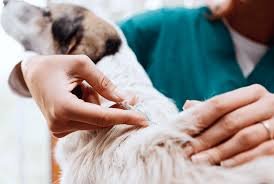
and overall happiness. Many pet owners feed on autopilot — a scoop of kibble here, a treat there — without really thinking about what their dog truly needs.
This is where pet care planning comes in. By planning meals, tracking portions, and understanding your dog’s nutritional needs, you can help your furry friend stay healthy, active, and full of life. Let’s talk about how to do it in a simple, practical way.
Why Nutrition Matters
Good nutrition is the foundation of a happy, healthy dog. Feeding poorly or inconsistently can cause:
- Unnecessary weight gain or underweight problems
- Digestive issues
- Low energy
- Weak immunity
- Joint and mobility challenges
Planning ahead lets you avoid these problems. A little thought today can save a lot of stress (and vet bills) later.
What Makes a Healthy Dog Diet?
A healthy diet has the right balance of protein, fats, carbs, and essential vitamins. Here’s a simple breakdown:
Protein
- Builds strong muscles and supports energy
- Sources: Chicken, beef, fish, eggs
- Puppies need slightly higher protein for growth
Healthy Fats
- Keep skin shiny, coat soft, and brain sharp
- Sources: Fish oil, flaxseed, chicken fat
Carbohydrates
- Give energy for daily activity
- Sources: Rice, sweet potatoes, oats
- Avoid too many fillers like corn
Vitamins & Minerals
- Support immunity, bone health, and metabolism
- Found in meat, veggies, and sometimes supplements
Choosing the Right Food
Not all dog food is created equal. Choosing the right one depends on:
- Breed
- Age (puppy, adult, senior)
- Activity level
- Health issues
Tips for picking the best food:
- Look for real meat as the first ingredient
- Check for AAFCO approval
- Avoid artificial colors, flavors, and preservatives
- Rotate protein sources for variety
Portion Control and Feeding Schedule
Even the best dog food can cause problems if your dog eats too much. Pet care planning helps you feed the right amount for your dog’s size and activity level.
Feeding Tips:
- Puppies: 3–4 small meals per day
- Adult dogs: 1–2 meals per day
- Senior dogs: Smaller, nutrient-rich meals
- Use a pet calculator to help decide portions
Treats Done Right
Treats are part of bonding, but too many can undo all your good work. Stick to:
- Baby carrots or apple slices
- Low-calorie dog treats
- Using part of your dog’s daily kibble as a reward
Keep treats under 10% of total daily calories. Treats should complement meals, not replace them.
Homemade vs. Commercial Food
Both can work if done properly:
Homemade Food
- Pros: You know exactly what’s in it, fresh ingredients
- Cons: Easy to miss important nutrients if not balanced
Commercial Food
- Pros: Balanced nutrition, convenient
- Cons: Some low-quality brands have fillers or additives
Whatever you choose, make sure your plan ensures your dog gets everything they need.
Adjusting Diet by Life Stage
Your dog’s needs change as they grow:
Puppies
- High protein and fat
- Multiple small meals
- Extra growth vitamins
Adult Dogs
- Balanced protein, moderate fat
- Maintain healthy weight
- Regular portion checks
Senior Dogs
- Lower calories, high-quality protein
- Joint-support nutrients like glucosamine and omega-3
- Easily digestible food
Adjusting meals based on life stage keeps your dog healthy and active longer.
Common Mistakes to Avoid
Even caring owners can slip up:
- Free-feeding all day instead of scheduled meals
- Giving too many table scraps
- Feeding human foods that are unsafe
- Ignoring calorie needs based on activity
- Not checking weight regularly
A little planning goes a long way in preventing these mistakes.
Combine Food with Overall Health
Nutrition alone isn’t enough. Pair it with:
- Daily exercise (walks, playtime, or fetch)
- Regular vet checkups
- Monitoring weight, coat, and energy
When meals, exercise, and health tracking work together, your dog thrives.
Final Thoughts
Good nutrition is the easiest way to show love for your dog. By focusing on pet care planning, you ensure your dog eats right, stays active, and enjoys a long, healthy life.
Plan meals, measure portions, watch treats, and adjust as they grow. It’s simple, practical, and your dog will feel the difference — more energy, a shiny coat, and happy days.
A little planning today gives your dog a healthier, happier tomorrow.
