

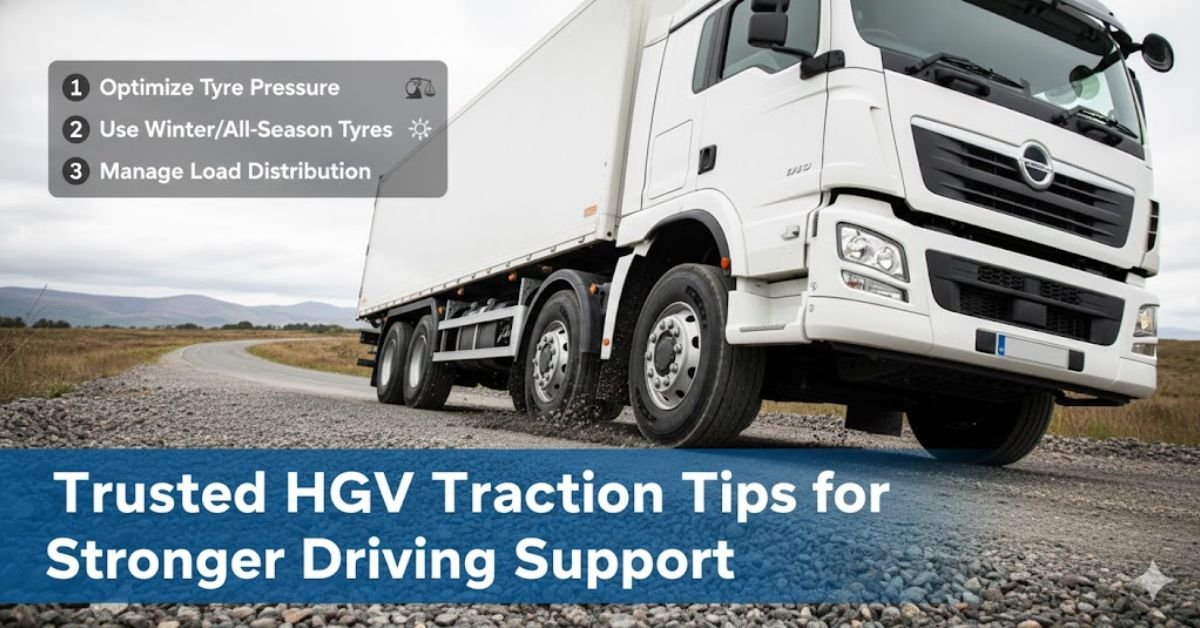
Anyone who spends long days behind the wheel of a heavy goods vehicle knows that traction is one of those things you don’t think much about until it suddenly becomes a problem. A small slip on a wet bend or an odd pull when carrying a heavy load can change the whole feel of the truck. That’s why so many operators lean on HGV traction services to keep their vehicles steady and dependable, especially when their routes vary or weather turns ugly. And if you manage a busy Transit Fleet, having reliable traction isn’t optional—it’s essential for safety, cost control, and peace of mind.
Why Traction Matters More Than Most People Realize
Traction isn’t just about grip. It’s about how the entire vehicle behaves at any given moment. A slight change in road texture, load placement, or tyre condition can completely shift how the truck responds.
A few things traction affects daily:
- braking distance
- cornering stability
- steering feel
- tyre life
- fuel use
If your work takes you across mixed routes—wet rural lanes one minute, dry motorway the next—you’ve probably felt how quickly things can change. Learning how to manage that difference makes a noticeable improvement in driving confidence.
HGV Traction Services: Real Support When Roads Get Difficult
Most drivers have had at least one moment on a job where the road conditions caught them off guard. That’s when having reliable HGV traction services makes a huge difference. These services aren’t just fancy add-ons; they’re practical support tools that help trucks maintain grip, especially when carrying difficult or shifting loads.
Typical Things These Services Help With
- analysing grip levels
- diagnosing tyre or alignment issues
- preparing trucks for winter conditions
- checking balance, wheels, and tread patterns
- giving drivers corrective advice for tricky routes
If you’re running a larger Transit Fleet, these checks save a lot of downtime in the long run.
1. Keep Your Weight Balanced — It Matters More Than You Think
If there’s one traction tip every driver eventually learns the hard way, it’s load balance. When weight shifts too far back, the steering feels light. Too far forward, and braking becomes unpredictable.
A Few Practical Reminders
- put the heaviest items low and close to the centre
- avoid leaving large gaps where loads can slide
- double-check straps after the first half-hour on the road
- try not to stack odd-shaped items awkwardly
Balanced loads make the truck feel calm and predictable—not jumpy.
2. Pick Tyres Based on the Roads You Actually Drive
One thing people outside the industry don’t always get is that HGV tyres aren’t “one size fits all.” If your trucks spend most of the week in urban stops, you need a very different tyre than someone doing long motorway runs.
Different Routes Need Different Tyres
- mostly motorway: tyres with low rolling resistance
- mixed routes: tougher compounds that hold up to more stopping
- cold seasons: deeper tread patterns for wet or icy mornings
Most drivers can tell instantly when tyres aren’t right for the job—they just know the truck doesn’t feel like it should.
3. Tyre Pressure: Small Number, Huge Difference
It’s amazing how something as small as a few PSI can change how a truck handles. Too much pressure, and the tyres barely bite the road. Too little, and they overheat or drag.
Tie these habits into your routine
- quick pressure check before long drives
- adjust for big temperature swings
- keep a good gauge on hand (cheap ones lie)
- take a second look if the steering feels “off”
If you manage a Transit Fleet, consistent tyre pressure checks save a surprising amount of fuel.
4. Smooth Inputs Make Everything Easier
Most experienced drivers learn that heavy vehicles don’t like sudden decisions. Quick steering changes or harsh braking can make tyres lose contact with the road more easily than people think. Learning how to manage large vehicles can be as complex as planning the best itinerary for your next trip, perhaps including one of the exciting Tour Packages available.
Driving habits that help traction
- slow, steady acceleration
- braking early instead of last-second stopping
- gentle cornering, especially when loaded
- adjusting speed sooner when weather changes
Driving this way also saves fuel—and nerves.
5. Weather Is the Biggest Wild Card
Every driver knows the UK’s unpredictable weather can turn a routine journey into something completely different. Rain, frost, wind—it all plays a part in how the tyres meet the road.
Simple Adjustments That Help
- give extra space in rain
- keep gear changes smoother on ice
- be cautious with crosswinds on open motorways
- watch for shiny patches on cold mornings
Weather awareness makes drivers far calmer in difficult situations.
6. Maintenance Keeps Traction Consistent
A truck can only grip as well as it’s maintained. A worn suspension or a slightly misaligned axle can ruin traction faster than a bald tyre.
What Maintenance Should Cover
- braking system
- wheel alignment
- suspension components
- bearings
- traction-related electronics
A few hours in the workshop can prevent a week of issues on the road.
FAQs
1. What’s the biggest factor affecting traction for HGVs?
Usually a combination of tyre condition and weight balance, though weather can change everything in seconds.
2. How often should traction-related parts be checked?
Weekly for tyres, every service cycle for alignment and suspension.
3. Do traction services help in winter?
Absolutely—they’re often the difference between feeling confident or struggling on frosty mornings.
4. Can traction problems damage a truck?
Yes, especially tyres, brakes, and suspension over time.
Conclusion
Good traction isn’t something drivers think about constantly, but when it’s missing, the entire vehicle feels wrong. With careful driving, the right tyres, and dependable HGV traction services, trucks stay steady and safe across long stretches of unpredictable roads. Whether you’re handling one vehicle or managing a full Transit Fleet, focusing on traction helps protect drivers, reduce breakdowns, and keep long journeys far less stressful.
