

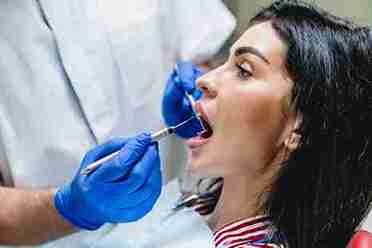
Tooth erosion caused by acid wear is a growing concern for dental health, affecting people of all ages. It occurs when the enamel, the protective outer layer of teeth, gradually wears away due to exposure to acids. This can lead to sensitivity, thinning of the enamel, and even visible changes in tooth shape or colour. Many people are unaware of the early signs of acid wear, which is why regular dental visits are essential. Dental hygienists play a crucial role in identifying erosion before it becomes severe and in guiding patients through effective prevention and treatment strategies. This article explores how hygienists detect and manage tooth erosion to safeguard your smile.
Understanding Acid Wear
Acid wear, or tooth erosion, is the gradual loss of enamel due to acidic substances. It is distinct from decay caused by bacteria. There are two main types of acid exposure:
- Extrinsic acid wear: Caused by acids from foods and drinks such as soft drinks, citrus fruits, sports drinks, and vinegar-based foods.
- Intrinsic acid wear: Resulting from stomach acid exposure due to conditions like acid reflux, vomiting, or eating disorders such as bulimia.
Left untreated, acid wear can result in enamel thinning, increased tooth sensitivity, yellowing, and even cracking. Recognising the risk factors and early signs is essential to prevent long-term damage.
How Hygienists Identify Acid Wear
Dental hygienists are trained to spot enamel erosion at its earliest stages. Their approach combines visual inspection, clinical assessment, and patient history.
1. Visual Examination
Hygienists examine teeth for changes in shape, texture, and colour. Key visual indicators include:
- Smooth, shiny areas where enamel is thinning.
- Cupping or depressions on biting surfaces.
- Yellowing, revealing underlying dentine.
2. Assessing Sensitivity
During check-ups, patients are asked about sensitivity to hot, cold, or acidic foods. Sudden sensitivity can indicate enamel loss or early erosion.
3. Using Dental Tools
Hygienists may use probes to gently check enamel hardness and detect early erosion. They may also take photographs or impressions to monitor changes over time.
4. Medical and Dietary History
Understanding lifestyle and medical background is vital. Hygienists ask about:
- Consumption of acidic foods and beverages
- Acid reflux or frequent vomiting
- Oral hygiene habits
- Grinding or clenching habits
Collecting this information helps customise treatment and prevention plans. In some cases, hygienists work alongside an emergency dentist in Chesterfield when erosion is severe or accompanied by pain, ensuring comprehensive care.
Common Causes of Acid Wear
Identifying the causes of erosion allows patients to modify behaviour and prevent further damage.
Dietary Factors:
- Frequent soft drinks, citrus fruits, or energy drinks
- Vinegar or pickled foods
Medical Factors:
- Acid reflux (GERD)
- Eating disorders or frequent vomiting
Lifestyle Factors:
- Overzealous brushing with hard toothbrushes or abrasive toothpaste
- Grinding or clenching (bruxism)
By addressing these causes, patients can slow or even halt the progression of enamel erosion.
Management and Prevention Strategies
Treatment and prevention of acid wear require a combined approach of professional care and at-home habits.
1. At-Home Care Recommendations
Hygienists guide patients on daily routines to protect enamel:
- Use fluoride toothpaste and mouth rinses to strengthen teeth.
- Avoid brushing immediately after consuming acidic foods or drinks; instead, rinse with water and wait 30–60 minutes.
- Use a soft-bristled toothbrush and gentle technique.
- Reduce frequency of acidic food and drink intake.
2. Professional Treatments by Hygienists
Hygienists offer treatments to repair and protect enamel:
- Fluoride varnishes or gels to strengthen weakened enamel.
- Remineralising treatments to restore early enamel loss.
- Dietary counselling tailored to patient habits.
- Regular monitoring to track progression and adjust care.
3. Protective Measures
- Night guards for patients who grind their teeth.
- Guidance on the timing of tooth brushing relative to acidic exposures.
In cases of advanced erosion or discomfort, collaboration with an emergency dentist in Chesterfield may be necessary for restorative treatments such as bonding or veneers.

The Role of Regular Check-Ups in Preventing Acid Wear
Regular dental visits are essential for preventing and managing acid wear. Hygienists can spot subtle changes in enamel before symptoms appear, allowing early intervention. During check-ups, they:
- Examine enamel for thinning or cupping
- Assess sensitivity levels
- Take photos or impressions for monitoring
- Provide personalised advice on diet and oral hygiene
These visits also give patients the opportunity to discuss lifestyle habits, medications, and medical conditions that may contribute to acid wear. Consistent monitoring ensures timely treatment, minimises discomfort, and reduces the risk of advanced enamel damage. Regular professional guidance is a key component of maintaining long-term tooth health.
Lifestyle Changes to Support Tooth Health
Preventing further acid wear is as important as treating existing damage. Hygienists emphasise lifestyle changes that protect enamel:
- Drink plenty of water to neutralise acids.
- Limit snacking on acidic foods throughout the day.
- Include dairy products, vegetables, and other enamel-friendly foods in your diet.
- Seek medical advice for reflux or vomiting issues to manage intrinsic acid exposure.
- Maintain regular dental visits to catch erosion early.
Small, consistent changes in daily habits can significantly reduce the risk of further enamel damage.
Early Signs Patients Should Watch For
Patients can help by recognising early symptoms of acid wear:
| Sign | What It Indicates |
| Tooth sensitivity to hot, cold, or sweet foods | Enamel thinning |
| Smooth, shiny enamel or rounded edges | Early erosion |
| Yellowing teeth | Dentine exposure |
| Chipping or cracks in enamel | Advanced erosion |
| Discomfort while eating | Potential progression of damage |
Noticing these signs early allows hygienists to intervene promptly, providing treatments that prevent more extensive dental work later.

When to Seek Professional Help
While daily care helps, professional intervention is crucial if erosion is suspected:
- Persistent tooth sensitivity
- Visible changes in tooth shape, enamel, or colour
- Pain when eating or brushing
- Suspected bruxism or grinding issues
Regular check-ups with a hygienist in Chesterfield are essential for early detection. They provide tailored care plans, monitor enamel health, and coordinate with dentists for advanced treatment if needed.
Conclusion
Acid wear can silently damage teeth over time, but hygienists play a key role in identifying and managing it before severe consequences arise. Through careful monitoring, preventive guidance, and professional treatments, patients can protect their enamel, reduce sensitivity, and maintain a healthy, confident smile. Early intervention combined with lifestyle adjustments ensures long-term dental health. With consistent care, professional support, and mindful habits, you can manage acid wear effectively. Thank you for trusting Chesterfield to help safeguard your oral health.
