

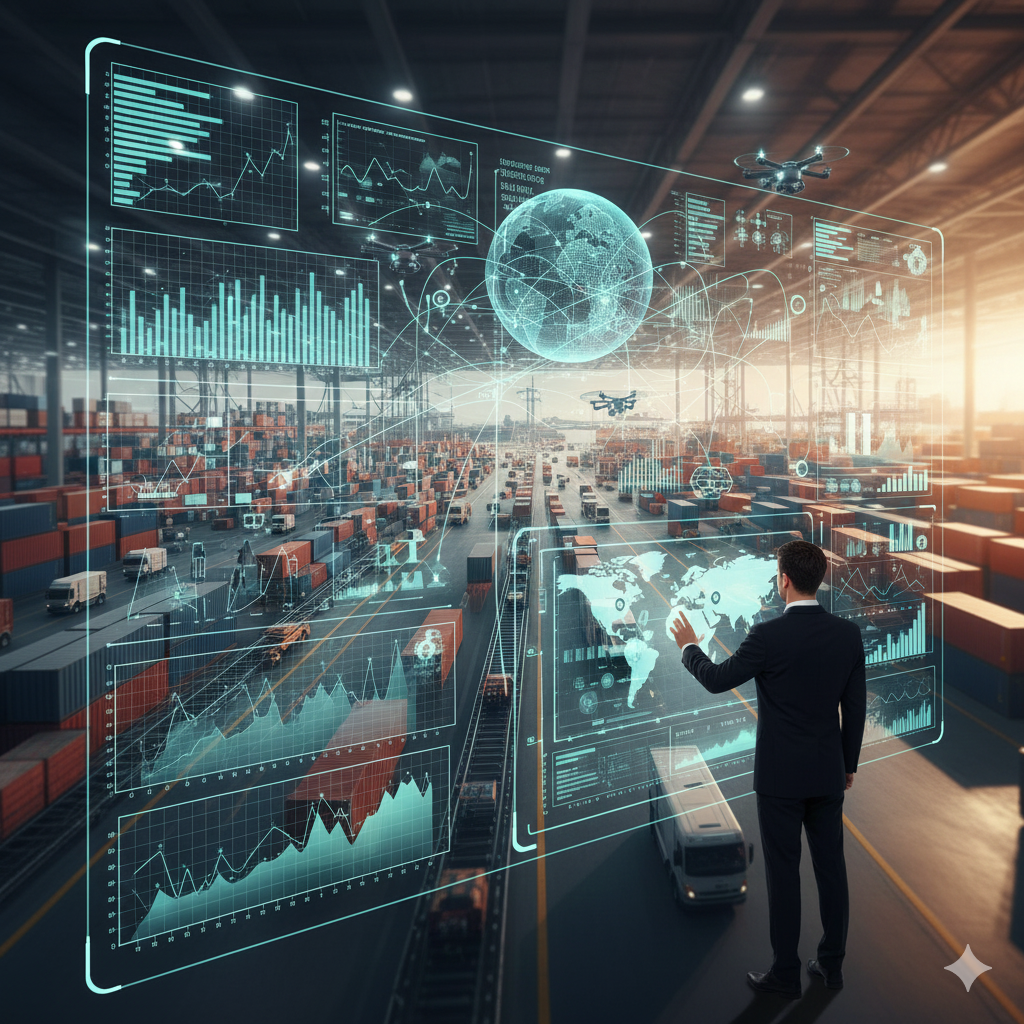
Accurate forecasting is the backbone of successful businesses. From retail to manufacturing, every industry relies on predicting future demand, sales, or resource needs to make informed decisions. Traditional forecasting methods, such as historical averages or simple trend analysis, often fail to capture market fluctuations or unexpected changes. With the rise of AI-based demand forecasting and modern predictive tools, businesses can now achieve a higher level of accuracy in their forecasts.
Understanding Forecasting Challenges
Forecasting is not as simple as it sounds. In the past, businesses depended heavily on historical sales data and basic statistical models. While these methods provided a general direction, they often struggled to adapt to sudden shifts in customer behavior, market trends, or external factors such as economic changes or supply chain disruptions.
For example, a clothing retailer might analyze last year’s sales during the winter season and assume similar demand this year. However, if a new trend emerges or a competitor launches a major promotion, traditional methods fail to capture the impact of these changes. This is where modern forecasting tools come into play, offering advanced techniques that go beyond simple historical analysis.
The Role of AI in Forecasting
Artificial intelligence (AI) has transformed the way businesses predict demand. AI-based forecasting uses machine learning algorithms to analyze vast amounts of data, identify patterns, and provide more accurate predictions. Unlike traditional methods, AI can process real-time data, such as customer behavior, social media trends, and economic indicators, to adjust forecasts dynamically.
Machine learning models can also learn from past forecasting errors. Over time, they improve their predictions by continuously comparing forecasted demand with actual outcomes. This feedback loop ensures that businesses can respond more effectively to changing market conditions and reduce costly errors like overstocking or stockouts.
Integration with Predictive Analytics
Modern forecasting tools often combine predictive analytics with AI to offer deeper insights. Predictive analytics involves analyzing historical data to identify trends and make informed predictions about future events. When integrated with AI, it allows businesses to forecast demand with greater precision.
For instance, a manufacturing company can use predictive analytics to estimate raw material requirements for the next quarter. By combining AI and predictive analytics, the company can account for factors such as supplier delays, seasonal demand fluctuations, and economic changes. This results in a more realistic and actionable forecast.
Real-Time Data and Cloud-Based Solutions
One of the major advantages of modern forecasting tools is their ability to use real-time data. Cloud-based platforms allow businesses to collect and process data from multiple sources instantly. This ensures that forecasts are always based on the latest information, rather than outdated historical data.
Real-time forecasting is especially important for industries like e-commerce or fast-moving consumer goods, where demand can change rapidly. By using modern tools, businesses can respond quickly to trends, adjust inventory levels, and optimize supply chain operations.
Reducing Human Error in Forecasting
Human error is a common issue in traditional forecasting methods. Manual data entry, subjective assumptions, and misinterpretation of trends can lead to inaccurate forecasts. Modern tools, particularly AI-driven platforms, minimize these errors by automating data collection, analysis, and reporting.
Automation not only improves accuracy but also frees up human resources to focus on strategic decision-making. Instead of spending time on manual calculations, employees can interpret insights from forecasts and develop actionable business strategies.
Case Studies and Industry Applications
Several industries have already benefited from modern forecasting tools. Retailers, for example, use AI-based demand forecasting to predict which products will be in high demand during holiday seasons. This helps them optimize inventory, reduce waste, and improve customer satisfaction.
In the supply chain sector, companies use predictive analytics to anticipate potential disruptions and adjust logistics accordingly. For instance, a transportation company can forecast delivery delays caused by weather conditions or traffic congestion and proactively re-route shipments.
Even the healthcare industry has adopted AI-driven forecasting. Hospitals use these tools to predict patient inflow, ensuring adequate staffing and resource allocation. This improves operational efficiency and patient care simultaneously.
Key Benefits of Modern Forecasting Tools
Modern tools offer multiple advantages over traditional methods. First, they provide higher accuracy, which leads to better inventory management, reduced waste, and cost savings. Second, they enable faster decision-making, as forecasts are generated in real-time. Third, they enhance flexibility, allowing businesses to respond quickly to market changes.
Moreover, integrating AI-based forecasting with predictive analytics allows businesses to uncover hidden patterns and insights that were previously impossible to detect. These insights can inform marketing strategies, pricing decisions, and supply chain optimization.
Challenges and Considerations
While modern forecasting tools offer many benefits, implementing them requires careful planning. Companies must ensure that data quality is high and that employees are trained to interpret the results correctly. Additionally, AI models need continuous monitoring and updates to remain effective, especially as market conditions evolve.
Businesses should also consider the cost of implementing advanced forecasting tools. While cloud-based solutions have become more affordable, smaller companies may face budget constraints. However, the long-term benefits of improved forecasting accuracy often outweigh initial investments.
Future of Forecasting
The future of forecasting lies in further integration of AI, machine learning, and real-time analytics. As technology advances, businesses will gain even more predictive power, enabling them to anticipate market trends before they occur.
We can expect more industries to adopt AI-based demand forecasting and predictive analytics to improve decision-making, reduce operational costs, and increase overall efficiency. Companies that leverage these tools effectively will have a competitive advantage in an increasingly data-driven business world.
Conclusion
Modern forecasting tools, powered by AI and predictive analytics, have revolutionized the way businesses predict demand. By reducing human error, processing real-time data, and learning from past trends, these tools improve forecasting accuracy and help companies make smarter decisions.
Whether you are in retail, manufacturing, healthcare, or logistics, adopting modern forecasting techniques can transform your operations and drive long-term growth. Businesses that embrace AI-based demand forecasting today are better prepared to navigate uncertainty and meet the ever-changing needs of their customers.
