

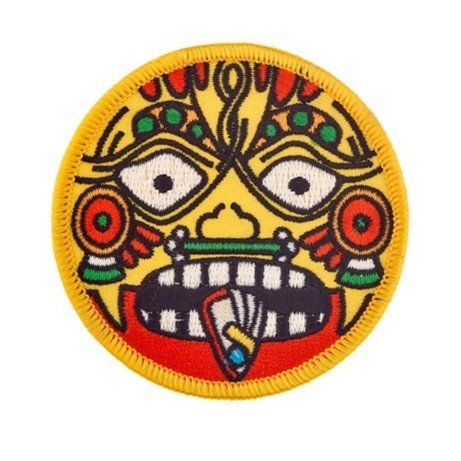
Picking the right material for Custom Embroidery Patches can totally make or break your project. Seriously, the fabric matters. It affects durability, looks, and even how your design stitches out. Whether you’re making patches for jackets, hats, or bags, you want something that lasts. And it’s not just about strength—how the patch feels matters too. Smooth, soft, or rugged textures all give different vibes. Match the material with your design and you’re golden. Good digitizing helps too, so your patch looks clean and professional.
Why Material Selection Matters for Custom Embroidery Patches
The fabric you pick can change everything. Some fabrics hold stitching better, others might pucker or look messy. That’s why choosing the right base is key. Your Custom Embroidery Patches will stay in shape longer and look sharper. Plus, material affects flexibility and application. Sew-on, iron-on, or adhesive backings all behave differently. Pick wisely, and your patches feel premium. Wrong choice, and you risk frustration and messy results.
Popular Materials for Custom Embroidery Patches
There are plenty of fabrics out there, each with its perks. Let’s break down the most popular ones.
1. Twill Fabric
Twill is sturdy and durable. Great for bold designs and text-heavy patches. Corporate or military patches often use it. Stitching holds nicely, and it’s easy to cut.
2. Felt
Felt is soft and textured. It’s playful and works well for kids’ designs. Cutting shapes is simple, but stitching dense details may require more care.
3. Canvas
Canvas is thick and tough. Outdoor patches love this fabric. Works well with 3D Puffy Design for that raised effect. Holds up to wear and tear.
4. Denim
Denim looks stylish and handles detailed embroidery Patterns well. Jackets or jeans? Denim is a winner. Just add stabilizer for best results.
5. Synthetic Blends
Polyester and nylon are flexible and retain color. Ideal for patches that face lots of washing. They’re durable and smooth.
How Fabric Affects Stitching and Digitizing
The type of material affects digitizing. Felt might need extra underlay stitches. Twill and canvas can handle dense designs easily. Using custom embroidery digitizing services ensures your patch stitches perfectly. Professionals optimize stitch paths and density for the chosen fabric. Good digitizing prevents puckering, thread breaks, and uneven texture. When you use a clean dst file format, machines read it accurately, producing crisp results every time.
Using DST File Format for Patch Designs
A dst file format is a lifesaver. It’s compatible with commercial machines and keeps your design accurate. Skipped stitches? Won’t happen. Uneven density? Not with proper formatting. This format is a must for high-volume production and detailed designs.
Factors to Consider When Choosing Patch Material
Think about durability, texture, and flexibility. Will it hold dense stitching? Is it comfy on clothes? Can your machine handle it? Does it keep thread colors vibrant? These matter. The right fabric makes stitching easier and gives better final results.
Benefits of Custom Embroidery Digitizing for Patches
Professional custom embroidery digitizing turns artwork into stitch-ready files. It’s not just a fancy service—it saves headaches. Good digitizing considers fabric type, size, stitch density, and pattern complexity. Using the best embroidery digitizing ensures the patch stitches smooth and looks consistent every time. Plus, it makes dst file format output reliable for any machine.
Popular Patch Backing Options
Backing matters. Iron-on adhesives make patches easy to apply. Sew-on provides durability. Velcro lets you move and reposition patches. Heat-seal combines flexibility and long-lasting results. Pick a backing that matches your use.
Matching Fabric and Design Style
Some designs need specific fabrics. Dense logos? Twill or canvas. Soft, playful shapes? Felt works best. 3D Puffy Design? Go thicker for extra depth. Matching material and design gives clean, attractive patches.
Custom Embroidery Patches for Branding and Businesses
Businesses love patches. They’re great for marketing, uniforms, and giveaways. Well-digitized patches keep details sharp even at small sizes. Offering multiple embroidery Patterns increases appeal. Using professional embroidery digitizing service saves time, money, and ensures quality. Patches are perfect for small businesses and hobby embroidery ventures alike.
Tips for High-Quality Patch Production
Always test stitch first. Match stabilizers to fabric. Use professional digitizing services. Check thread color longevity. Optimize for dst file format. These steps prevent common issues and ensure your patches look top-notch.
Conclusion
Choosing the best material for your Custom Embroidery Patches is essential. The right fabric boosts durability, stitching quality, and visual appeal. Twill, felt, canvas, and denim each offer unique benefits. Pairing them with professional custom embroidery digitizing and reliable dst file format files ensure consistent, beautiful patches. For trusted, budget-friendly patch solutions and digitizing services, 1dollardigitizing delivers reliable, high-quality results that creators and businesses love.
