

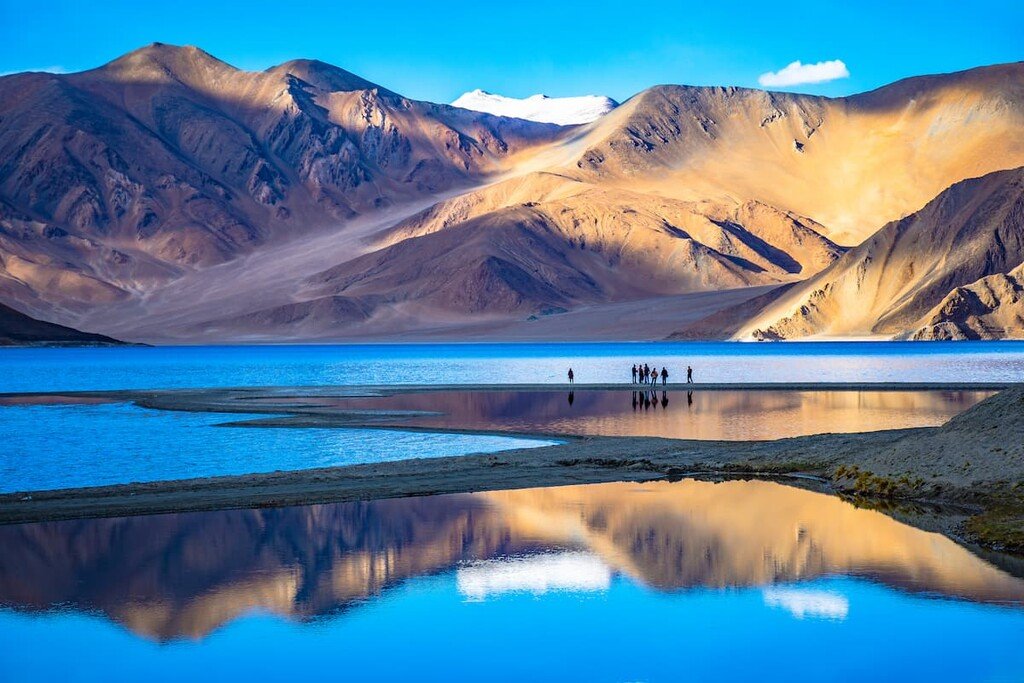
India is a country of diverse landscapes and cultures, and Ladakh Tourism is one of the most extraordinary experiences that showcases the raw beauty of the Himalayas. Known as the “Land of High Passes,” Ladakh is a region of snow‑clad mountains, crystal‑clear lakes, ancient monasteries, and unique traditions. Whether you are an adventure seeker, a spiritual traveler, or someone looking for peace in nature, Ladakh offers unforgettable journeys that stay with you forever.
🌄 Introduction to Ladakh
Ladakh is located in the northernmost part of India, bordered by Tibet, Himachal Pradesh, and Jammu & Kashmir. It is divided into two districts—Leh and Kargil. The region is famous for its high‑altitude deserts, Buddhist monasteries, and breathtaking landscapes.
Tourism in Ladakh is not just about sightseeing; it’s about experiencing a lifestyle that thrives in harmony with nature. From trekking across rugged terrains to meditating in centuries‑old monasteries, Ladakh offers a blend of adventure, spirituality, and serenity.
🏔️ Natural Beauty of Ladakh
One of the strongest pillars of Ladakh Tourism is its natural beauty.
- Pangong Lake: A high‑altitude lake that changes colors throughout the day, stretching into Tibet.
- Nubra Valley: Famous for sand dunes, double‑humped camels, and scenic villages.
- Zanskar Valley: Known for trekking, river rafting, and frozen river expeditions.
- Tso Moriri Lake: A pristine lake surrounded by snow‑clad mountains.
- Magnetic Hill: A unique spot where vehicles appear to defy gravity.
These landscapes make Ladakh a paradise for photographers and nature lovers.
🏘️ Major Ladakh Tourism Places
Leh – The Heart of Ladakh
Leh is the capital and the most popular base for exploring Ladakh.
- Leh Palace: A 17th‑century palace offering panoramic views.
- Shanti Stupa: A white‑domed stupa symbolizing peace.
- Local Markets: Famous for handicrafts, pashmina shawls, and souvenirs.
Nubra Valley
Located north of Leh, Nubra Valley is a unique blend of desert and greenery.
- Diskit Monastery: Home to a giant statue of Maitreya Buddha.
- Hunder Sand Dunes: Famous for camel rides.
- Scenic Villages: Authentic Ladakhi hospitality.
Pangong Lake
One of the most iconic Ladakh Tourism destinations.
- Famous for its changing colors.
- Camping by the lake is a popular activity.
- Featured in Bollywood movies like 3 Idiots.
Zanskar Valley
A remote valley known for adventure activities.
- Chadar Trek: Walking on the frozen Zanskar River in winter.
- Rafting: Thrilling river rafting experiences.
- Monasteries: Ancient Buddhist centers of learning.
Tso Moriri Lake
A high‑altitude lake located in Changthang region.
- Known for its pristine beauty.
- Habitat for migratory birds.
- Ideal for camping and photography.
🎭 Culture and Traditions
Culture is the heartbeat of Ladakh Tourism. The region is deeply influenced by Tibetan Buddhism.
- Festivals: Hemis Festival, Losar, and Ladakhi New Year are celebrated with grandeur.
- Monasteries: Hemis, Thiksey, and Lamayuru monasteries are centers of spirituality.
- Cuisine: Momos, thukpa, skyu, and butter tea are staples.
- Handicrafts: Woolen products, carpets, and traditional jewelry are popular souvenirs.
Every aspect of Ladakhi culture reflects simplicity, spirituality, and harmony with nature.
🐅 Wildlife and Eco‑Tourism
Ladakh is rich in biodiversity despite its harsh climate.
- Hemis National Park: Famous for snow leopards.
- Changthang Wildlife Sanctuary: Home to Tibetan wild ass and migratory birds.
- Eco‑Tourism Villages: Promote sustainable tourism and authentic experiences.
These initiatives highlight Ladakh’s commitment to conservation.
🎒 Adventure Tourism
Adventure is a key part of Ladakh Tourism.
- Trekking: Popular treks include Markha Valley, Stok Kangri, and Chadar Trek.
- River Rafting: Zanskar and Indus rivers offer thrilling rafting experiences.
- Motorbike Expeditions: Riding through Khardung La and Chang La passes.
- Camping: Pangong and Nubra Valley are perfect for stargazing.
- Mountaineering: Peaks like Nun Kun attract climbers from across the world.
Adventure tourism in Ladakh combines adrenaline with breathtaking views.
📍 Summary of Ladakh Tourism Places
| Destination | Highlights |
| Leh | Leh Palace, Shanti Stupa, markets |
| Nubra Valley | Diskit Monastery, Hunder Sand Dunes |
| Pangong Lake | Changing colors, camping |
| Zanskar Valley | Chadar Trek, rafting, monasteries |
| Tso Moriri | Migratory birds, camping |
| Magnetic Hill | Gravity‑defying phenomenon |
🧭 Suggested Itineraries
7‑Day Classic Ladakh Tour
- Day 1: Arrival in Leh – acclimatization
- Day 2: Leh sightseeing – Leh Palace, Shanti Stupa
- Day 3: Nubra Valley – Diskit Monastery, Hunder Sand Dunes
- Day 4: Pangong Lake – camping and photography
- Day 5: Tso Moriri Lake – pristine landscapes
- Day 6: Zanskar Valley – monasteries and adventure
- Day 7: Departure
10‑Day Adventure and Culture Tour
- Leh, Nubra Valley, Pangong Lake, Tso Moriri, Zanskar Valley, Hemis Monastery, Lamayuru
🌱 Sustainable Tourism
Ladakh Tourism is embracing eco‑friendly practices. Homestays, organic farming, and community‑based tourism are gaining popularity. The government promotes responsible tourism to preserve the fragile Himalayan ecosystem.
✨ Why Choose Ladakh Tourism?
- Stunning Himalayan landscapes
- Rich cultural heritage and monasteries
- Adventure activities for thrill seekers
- Spiritual retreats and festivals
- Eco‑friendly and sustainable tourism initiatives
Ladakh is not just a destination; it’s an experience that stays with you forever.
📝 Conclusion
Ladakh Tourism is a gateway to India’s natural and spiritual treasures. Whether you are seeking divine blessings, thrilling adventures, or peaceful retreats, Ladakh has something for everyone. Its monasteries narrate tales of devotion, its mountains echo with adventure, and its lakes reflect serenity.
A journey through Ladakh is more than just travel—it’s a celebration of life, culture, and harmony with nature. For anyone planning their next holiday, Ladakh promises memories that will last a lifetime.
