

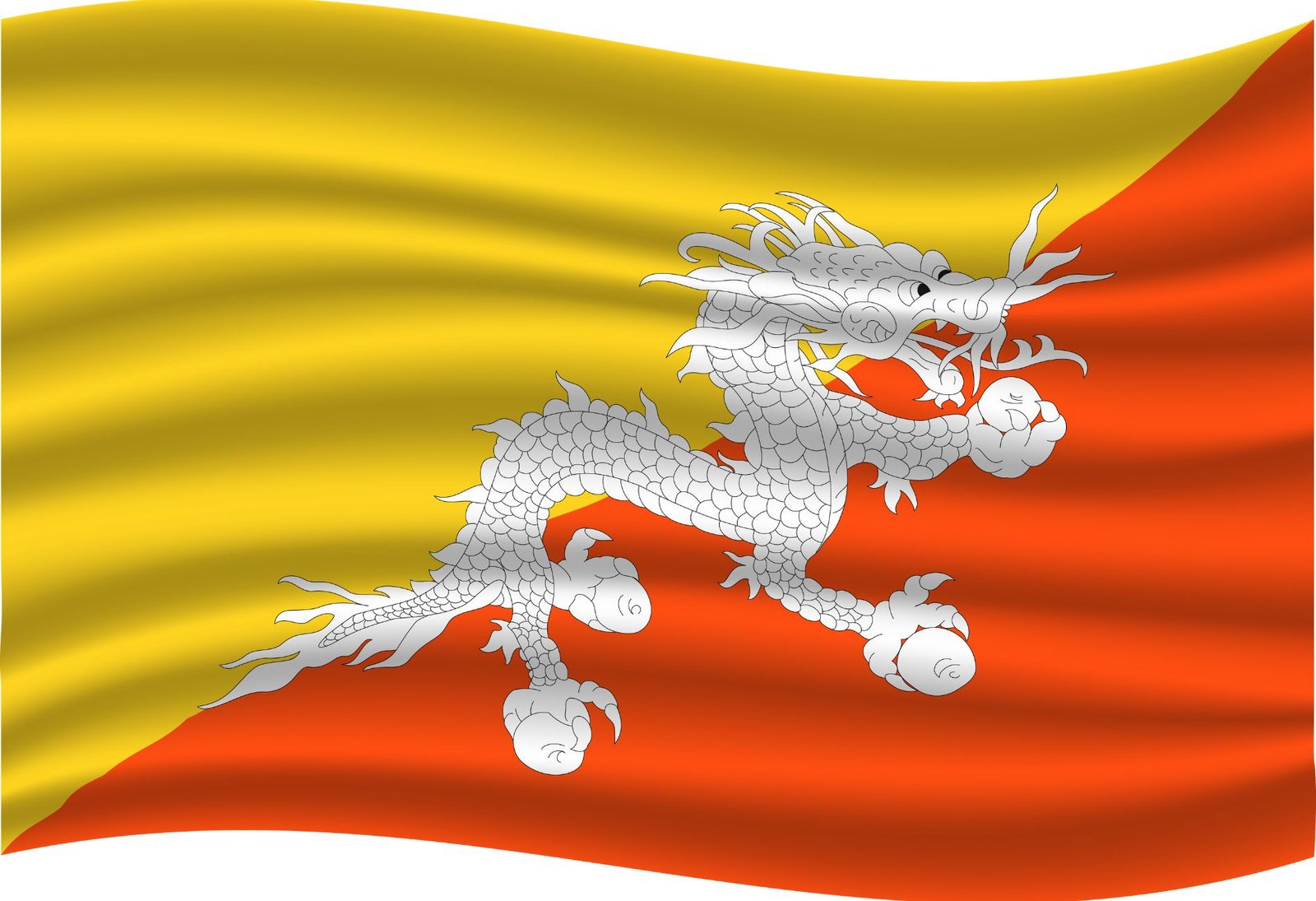
The national flag of Bhutan is one of the most striking and meaningful emblems in the world. More than a mere piece of fabric, it reflects the country’s identity, spiritual heritage, and deep cultural pride. For travelers planning a Himalayan adventure or anyone fascinated by Asian history and Buddhist symbolism, understanding Bhutan’s flag offers a window into the nation’s soul. In this in-depth guide, we explore the history, colors, symbolism, and cultural significance of the Bhutanese flag—an emblem that has become synonymous with Bhutan’s independence, unity, and spiritual depth.
The Origins of Bhutan’s National Flag
Early Beginnings of a National Symbol
The national flag of Bhutan traces its roots back to the early 20th century, during the reign of the second Druk Gyalpo, King Jigme Wangchuck. As Bhutan began to establish stronger diplomatic relationships—particularly with British India—there was a growing need for a national emblem that represented the kingdom. The first version of the flag was introduced in 1949 during the signing of the Indo-Bhutan Treaty.
This early design laid the foundation for all future versions: a simple diagonal division of yellow and orange, featuring a prominent white dragon at the center. Over the decades, minor adjustments refined the flag’s proportions and design, but its core meaning has always stayed deeply connected to Bhutanese culture and the Drukpa Kagyu Buddhist tradition.
Evolution to the Modern Flag
The flag reached its modern form in the 1960s under the guidance of King Jigme Dorji Wangchuck—often referred to as the father of modern Bhutan. Key improvements included better color contrast, a more dynamic dragon illustration, and standardized proportions. Since then, the flag has remained unchanged, representing Bhutan’s strong values and stable governance.
Understanding the Flag’s Powerful Design
The Diagonal Division: Yellow and Orange
One of the first things that stands out when observing the Bhutanese flag is its dramatic division into two distinct colors—yellow and orange—running diagonally from the bottom hoist to the upper fly.
Yellow: Authority and the Monarchy
The upper yellow half represents Bhutan’s monarchy, particularly the civil authority of the Druk Gyalpo, or the Dragon King. It symbolizes the king’s commitment to guiding the nation with wisdom, compassion, and stability. Yellow also reflects the secular aspect of governance, which ensures harmony between tradition and progress.
Orange: Spirituality and Buddhism
The lower orange half signifies Bhutan’s strong spiritual foundation. Rooted in Vajrayana Buddhism, especially the Drukpa Kagyu lineage, the color highlights the country’s deep devotion to its monasteries, monks, and spiritual practices. This balance between the secular and the sacred is a cornerstone of Bhutanese identity, reflected beautifully in the flag’s color harmony.
The Dragon: Heart of Bhutan’s National Identity
Druk – The Thunder Dragon
Dominating the center of the flag is Druk, the thunder dragon—an iconic creature that gives Bhutan its traditional name: Druk Yul, meaning “Land of the Thunder Dragon.” The dragon appears in Bhutanese mythology, temples, rituals, and royal symbolism, making it a powerful emblem of national identity.
White Color of the Dragon: Purity and Loyalty
The dragon is depicted in white, representing purity, integrity, and the loyalty of the Bhutanese people. Each scale and detail of the dragon symbolizes the unity of different ethnic groups within the country.
The Dragon’s Snarling Expression
The dragon’s fierce yet protective expression conveys the strength and determination of the Bhutanese to safeguard their sovereignty. Its open mouth symbolizes its readiness to defend the nation from external threats, while its overall posture communicates vigilance and courage.
Jewels in the Claws: Wealth and Prosperity
The dragon holds jewels in its claws, representing the nation’s wealth—not merely material riches but also spiritual and cultural abundance. These jewels symbolize the prosperity of the Bhutanese people and the kingdom’s commitment to preserving its values.
Symbolism and Cultural Relevance
A Flag Unique in the World
Bhutan’s national flag is one of the few in the world to feature a dragon, making it instantly memorable. Its bold colors, Bhutanese mythology, and Buddhist symbolism give it a distinctive identity unlike any other national emblem.
Harmony Between State and Religion
The integration of yellow and orange in the design reflects the seamless blend of governance and spirituality. This harmony continues to shape Bhutan’s development model, including the globally admired concept of Gross National Happiness (GNH).
Bhutanese Pride and Unity
For Bhutanese citizens, the flag is much more than a symbol—it is a unifying force. It can be seen fluttering above dzongs (fortresses), monasteries, government offices, and homes throughout the country. During festivals like Tshechu and important national holidays, the flag is displayed prominently, reinforcing social cohesion and cultural pride.
The Flag in Modern Bhutanese Society
National Celebrations and Ceremonies
During events that celebrate the monarchy, cultural heritage, or national achievements, the flag plays a central role. Its presence serves as a reminder of Bhutan’s rich history and ongoing commitment to preserving its traditions.
Tourism and International Recognition
As Bhutan continues to welcome travelers from around the world, the national flag often becomes an introduction to the country’s stories, values, and symbolism. Visitors frequently encounter the flag at airports, mountain passes, and historic landmarks. A knowledgeable Bhutan tour operator will often explain the deep meaning behind the flag during cultural tours.
A Symbol for a Modernizing Nation
In the midst of modernization, Bhutan maintains a strong sense of identity rooted in its spiritual and cultural heritage. The flag embodies this delicate balance, reminding citizens and visitors alike of the kingdom’s guiding principles.
Why Understanding Bhutan’s Flag Enhances Your Travel Experience
Appreciating Cultural Depth
Travelers who take the time to learn the history and symbolism of the flag often gain a deeper appreciation for Bhutan’s monasteries, festivals, and social customs. Whether visiting Paro Taktsang, Punakha Dzong, or remote Himalayan villages, the flag’s motifs appear in various forms—often accompanied by local legends and teachings.
Navigating Bhutan with Knowledge
A knowledgeable Bhutan tour operator can enrich your journey by offering authentic stories about the flag, the monarchy, and the Buddhist traditions that shape Bhutanese life. Understanding these elements helps travelers engage more deeply with local communities and appreciate the cultural fabric of the country.
Final Thoughts
The national flag of Bhutan is a remarkable fusion of history, spirituality, and national pride. Its colors reflect the harmonious relationship between the monarchy and Buddhist traditions, while the central thunder dragon symbolizes power, unity, and protection. For travelers, understanding the symbolism behind the flag offers a meaningful introduction to Bhutan’s rich cultural heritage.
As you plan your journey to the Land of the Thunder Dragon, let the flag guide your curiosity and appreciation for this enchanting kingdom. If you’re seeking reliable travel guidance, Bhutan Travel Now is a trusted name for crafting unforgettable experiences in Bhutan—combining cultural insight, responsible tourism, and smooth travel planning.
Exploring Bhutan with knowledge of its national symbols not only enhances your trip but also deepens your connection to one of the world’s most unique and spiritually rich nations.
