

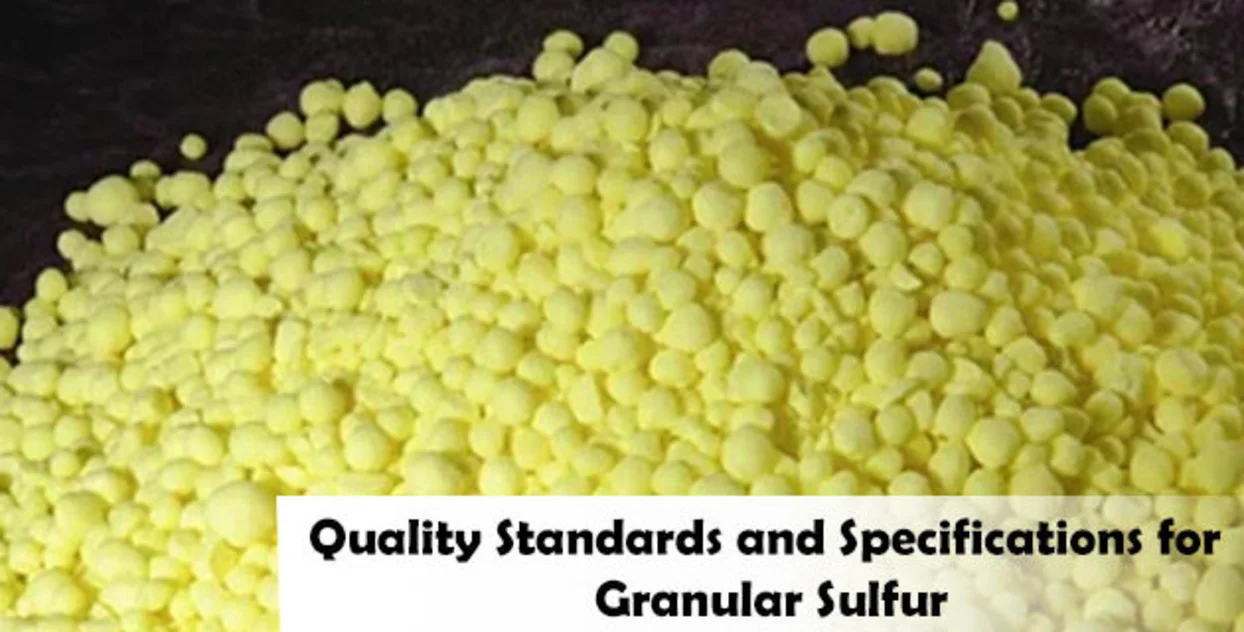
Industrial sulfur flake plays a critical role across multiple sectors, including agriculture, chemicals, rubber processing, mining, and energy. While sulfur is a common element, not all sulfur products perform the same. Purity levels, physical form, and production standards directly influence efficiency, safety, and end-use results. For buyers and technical decision-makers, understanding performance and purity standards is essential when selecting a reliable sulfur flake supplier.
This article provides an informative overview of industrial sulfur flake, the standards that define quality, and how performance characteristics translate into real-world applications.
Understanding Industrial Sulfur Flake
Sulfur flake is a solid form of elemental sulfur produced through controlled melting and flaking processes. Compared to powder or lump sulfur, flake sulfur offers advantages in handling, storage, and dosing. Its uniform shape allows for consistent melting behavior, reduced dust formation, and improved safety during transport.
Industrial sulfur flake is commonly used in sulfuric acid production, fertilizer manufacturing, rubber vulcanization, pulp and paper processing, and various chemical reactions. In each application, product consistency and chemical purity directly affect operational performance.
Why Purity Standards Matter
Purity is the most important indicator of sulfur flake quality. High-purity sulfur ensures predictable reactions, minimal residue, and reduced equipment fouling. Impurities such as ash, moisture, hydrocarbons, or heavy metals can cause processing inefficiencies, corrosion, or contamination in downstream products.
Most industrial applications require sulfur flake with purity levels of 99.5 percent or higher. For sensitive chemical or agricultural uses, even stricter thresholds apply. Reliable producers implement refining and filtration processes to remove unwanted materials before flaking, ensuring a clean and stable final product.
At industrial scale, small variations in purity can lead to significant cost impacts. Higher purity sulfur improves yield, reduces waste, and minimizes maintenance downtime. This is why global buyers increasingly prioritize documented quality standards over price alone.
Key Performance Characteristics
Beyond chemical purity, sulfur flake performance is influenced by physical and thermal properties. Particle consistency, flake thickness, and melting behavior all matter.
Uniform flake size allows for predictable feeding rates in automated systems. This is particularly important in large chemical plants where sulfur is continuously melted or reacted. Flakes that are too thick may melt unevenly, while overly thin flakes can break apart and generate fines.
Moisture content is another critical factor. Low moisture levels prevent clumping during storage and reduce the risk of microbial growth. Dry sulfur flakes also flow better through conveyors and hoppers, improving handling efficiency.
Thermal stability determines how sulfur behaves under heat. High-quality sulfur flake melts at a consistent temperature range and remains stable during heating cycles. This reliability supports precise temperature control in sulfuric acid plants and other heat-dependent processes.
Industry Standards and Quality Control
International sulfur producers typically align with recognized industrial standards, including ASTM and ISO-based specifications. These standards define acceptable limits for purity, ash content, moisture, and particle size distribution.
Quality control begins at raw sulfur sourcing and continues through refining, flaking, packaging, and shipment. Reputable manufacturers conduct laboratory testing on each production batch and provide certificates of analysis to customers. This transparency helps buyers validate compliance with internal and regulatory requirements.
Suppliers that invest in modern processing equipment and continuous monitoring systems are better positioned to deliver consistent sulfur flake quality at scale.
Applications That Demand High Performance
Different industries place different demands on sulfur flake performance. In fertilizer production, sulfur purity affects nutrient availability and soil performance. In rubber vulcanization, consistent sulfur behavior ensures uniform elasticity and strength. In chemical manufacturing, impurities can interfere with catalysts or alter reaction outcomes.
For exporters serving global markets, compliance with destination regulations is also critical. High-quality sulfur flake simplifies customs clearance and reduces the risk of rejected shipments due to specification mismatches.
Choosing the Right Supplier
Selecting the right sulfur flake supplier goes beyond checking purity numbers. Buyers should evaluate production capacity, quality assurance systems, logistics reliability, and technical support. Suppliers with export experience and a clear understanding of international standards offer long-term value.
Platforms like belirangkalisari.id highlight the importance of sourcing industrial sulfur flake from producers that prioritize performance, purity, and consistency. A strong supplier partnership ensures stable supply, predictable results, and reduced operational risk.
Conclusion
Industrial sulfur flake is a foundational material for many critical industries, and its performance is directly tied to purity and production standards. High-quality sulfur flake delivers better processing efficiency, safer handling, and superior end-product results.
For global buyers, understanding purity specifications, performance characteristics, and supplier quality systems is essential. By choosing sulfur flake that meets stringent standards, companies can improve productivity, reduce waste, and ensure compliance across international markets.
As demand for reliable industrial materials continues to grow, sulfur flake that meets high performance and purity benchmarks will remain a key driver of operational success.
