

Introduction
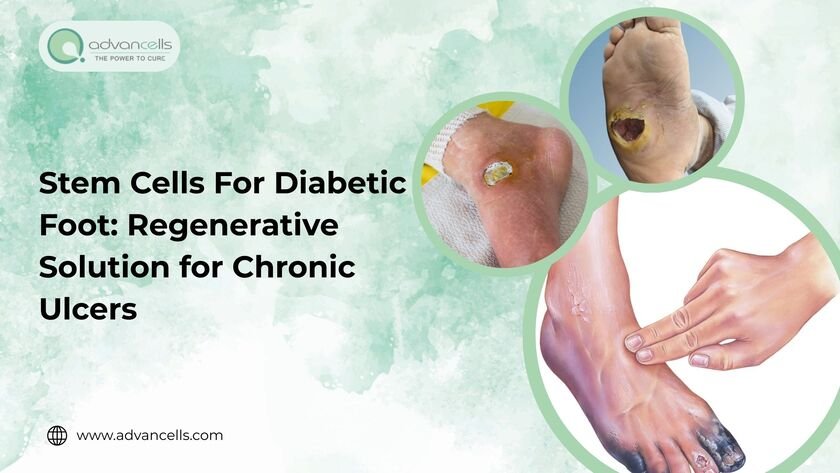
Diabetes incurs various complications, among which diabetic foot ulcers are among the most complicated ones. It affects millions of diabetes patients globally. High blood sugar over a prolonged time can damage nerves that disrupt blood vessels. This reduces sensation and slows wound healing significantly. Even occurrence of minor cuts or blisters can transform into chronic wounds, which can lead to non-healing ulcers. This condition, if it remains untreated, can lead to infection and amputation. Conventional treatment options, such as medications and management of blood glucose level focuses on managing symptoms rather than addressing the underlying cause. With the emergence of regenerative technology, Stem Cell Therapy for Diabetic Foot Ulcers is emerging as a promising solution and facilitates long-term healing.
What Is Stem Cell Therapy for Diabetic Foot?
Stem Cells Treatment For Diabetic Foot involves a regenerative approach that uses the body’s own cells to restore damaged tissues. In the case of diabetic foot ulcers, stem cells repair or replace the damaged cells. Stem cells for therapy are obtained from distinct sources such as:
- Bone Marrow
- Adipose (fat) Tissue
- Umbilical Cord Sources
The cells possess regenerative properties and transform into specific cell types in the presence of growth and healing factors. The aim is to address the problem at the root level rather than just dealing with symptoms.
Causes and Risk Factors of Diabetic Foot Ulcers
There are multiple causes and risk factors associated with diabetic foot. These include:
- Peripheral neuropathy reduces foot sensation, make injury remain unnoticed.
- Poor blood oxygenation limits the adequate supply of oxygen and nutrients at the injury site.
- Compromised immune system, unresponsive to any form of infection
- Improper footwear, foot deformities, and smoking further worsen the condition.
- A prolonged period of uncontrolled blood sugar remains the primary risk factor for the problem.
- It is essential to understand the risk factors so that patients take timely preventive measures before they become severe.
How Stem Cells Promote Healing at the Cellular Level?
Stem Cell Treatment for Diabetic Foot involves various biological mechanisms. They release various growth factors, modulate inflammatory response, and contribute to wound healing. This includes:
- Cell Regeneration and Tissue Repair: A stem cell gets differentiated into a distinct cell type. This aids in the regeneration of new cells and replaces damaged or dead cells. Moreover, the sustaining cells surrounding the wound area get an adequate supply of nutrients and oxygen, hence preventing them from getting damaged. Stem cells improve the cellular microenvironment.
- Angiogenesis and Improved Blood Supply: stem cells release various growth factors such as VEGF and FGF. These factors stimulate the formation of new blood vessels (angiogenesis), hence improving blood circulation. They activate fibroblasts and keratinocytes, responsible for skin repair.
- Anti-Inflammatory and Immunomodulatory Effects: stem cells regulate the body’s inflammatory responses by reducing harmful cytokines. Additionally, they enhance collagen production and extracellular matrix remodelling.
Hence, stem cell administration enables coordinated cellular activity. This accelerates wound closure and restores the structure of standard tissue; hence, stem cell therapy for diabetic foot can be highly effective.
Benefits of Stem Cell Treatment for Diabetic Foot Ulcers
Stem cells offer several advantages over conventional treatment options. The benefits are as follows:
- Faster closure of the wound and reduction of chronic inflammation at the wound site
- Improves blood flow, promotes oxygenation, nutrient supply, and lower risk of infection and tissue repair.
- Develops better skin quality and pain reduction
- Significant decreased risk of amputation
- Addressing the root cause of poor wound healing, stem cell treatment for diabetic foot enables long-term recovery, hence potentially improves a patient’s quality of life.

Stem Cell Therapy for Ulcers vs Conventional Treatments
Conventional treatment for diabetic foot ulcers includes wound dressing, antibiotics, debridement, and pressure offloading. These methods are essential but only manage the elevated symptoms. Stem Cells For Diabetic Foot is a regenerative approach that enhances natural healing and strengthens tissue regeneration.
What Patients Can Expect during Treatment?
- Detailed medical evaluation of the patient
- Clinicians assess wound severity, blood circulation, and overall health
- Collection of stem cells and their processing
- Stem cells injected at ulcer area
- Procedure is minimally invasive, generally performed outpatient basis
- Follow-up meeting, monitor healing process, and provide supportive wound care
Safety, Effectiveness, and Clinical Evidence
- Stem cell therapy is considered safe when performed in certified medical facilities.
- Some minimal side effects include mild swelling or discomfort
- Clinical studies showed improved wound closure rates and reduced amputation risks
- Results vary depending on patient health, ulcer severity, and treatment protocol
- Currently, there is a need for a larger clinical trial for ensuring long-term safety of patients
Cost, Accessibility, and Availability of Stem Cell Therapy in India
- The cost of stem cell therapy for diabetic foot in India might vary across the clinic depending on facilities, treatment complexity, and the cost for clinicians.
- Treatments are available in major cities such as Delhi, Mumbai, Chennai, and Bengaluru in specialised regenerative medicine centres.
- Insurance coverage might be available, subject to discussion.
Conclusion
Stem cells for diabetic feet are a form of advanced wound management. It efficiently addresses poor circulation, tissue damage, and inflammation at the wound site. It is essential to introduce early intervention and adequate diabetes management.
