

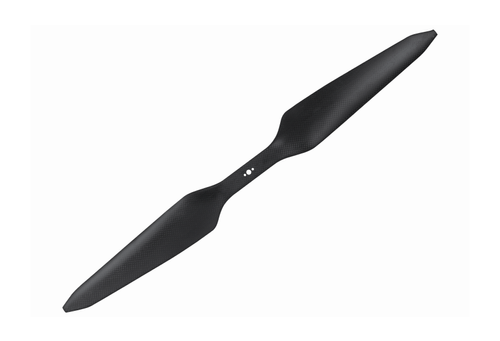
In the fast-paced world of drone technology, each component plays a vital role in ensuring top-notch performance. While propellers might often get overlooked, they are absolutely essential to a drone’s efficiency, stability, and maneuverability. Whether you’re a hobbyist, a professional drone operator, or even a manufacturer, knowing how to choose the right drone propellers can significantly boost your UAV’s capabilities. This article dives into the details of drone propellers, helping you make informed decisions for your flying adventures.
Understanding Drone Propellers and Their Importance
Drone propellers are the blades attached to the motor that generate lift, allowing the drone to soar through the skies. They come in various sizes, materials, and configurations, each impacting your drone’s performance in different ways. Choosing the right propellers is crucial, as they directly influence flight time, speed, and stability.
Key Factors in Choosing the Best Drone Propellers
1. Material: Propellers are typically made from plastic, carbon fiber, or composite materials, and each type has its own benefits. Plastic propellers are affordable and flexible, making them a great starting point for beginners. On the flip side, carbon fiber propellers are incredibly durable and perform exceptionally well, making them a favorite among professionals and competitive pilots.
2. Size and Pitch: The size of the propeller, measured in inches, determines how much thrust it can generate. Larger propellers offer more lift but may draw more power. Pitch, which refers to the angle of the blades, is also important; a higher pitch usually means faster forward speeds, but at the cost of battery life. Finding the right balance between size and pitch based on your drone’s specifications can really optimize its performance.
3. Number of Blades: While most drones use two-blade propellers for a good mix of efficiency and power, three or four-blade alternatives can offer extra lift and stability—especially in windy conditions. Just keep in mind that more blades can increase drag, which might cut into your flight time.
Advancements in Drone Propeller Technology
As drone technology continues to evolve, so too do propeller designs. Recent innovations are all about reducing noise, improving efficiency, and enhancing the overall flying experience.
– Quiet Propellers: Many drone operators are prioritizing noise reduction. Newer propeller designs use unique blade shapes and materials to keep noise to a minimum, making them perfect for urban environments or wildlife photography, where discretion is key.
– Foldable Propellers: For those who need a bit of convenience, foldable propellers are gaining popularity. They’re easy to transport and store without sacrificing performance, which is ideal for fieldwork or travel.
Optimizing UAV Performance with the Right Propellers
Picking the best drone propellers can take your UAV’s performance to the next level. Here’s how you can optimize your drone experience:
– Balance and Calibration: Ensuring your propellers are properly balanced is key to smooth and stable flights. Unbalanced propellers can cause vibrations, which not only affect image and video quality but could also lead to damage over time. Regular calibration helps maintain that balance and extends the life of your propellers.
– Regular Maintenance: Checking your propellers for wear and tear should be part of your regular drone maintenance routine. Don’t hesitate to replace damaged or worn-out propellers to keep your flights safe.
– Matching Propellers to Drone Type: Different drones are designed for specific tasks—whether it’s racing, photography, or delivery—so they may need specialized propellers. Make sure your props are compatible with your drone’s design and intended use.
Industry Trends and Future of Drone Propellers
The drone industry is always on the move, and propeller technology is leading the charge. Some exciting trends are emerging:
– Smart Materials: We’re seeing the development of smart materials that can adapt to different environmental conditions. These could potentially allow propellers to adjust their rigidity or flexibility, optimizing performance in varying situations.
– Eco-Friendly Designs: With growing environmental concerns, manufacturers are getting creative with biodegradable materials and energy-efficient designs for propellers, aligning with broader sustainability goals.
– Integration with AI: Imagine propellers that could integrate with AI systems to automatically adjust blade pitch and speed for optimal performance, adapting in real-time to flight conditions—that’s the future we’re moving toward.
In Conclusion, the best drone propellers are those that meet your unique needs and enhance your UAV’s performance. By understanding what influences propeller efficiency and keeping an eye on industry trends, you can make smart choices that elevate your drone experience. Whether you’re a hobbyist, a professional, or a manufacturer, investing in the right propellers is essential for unlocking your drone’s full potential.
