

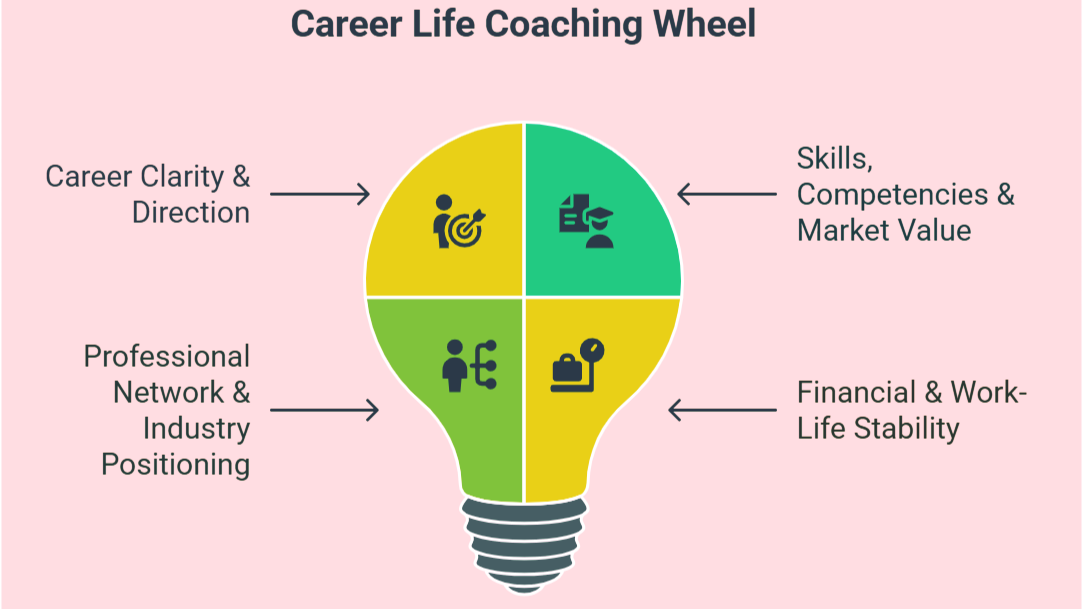
Reaching a point where your work no longer feels fulfilling can be unsettling. Many professionals eventually question whether their current roles still align with their values, energy, or long-term goals. If you find yourself considering a career change, you are far from alone. Shifting priorities, burnout, and the desire for more meaningful work have led many people to explore alternatives that offer both flexibility and purpose.
One profession that continues to attract career changers is life coaching, especially among those seeking autonomy, personal growth, and the opportunity to make a direct impact on others.
Why Life Coaching Appeals to Career Changers?
Life coaching has gained attention as a career path that supports both fulfillment and independence. It allows individuals to build on existing experience while transitioning into work that feels more aligned with who they are today and where they want to go next.
The Shift Toward Non-Linear Careers
Modern careers are no longer defined by a single role or industry. Professionals now change jobs, directions, and priorities multiple times throughout their working lives. This shift has normalized exploration and reduced the stigma once associated with leaving stable but unfulfilling roles.
As people compare different career change options, many place greater value on autonomy, flexibility, and purpose. Life coaching fits naturally into this mindset, offering a path that adapts to personal goals rather than forcing individuals into rigid career structures.
What Makes Life Coaching Different
Life coaching centers on helping individuals clarify goals, navigate challenges, and move forward with intention. The work is future-focused and collaborative, making it appealing to those who enjoy meaningful conversations, problem-solving, and supporting growth.
Unlike many traditional careers, life coaching allows individuals to define how they work. Certified Life Coaches often choose their schedules, areas of focus, and service formats. This flexibility makes coaching especially appealing during periods of transition, when balancing income, learning, and personal responsibilities is essential.
Transferable Skills That Support a Shift Into Coaching
Many career changers already possess skills that translate well into coaching. Backgrounds in leadership, education, healthcare, consulting, sales, or human resources often build strong communication and interpersonal abilities.
Skills such as active listening, asking thoughtful questions, and guiding conversations toward outcomes are central to effective coaching. Professionals who have navigated challenges themselves often bring valuable perspective, empathy, and credibility to their work with clients.
What to Consider Before Making the Shift?
While life coaching offers flexibility and purpose, it still requires thoughtful preparation. Understanding training expectations, income realities, and lifestyle implications helps ensure a smoother and more sustainable transition.
Training and Professional Credibility
Although life coaching is not a licensed profession, professional training plays an important role in effectiveness and trust. Structured programs help aspiring coaches develop core competencies, ethical awareness, and confidence in working with diverse clients.
Training also helps career changers move from informal advice-giving to structured coaching conversations. This distinction supports healthy boundaries and ensures that coaching relationships remain focused, ethical, and client-centered.
Income and Lifestyle Expectations
Income in life coaching varies widely depending on experience, specialization, and business approach. Many coaches begin part-time while maintaining another role, allowing for a gradual transition and reduced financial pressure.
Lifestyle considerations are often just as important as income. Coaching frequently offers remote work, flexible schedules, and greater control over workload. For individuals leaving rigid or high-pressure environments, these factors can significantly influence overall satisfaction.
Additional Perspective on Long-Term Growth
Beyond practical considerations, long-term success in coaching often depends on mindset and consistency. Building a coaching practice takes time, patience, and a willingness to refine Life coaching skills through real-world experience. Career changers who approach coaching with realistic expectations and a learning-focused attitude are more likely to stay engaged through early challenges. Over time, steady effort, client feedback, and continued development can create both professional confidence and sustainable momentum.
Is Life Coaching the Right Next Step?
Life coaching is not a perfect fit for everyone. It requires patience, self-motivation, and a genuine interest in supporting others. Those who enjoy personal development, reflective conversations, and continuous learning often find coaching deeply rewarding.
For individuals seeking autonomy, meaningful work, and long-term growth, life coaching can offer a professional direction that evolves alongside changing priorities and life stages.
Conclusion
Choosing to step into a new professional chapter takes courage and clarity. For those questioning their current path, life coaching presents an opportunity to build a career grounded in purpose and flexibility.
By leveraging existing skills, investing in proper preparation, and approaching the transition thoughtfully, coaching can become more than a temporary pivot. It can grow into a sustainable career that aligns with personal values and the desire to make a meaningful impact. For many professionals, this path represents a values-driven career evolution.
