

Table of Contents
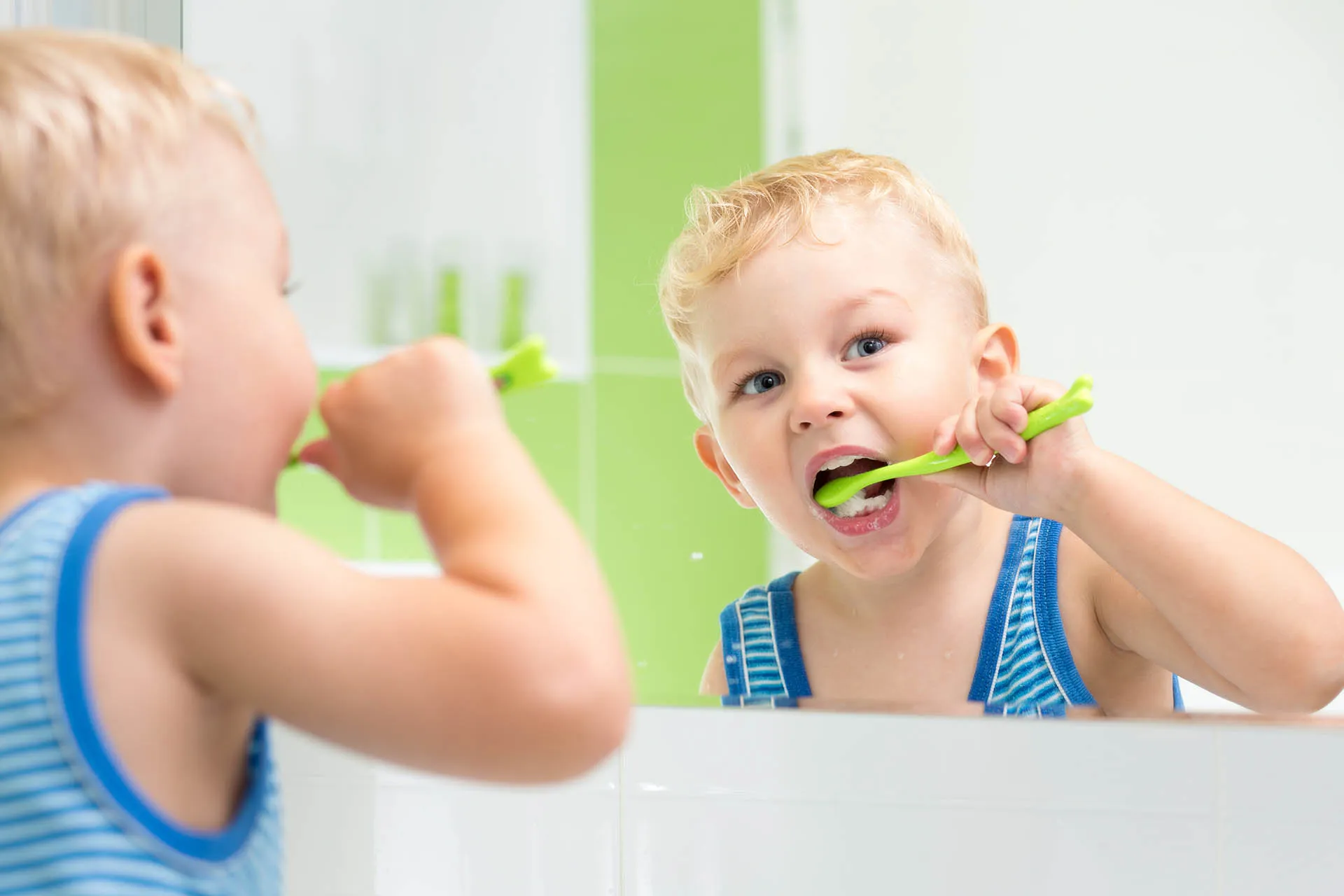
Helping children build strong brushing habits from an early age sets the foundation for a lifetime of healthy smiles. Parents often worry about whether they’re brushing correctly, how long to spend on cleaning, and how to get kids to stay still long enough to do it. The good news is that with a simple routine and the right techniques, brushing can become a stress-free part of everyday life. Below are twenty practical, research-backed tips that make caring for children’s teeth easier, safer, and more effective.
1. Start brushing from the very first tooth
The moment a child’s first tooth appears, plaque begins to form. Use a soft infant toothbrush or a clean cloth to gently wipe the tooth and gums. Early brushing helps kids become familiar with the routine.
2. Choose an age-appropriate toothbrush
Children need smaller brushes with ultra-soft bristles. A toothbrush that feels comfortable and fits well in their mouth improves both reach and cleaning efficiency.
3. Use the right amount of fluoride toothpaste
For children under three, only a smear the size of a grain of rice is needed. From three to six years old, use a pea-sized amount. Fluoride strengthens enamel and prevents decay, but using the correct quantity is essential for safety.
4. Make brushing fun
Turn brushing into a playful moment. Use music, a timer, or a reward chart. When brushing feels enjoyable, kids are more likely to cooperate and adopt the habit willingly.
5. Brush for a full two minutes
Many children brush for only a few seconds. A two-minute routine ensures every surface is cleaned. Consider using a two-minute sand timer or a child-friendly brushing app.
6. Teach the correct brushing technique
Show kids how to brush with small, gentle circular movements. Don’t forget the gumline, chewing surfaces, and the back teeth. Younger children will need guidance and supervision.
7. Replace toothbrushes regularly
Children should get a new toothbrush every three months, or sooner if bristles look frayed. Worn bristles cannot clean teeth effectively.
8. Supervise brushing until at least age eight
Most children do not develop the motor skills to brush thoroughly until they’re around eight years old. Adult supervision ensures proper brushing and safe use of toothpaste.
9. Brush twice a day, every day
Once in the morning and once before bed is ideal. Night-time brushing is especially important because food acids and sugars can remain on teeth during sleep.
10. Introduce flossing when teeth start touching
Brushing alone cannot reach between tight spaces. Start flossing as soon as two teeth touch, using child-friendly flossers to make the process easier.
11. Limit sugary snacks and drinks
Sugary foods feed cavity-causing bacteria. Offer water instead of juice and choose teeth-friendly snacks like cheese, yoghurt, nuts, and crunchy vegetables.
12. Encourage water as the main drink
Water helps rinse away bacteria and food particles. Fluoridated tap water also supports stronger enamel, giving kids added protection against cavities.
13. Avoid letting kids fall asleep with bottles or sippy cups
Milk or juice pooling around teeth while sleeping increases the risk of baby bottle decay. If needed, only water should be offered at bedtime.
14. Introduce dental check-ups early
Most dentists recommend booking a child’s first visit by their first birthday or when their first tooth erupts. Early visits catch potential problems sooner and help children feel comfortable in a dental setting.
15. Lead by example
Children copy what they see. Brush your own teeth with enthusiasm, and they’ll naturally want to join in. Family brushing time can make the routine feel normal and positive.
16. Let kids choose their own toothbrush and toothpaste
Children feel more involved when they pick their favourite colour, character brush, or mild-flavoured toothpaste. A sense of ownership boosts cooperation.
17. Teach them to spit but not rinse
After brushing, kids should spit out excess toothpaste but avoid rinsing with water. This helps fluoride stay on the teeth longer for better protection.
18. Watch out for signs of oral discomfort
If a child complains of tooth sensitivity, sore gums, or pain when chewing, it’s important to seek advice promptly. Early intervention prevents small issues from becoming bigger problems.
19. Understand the role of professional support
Paediatric dental teams guide parents through each stage of oral development. Regular check-ups, gentle cleanings, and preventive treatments like fissure sealants offer long-term protection for growing smiles.
20. Build habits slowly and consistently
A strong brushing routine doesn’t happen overnight. Be patient, supportive, and consistent. Celebrate progress, encourage independence, and keep the experience light and positive. When kids feel confident, they’re more likely to maintain healthy brushing habits as they grow.
Why Early Oral Care Matters
Children’s teeth may be temporary, but their importance is lifelong. Healthy baby teeth support speech development, proper chewing, and correct spacing for adult teeth. When oral hygiene starts early, parents reduce the risk of cavities, gum problems, and dental anxiety later in life. Creating a simple, enjoyable brushing routine protects not just the teeth but also a child’s overall wellbeing.
If you ever need guidance, the team at Smile Sanctuary Dental offers child-friendly support tailored to all stages of oral development. With early education and professional care, even the most reluctant brushers can develop strong, lasting habits.
When to See a Professional
Parents should book a visit with a Dentist Oatley if they notice bleeding gums, white spots, sensitivity, bad breath that doesn’t improve, or if their child finds brushing difficult. Regular visits help monitor baby teeth, assess jaw development, and provide preventive treatments that support long-term dental health.
Final Thoughts
Healthy brushing habits begin at home, but they grow stronger with patience, practice, and professional guidance. These twenty tips are designed to help parents make daily brushing easier and more effective while building confidence in young children. With the right approach, a child can learn to care for their teeth with pride, joy, and independence. Strong brushing habits today pave the way for healthy, confident smiles tomorrow.
FAQs
1. When should parents start brushing their child’s teeth?
Brushing should start as soon as the first tooth appears. Early cleaning helps remove plaque, prevents decay, and gets children used to the routine.
2. How long should kids brush their teeth for?
Children should brush for a full two minutes each morning and night. A small timer or brushing app can help make this easier.
3. Do kids need fluoride toothpaste?
Yes, fluoride helps strengthen enamel and prevent cavities. Under-threes need only a smear, while older children can use a pea-sized amount.
4. When should a child first see a dentist?
Most experts recommend the first dental visit by age one or when the first tooth comes through. Early visits support healthy development and detect problems early.
5. How can parents make brushing more enjoyable?
Use music, fun brushes, stories, or reward charts. When brushing feels playful, children are far more likely to cooperate and build lasting habits.
