

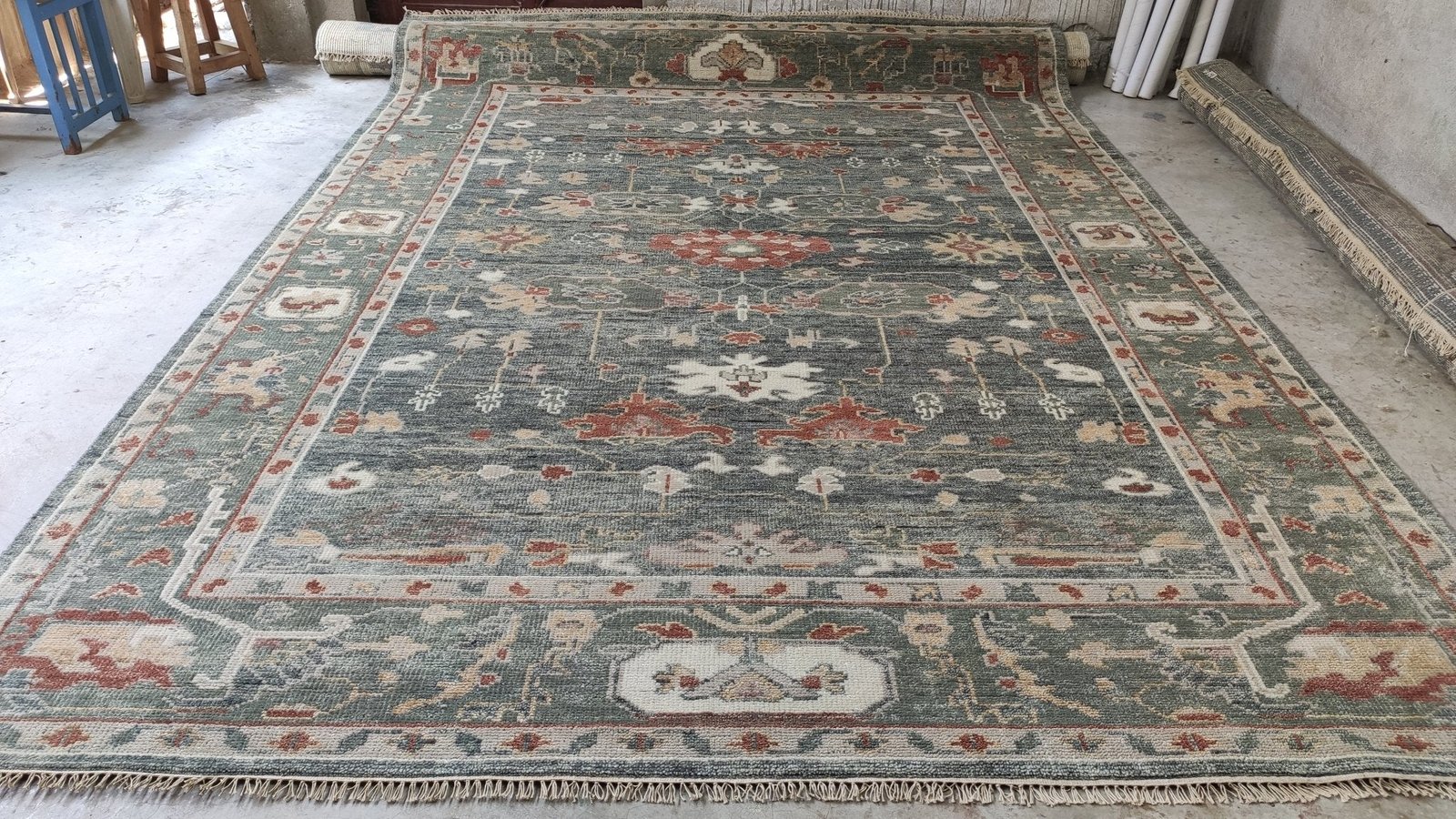
Modern homes in the United States often favor open layouts. Living rooms flow into dining spaces, and kitchens connect seamlessly with seating areas. While this creates a spacious feel, it also presents challenges when it comes to decorating. One of the best ways to define spaces and add warmth is with generously sized rugs.
Choosing the right rug can be overwhelming, especially with so many styles, sizes, and materials available. This guide will help you make confident decisions while keeping your design practical and visually appealing.
Understand Your Space First
Before picking a rug, measure your area carefully. Large rugs act as a visual anchor in open layouts, so their placement matters. You want the rug to highlight furniture rather than crowd it. For example, sofas and chairs should ideally sit on or at least partially on the rug.
For open living and dining spaces, consider 12×15 Rugs for Open Spaces. These sizes are perfect for unifying separate areas while maintaining balance. They provide enough coverage without overwhelming your room.
Consider Shape and Proportion
While rectangular rugs are classic, don’t shy away from round or oval options for circular seating areas. The rug should complement the room’s proportions. In wide-open spaces, a rug that is too small can feel lost. Conversely, a rug that’s excessively large can dominate the room and make it feel cluttered.
When in doubt, lay out painter’s tape on the floor to mimic the rug’s dimensions. This simple trick helps visualize how a 12×15 rug for open spaces will look before committing.
Choose the Right Material
Material choice affects comfort, durability, and maintenance. Wool rugs are soft and resilient, making them ideal for high-traffic areas. Synthetic fibers like polypropylene are stain-resistant and budget-friendly, perfect for homes with kids or pets. Natural fibers such as jute or sisal create a relaxed, organic feel but may require extra care.
Keep your lifestyle in mind. If your space sees frequent foot traffic, prioritize durability. A rug should last years while maintaining its look and texture.
Color and Pattern Selection
Color and pattern help define a room. Lighter rugs make spaces feel airier, while darker tones add intimacy. Patterns can anchor a seating area or visually connect different zones in open layouts. For example, a subtle geometric design can tie together the living and dining areas without overwhelming the eyes.
Layering rugs is another creative option. Use a larger neutral rug as a base and add smaller patterned rugs on top to introduce texture and contrast.
Maintenance and Care
Large rugs may look impressive but require maintenance. Vacuum regularly, spot-clean spills promptly, and rotate them periodically to prevent uneven wear. Choosing rugs made from stain-resistant fibers can make upkeep simpler, especially in a home with children or pets.
Consider professional cleaning every year or two. Maintaining your rug’s condition preserves its beauty and extends its lifespan, making your investment worthwhile.
Where to Find the Perfect Rug
Finding the right rug size can feel like a scavenger hunt. Many online retailers and local stores carry oversized options. If you are unsure about specific dimensions, check the availability of common large sizes.
For instance, many homeowners ask, Where to buy 9×12 rugs for slightly smaller sections in their open layouts. Stores in the United States often stock these, providing a variety of materials and patterns. A 9×12 rug can be ideal for secondary seating areas or under dining tables, complementing a larger 12×15 centerpiece rug.
Shopping Tips
When shopping, consider your room’s layout, furniture placement, and traffic patterns. Request fabric samples if possible. Seeing textures and colors in natural light can prevent buying a rug that doesn’t match your vision.
Don’t forget to measure carefully. Sometimes rugs look bigger in photos than they do in reality. Keep your tape measure handy, and visualize how the rug interacts with your existing furniture.
Budgeting Wisely
Oversized rugs can be an investment. However, prices vary based on material, origin, and craftsmanship. Decide on a budget before shopping to narrow down your options. Keep in mind that quality rugs often last longer and maintain their beauty over time.
Occasionally, you can find seasonal sales or discounts in local rug stores in the United States, which can make a large rug purchase more affordable without compromising quality.
Placement Ideas for Open Layouts
- Living Area: Place your largest rug under sofas and armchairs to define the living space.
- Dining Space Definition: A 12×15 rug can comfortably hold a dining table and chairs while maintaining an open feel.
- Mixed Seating Zones: Use rugs to create multiple conversation areas without visual chaos.
By strategically placing rugs, you can balance the openness of modern layouts with the cozy, inviting atmosphere that rugs provide.
Adding Personality with Accessories
Once your rug is in place, complement it with accessories. Cushions, throws, and smaller accent rugs can bring together your color scheme. Decorate with intention: let the rug inspire the rest of the room’s style rather than letting patterns clash.
Consider layering textures: a soft wool rug with leather seating and wooden furniture adds dimension and visual interest.
FAQ
Q1: Can a 12×15 rug fit in a medium-sized living room?
Yes, but it works best in open layouts where furniture isn’t cramped. Measure your space first.
Q2: Are 9×12 rugs suitable for smaller areas?
Absolutely. They can define secondary spaces like a reading nook or under a dining table.
Q3: How do I maintain a large rug?
Vacuum regularly, spot-clean spills immediately, rotate it occasionally, and consider professional cleaning annually.
Q4: Can I layer rugs in open layouts?
Yes, layering smaller rugs over a larger neutral rug adds texture, color, and dimension.Q5: Where should I buy large rugs in the United States?
Look for reputable local stores or online retailers that offer generous sizes and material options.
