

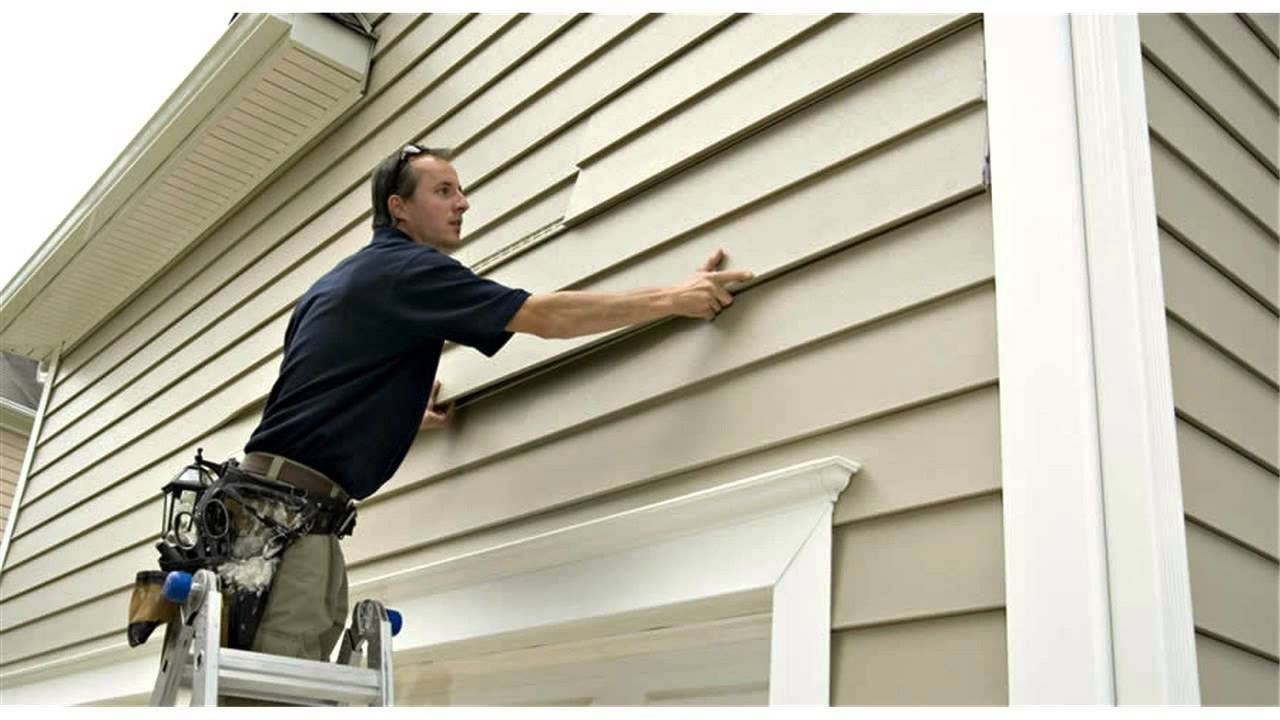
Your home’s siding is its first line of defense against everything the Midwest can throw at it. From blistering summer sun to icy winter winds and the occasional severe thunderstorm, your siding works hard year-round. But like any part of your home, it doesn’t last forever. Recognizing the signs that it’s time for an upgrade can save you from costly structural damage and help you maintain your home’s value and curb appeal. If you’re wondering whether it’s time for a new siding installation in Kansas City, this guide will walk you through the key indicators and the practical steps you can take next.
How to Tell If Your Siding Is Failing
Your siding won’t always send an obvious SOS. Often, the signs of wear are subtle, developing over years until a larger problem emerges. By knowing what to look for, you can address issues before they escalate into major repairs.
Visible Damage and Wear
The most straightforward signs are the ones you can see. Take a slow walk around your property, much like you would during a pleasant evening in Brookside or Waldo. Look closely at your siding’s surface.
Cracks, Holes, and Warping
Small cracks might seem cosmetic, but they are an open invitation for moisture and pests. In Kansas City, where we experience the full range of seasons, these small openings expand and contract with temperature fluctuations. This can let in driving rain during a spring downpour or snowmelt in January. Similarly, warped or buckled panels are a red flag. They indicate that the siding material has been compromised and may no longer be forming a protective seal against the elements.
Rot and Moisture Damage
For homes with wood-based siding, like many classic bungalows in the Historic Northeast, rot is a serious concern. Press gently on the siding with your thumb. If the wood feels soft or spongy, or if you can easily poke a screwdriver into it, the structural integrity is likely gone. Rot is not just a surface-level issue; it means water has penetrated the siding and could be damaging the sheathing and frame of your home.
Persistent Maintenance Issues
Sometimes, the problem isn’t a single, dramatic flaw but a constant battle against upkeep. If you feel like you’re constantly fighting a losing battle with your home’s exterior, it might be a signal for a more permanent solution.
Frequent Need for Repainting
A high-quality paint job on properly installed siding should last 8-10 years. If you find yourself needing to repaint every few years to cover peeling, flaking, or bubbling paint, the issue likely isn’t the paint itself it’s the siding underneath. Peeling paint is often a symptom of moisture trapped behind the siding or an aging surface that can no longer hold a coat of paint.
Recurring Mold and Mildew
A certain amount of grime is normal, but if you notice mold, mildew, or fungus persistently growing on your siding even after a thorough cleaning it could point to excess moisture retention. This is especially common on north-facing sides of homes that get less sun. While a professional siding power wash in Kansas City can handle surface-level growth, persistent recurrence suggests the material itself is holding moisture and fostering biological growth.
Interior Clues You Shouldn’t Ignore
Your home’s exterior problems often manifest on the inside. Pay attention to these subtle interior warnings; they can be the most telling signs of a major siding failure.
Unexplained Drafts and Rising Energy Bills
Do you feel a chill near your exterior walls even when the windows are closed? Have you noticed a steady, unexplained creep in your heating and cooling costs? Compromised siding creates tiny gaps and reduces your home’s overall insulation. This means your furnace and air conditioner have to work much harder to maintain a comfortable temperature, leading to higher energy bills throughout our hot summers and cold winters.
Peeling Wallpaper or Bubbling Paint Inside
Moisture that infiltrates your siding doesn’t stop at the outer wall. It can seep through to the inner sheathing and drywall, causing your interior wall coverings to peel or bubble. This is a clear sign that your home’s waterproof barrier has been breached. If you notice this, particularly on outside walls, it’s crucial to investigate the state of your siding immediately.
What to Do Next: Your Path to New Siding
Discovering that you need new siding can feel overwhelming, but the process is straightforward when you break it down into manageable steps. Taking timely action protects your investment and restores your peace of mind.
Step 1: Get a Professional Inspection
Before you make any decisions, your first move should be to contact a reputable, local siding contractor for a thorough inspection. A professional can do more than just confirm what you’ve seen; they can identify hidden problems you might have missed, like soft spots behind downspouts or insulation issues within the walls.
A trustworthy inspector will provide a detailed assessment of your siding’s condition, the state of the underlying structure, and an honest recommendation on whether a repair or a full replacement is the most cost-effective and protective solution for your home.
Step 2: Explore Your Material Options
Once you’ve decided to move forward with a replacement, the next step is choosing the right material. Today’s siding market offers a range of durable, attractive, and low-maintenance options that are perfect for the Kansas City climate.
- Vinyl Siding: A popular choice for its affordability, durability, and minimal upkeep. Modern vinyl doesn’t fade, warp, or crack like older versions and comes in a wide array of colors and styles.
- Fiber Cement Siding: Brands like James Hardie are exceptionally durable and resistant to rot, insects, and fire. It can be engineered to withstand Kansas City’s specific humidity and temperature swings and offers a beautiful, wood-like appearance without the constant maintenance.
- Engineered Wood: This option provides the classic look of wood with enhanced durability and resistance to moisture and insects. It’s a strong, versatile choice for many architectural styles.
A good contractor will help you weigh the pros and cons of each material based on your budget, your home’s architecture, and your long-term maintenance preferences.
Step 3: Understand the Process and Benefits
Knowing what to expect during the installation can ease any anxiety about the project. A professional crew will typically remove the old siding, inspect and repair the underlying sheathing, install a weather-resistant barrier, and then meticulously install the new siding.
The benefits of this investment are immediate and long-lasting:
- Enhanced Curb Appeal and Value: Your home will look refreshed and well-maintained, significantly boosting its resale value.
- Superior Protection: You’ll have a watertight shield against Midwest weather, preventing future rot and structural damage.
- Improved Energy Efficiency: New siding with proper insulation reduces drafts, leading to lower utility bills and a more comfortable living environment year-round.
- Reduced Maintenance: Say goodbye to frequent painting and constant worries. You can spend your weekends enjoying the City Market or a Chiefs game instead of on tedious home maintenance.
Taking the step to invest in a new siding installation in Kansas City is a powerful way to protect your home, enhance your comfort, and secure your investment for years to come. By recognizing the signs early and following a clear plan, you can navigate the process with confidence and look forward to enjoying a beautiful, resilient, and worry-free home.
