


A confident smile begins with a strong foundation. For those who have lost a tooth or several, dental implants offer a permanent, comfortable, and natural-looking solution. They’ve become the gold standard in restorative dentistry — but not all implants are the same. Choosing the right type is essential for long-term success and comfort. Whether you’re exploring options for a single missing tooth or full-mouth restoration, understanding the differences helps you make an informed decision. If you’ve experienced sudden tooth loss or discomfort, an emergency dentist can also help assess your oral health and determine the most suitable implant treatment.
What Are Dental Implants and How Do They Work?
A dental implants wimbledon treatment functions much like a natural tooth root, providing a stable foundation for replacement teeth that look, feel, and perform just like real ones. It’s a small titanium or zirconia post placed into your jawbone, providing a stable base for an artificial tooth or bridge. Once the implant fuses with the bone — a process known as osseointegration — it offers strength and stability unmatched by other restoration options.
They prevent bone loss, maintain facial shape, and make eating and speaking feel completely natural. For patients who suffer sudden tooth fractures or loss, an emergency dentist can stabilise the area and refer them for timely implant placement.
The implant system generally includes three parts:
- Implant post: Acts as the artificial root.
- Abutment: Connects the implant to the restoration.
- Crown or bridge: The visible part that completes the smile.
With proper care, implants can last decades — sometimes even a lifetime.

Image Source: The Dental Lounges – Wimbledon
Main Types of Dental Implants
Modern dentistry offers several implant options, each designed to address specific oral conditions and preferences.
1. Endosteal Implants
Endosteal implants are the most common type. They’re inserted directly into the jawbone using small titanium screws. These implants are ideal for patients with good bone density and healthy gums.
Once placed, the surrounding bone gradually integrates with the implant, creating a secure and lasting hold. After healing, a custom crown is fitted on top.
Advantages:
- Natural appearance and strong bite function.
- Excellent durability and stability.
Limitations:
- Requires sufficient bone height and density.
- Involves a minor surgical procedure.
For patients seeking long-term reliability, dental implants specialists often recommend this method as the first choice.
2. Subperiosteal Implants
When the jawbone is thin or unsuitable for endosteal placement, subperiosteal implants may be used. These sit beneath the gum but above the bone, supported by a metal framework.
This option is ideal for patients who wish to avoid bone grafting but still want a fixed solution.
Pros:
- Less invasive procedure.
- Faster recovery than traditional implants.
Cons:
- Slightly less stable than bone-anchored implants.
- May require maintenance over time.
Patients with limited bone mass often find this alternative both comfortable and effective.
3. Zygomatic Implants
For individuals with significant bone loss, zygomatic implants provide a specialised approach. Rather than anchoring in the jawbone, these implants are anchored in the cheekbone, which offers excellent support and density.
Because of their complexity, they must be placed by highly trained specialists. They are typically used for full-arch restorations where traditional implants are not possible.
Key Benefits:
- Eliminates need for bone grafting.
- Suitable for advanced cases of bone resorption.
Considerations:
- Longer healing time.
- Requires skilled surgical expertise.
4. Mini Dental Implants
Mini implants are narrower versions of traditional implants, designed for patients with smaller teeth or reduced bone volume. Their smaller size means the procedure is quicker and less invasive.
They’re commonly used to stabilise lower dentures or replace small missing teeth.
Benefits:
- Minimal surgical intervention.
- Shorter recovery period.
- Cost-effective in certain cases.
However, they may not be suitable for heavy biting forces or larger restorations.
Materials Used in Dental Implants
Implants are crafted from materials that integrate safely with the human body and resist corrosion.
- Titanium Implants: Titanium remains the most widely used implant material due to its strength, durability, and biocompatibility. It fuses naturally with bone, ensuring long-lasting results.
- Zirconia Implants: A newer, metal-free alternative, zirconia is ideal for patients with metal sensitivities or a preference for holistic solutions. It also offers excellent aesthetics, especially in front-tooth restorations.
When you consult with a dental implants expert, they’ll assess factors such as gum tone, bite force, and bone condition before recommending the right material for your needs.
One-Stage vs Two-Stage Implant Procedures
The implant process can vary depending on the case complexity and healing requirements.
- One-Stage Implants: In this approach, both the implant and abutment are placed simultaneously. This means fewer appointments and a faster restoration process.
- Two-Stage Implants: This traditional method involves placing the implant first, allowing it to heal and integrate before adding the abutment and crown. It’s ideal for cases requiring bone grafts or complex alignments.
In rare cases of implant emergencies, such as infection or trauma, an emergency dentist can intervene quickly to protect surrounding tissues and ensure the implant’s integrity.
Factors That Determine the Right Implant Type
Choosing the best implant involves more than aesthetics — it’s about matching your oral structure and health profile. Key factors include:
- Bone Density: Determines implant type and placement depth.
- Number of Missing Teeth: Single, multiple, or full-arch replacement options differ.
- Overall Health: Conditions like diabetes or smoking habits can affect healing.
- Budget and Timeline: Some procedures offer quicker recovery but may vary in cost.
- Aesthetic Goals: Colour, shape, and placement influence smile harmony.
At modern clinics offering dental implants, digital scans and 3D imaging allow dentists to plan with precision, ensuring each implant complements both function and appearance.
Aftercare and Maintenance Tips
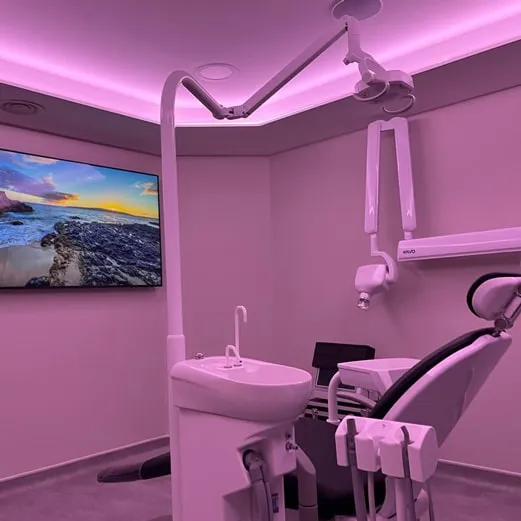
Image Source: The Dental Lounges – Wimbledon
Long-term implant success depends on daily care and professional follow-ups.
- Brush gently using a soft-bristled toothbrush twice daily.
- Floss or use interdental brushes to prevent plaque buildup.
- Avoid smoking, which can delay healing and weaken bone support.
- If you notice discomfort or swelling, consult an emergency dentist Wimbledon promptly.
These habits help ensure your implants remain strong and aesthetically pleasing for years.
Conclusion
Dental implants treatments are a long-term investment in your oral health, comfort, and confidence. With various types and materials available, each option is designed to suit different needs, ensuring a perfect balance of function and aesthetics. The right choice depends on your bone structure, lifestyle, and personal goals. At The Dental Lounge, we take pride in providing implant solutions that blend advanced technology with expert care, giving every patient a secure, natural-looking smile that enhances both appearance and everyday comfort for years to come.
