

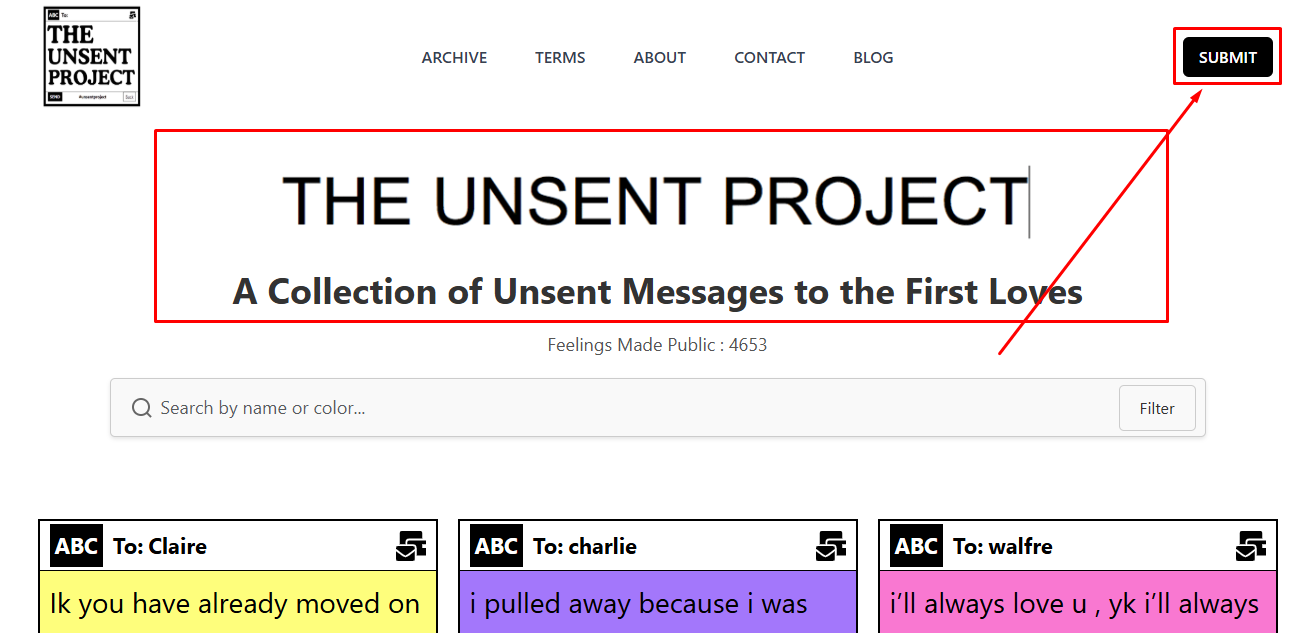
In a world where communication feels instant yet emotionally distant, countless thoughts remain trapped inside people words never spoken, confessions that tremble on the edge of honesty, apologies that arrive too late, and gratitude that never finds a voice. That emotional silence is the very reason the unsent message project has grown into a powerful digital movement, giving individuals a space to release the weight they’ve carried for months, years, or even decades. It isn’t just a trend—it’s a quiet revolution in emotional expression, mental well-being, and inner healing.
At its core, this concept provides a safe outlet for writing letters, notes, or reflections that are never actually delivered. It becomes a sanctuary where people can express anger without consequence, love without pressure, and closure without confrontation. The anonymity surrounding these messages often encourages deeper honesty than face-to-face communication ever could. Even once, when I submitted an anonymous reflection of my own, I felt an unexpected calm settle after letting those bottled-up words finally exist outside my mind.
What makes this concept so compelling is its blend of self-expression and self-protection. You get to speak your truth without fearing judgment, backlash, or misunderstandings. Unlike social media posts or direct messages, there is no expectation of response—only release. This is exactly why students, professionals, parents, partners, artists, and even therapists have embraced this outlet. It resonates universally because everyone has something they wished they could say… but don’t.
How This Movement Became a Global Emotional Outlet
Over the last few years, thousands of platforms—blogs, online journals, community pages, and curated social feeds—have surfaced, allowing people to share the messages they never sent. Some users treat it as a personal diary, while others post publicly to be part of a shared emotional experience. The fascination comes from seeing pieces of humanity that are raw, imperfect, and beautifully real.
There are recurring themes across these writings:
- Words left unsaid after heartbreak
- Apologies that never reached the right person
- Confessions that felt too heavy to speak aloud
- Gratitude for someone who never knew their impact
- Messages to loved ones who have passed away
- Anger directed at situations where the sender felt unheard
Each of these themes reflects why the movement has gained such traction. It fills a psychological gap between needing to express emotion and wanting a controlled, safe outlet to do so.
Why People Turn to This Outlet Instead of Direct Communication
Not everyone uses this approach for the same reason. Some want closure, some want freedom, and some simply want to feel understood without exposing their identity. A few of the most common motivations include:
- Avoiding conflict when expressing honest feelings might escalate tension
- Protecting relationships that cannot handle difficult truths
- Healing privately without involving others
- Reflecting deeply before deciding whether certain words deserve to be spoken aloud
- Letting go of emotional burden without expecting a reaction
The emotional safety it provides is perhaps its greatest strength. People don’t always need replies—they need release.
Different Ways People Engage With the Concept (Integrated Table)
To highlight how different formats support different emotional needs, here’s a comparison blended naturally within the article:
| Format / Approach | Best For | Emotional Impact | Accessible To |
|---|---|---|---|
| Anonymous Online Posting | Heavy emotional release | Vulnerability without fear | Anyone seeking a community outlet |
| Private Digital Journal | Long-term reflection | Builds emotional clarity | Individuals who prefer privacy |
| Handwritten Letters Never Sent | Closure or goodbye | Strong emotional catharsis | Those needing symbolic release |
| Creative Story-Like Messages | Artful expression | Transformation of pain into art | Writers, poets, and creatives |
| Audio/Video Unsent Messages | Processing trauma or grief | Releases suppressed tone/emotion | People comfortable with voice expression |
This variety is why the movement appeals to so many. It adapts to personal comfort levels and emotional styles instead of forcing one method of communication.
A Real-World Scenario That Shows Its True Purpose
Imagine a young woman named Areeba who spent months carrying unresolved guilt after ending a long-term relationship. She wanted to apologize but feared reopening old wounds. Her therapist encouraged her to write out everything she wished she had said. So she created an unsent note expressing remorse, gratitude, and the painful truth behind her decision.
When she finally finished writing, she didn’t send it—but she no longer felt haunted by what she left unsaid. That emotional clarity helped her move forward, rebuild confidence, and stop replaying the past. This scenario represents thousands of similar stories developed through this expressive practice.
What Sets This Movement Apart From Other Emotional Outlets
Plenty of tools exist for emotional expression: journaling, therapy sessions, meditation apps, voice notes, or even sharing with friends. But the power of unsent messages lies in its balance:
- You speak without consequence.
- You feel without explaining.
- You release without disrupting real relationships.
The unique value is the emotional freedom it offers. Many people say that after writing something they never intend to send, they feel lighter, clearer, and more grounded. It is a space where truth doesn’t hurt anyone, yet heals the one who writes it.
Another advantage is that it lets people revisit their drafts later. Sometimes, after reading their message again days or weeks later, they discover that what once felt urgent no longer holds the same emotional weight. This reflective distance prevents impulsive communication and encourages emotional intelligence.
Why It Matters in Today’s Fast-Paced, Emotionally Disconnected World
Daily life pushes people to keep going—even when emotions feel overwhelming. The pressure to appear strong, stable, and constantly productive leaves little room for vulnerability. That is why digital emotional outlets matter more than ever. They create a controlled space where human emotion can exist without interruption, judgment, or consequence.
Mental health professionals have also noted benefits:
- Improved emotional regulation
- Better decision-making
- Reduced anxiety after naming hidden feelings
- Greater self-awareness
- Enhanced ability to communicate in real conversations later
This outlet does not replace therapy or interpersonal communication, but it complements them by making individuals more aware of what they truly feel.
Related: Latest Business News and Trending Business Updates Today
Conclusion
The unsent message project represents a quiet but meaningful shift in how people process emotions. It encourages honesty without chaos, self-expression without fear, and healing without confrontation. Whether someone chooses an anonymous post, a private letter, or a creative message format, the process gives them room to breathe emotionally. In an age when genuine conversations feel rare, this simple practice provides a compassionate bridge between silence and expression—allowing people to let go of what once weighed them down.
FAQs
1. Is this concept only for people going through heartbreak?
No. It helps with grief, guilt, closure, gratitude, unspoken love, disappointment, or any emotion that feels too heavy to say aloud.
2. Can writing unsent messages really help with emotional healing?
Yes. Studies show that expressive writing lowers stress levels, increases clarity, and supports cognitive processing of difficult emotions.
3. Should I ever send the message afterward?
It depends. Some people realize their feelings change after writing. Others decide sending it may reopen wounds. The unsent approach gives you time to reflect before choosing.
4. Can this be used alongside therapy?
Absolutely. Many therapists recommend it for clients who struggle to articulate feelings during sessions.
5. Is anonymity necessary?
Not at all. Some prefer privacy; others share publicly for community validation. Both approaches are valid.
