

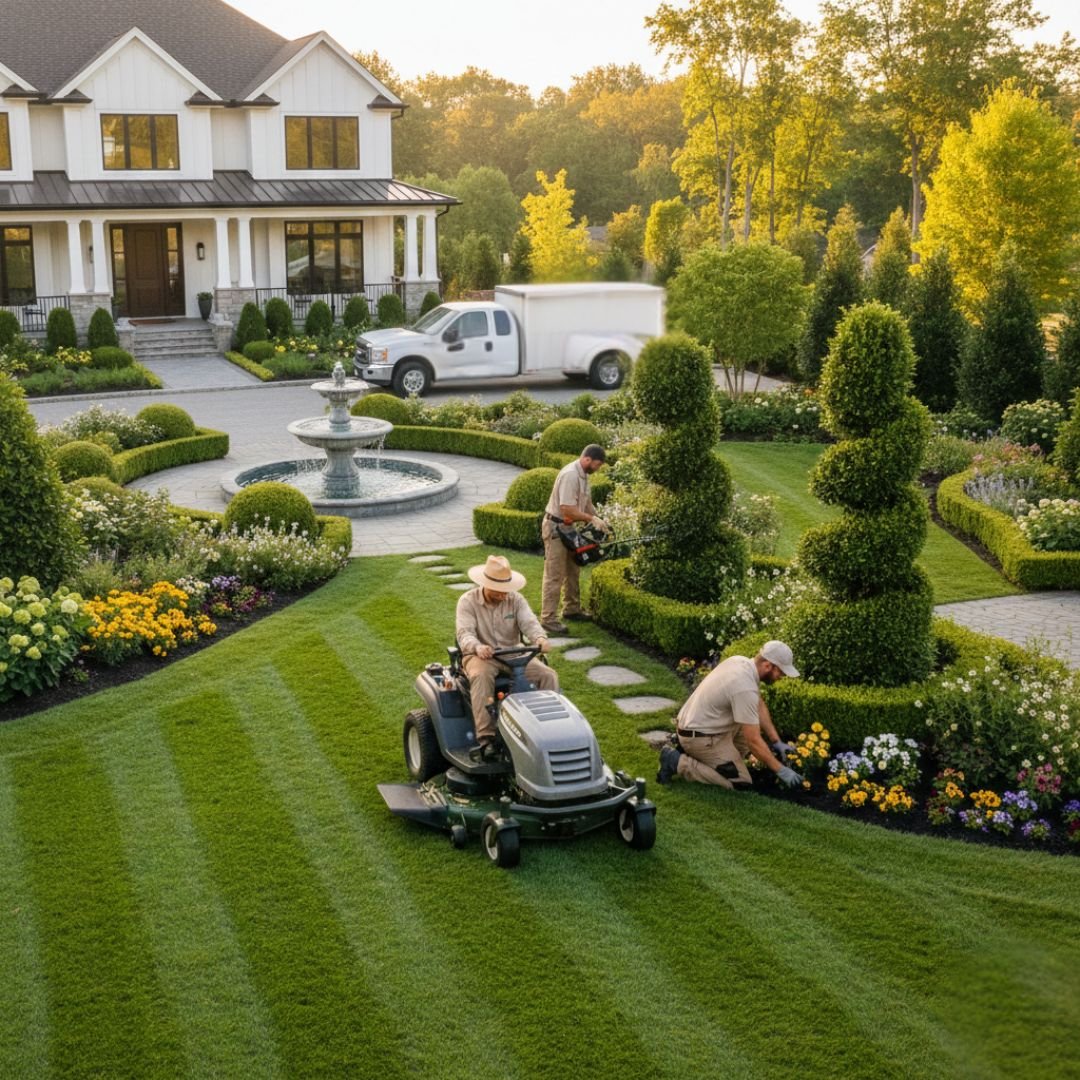
Modern outdoor spaces have evolved beyond simple lawns or patios into carefully considered extensions of homes. They are designed not only for aesthetic appeal but also for relaxation, socializing, and connecting with nature. Creating such spaces requires thoughtful planning, attention to detail, and practical design choices that balance functionality with beauty. Engaging professional landscaping service can help craft outdoor areas that are both inviting and practical, regardless of size or setting.
The Importance of Simplicity in Modern Design
One of the key characteristics of contemporary outdoor spaces is simplicity. Rather than filling the area with numerous decorations, furniture, or plants, modern designs emphasize clean lines, uncluttered arrangements, and visual balance. This approach opens up even small areas, making them feel spacious and organized. Simple layouts also make maintenance easier and allow homeowners to enjoy the space without feeling overwhelmed.
Organizing Functional Zones
A modern outdoor area often consists of several functional zones. These can include dining corners, seating areas, outdoor kitchens, play spaces for children, or even small meditation spots. Proper zoning ensures that the space can serve multiple purposes without appearing crowded. Professional landscaping service providers plan the layout carefully so each zone flows naturally into the next, making the area feel harmonious and well-structured.
Selecting the Right Plants
Plant choice plays a central role in outdoor design. For modern spaces, low-maintenance and native plants are often preferred. Native species are better adapted to local conditions, require less water, and support local biodiversity. Compact shrubs, ornamental grasses, flowering plants, and small trees can add color, texture, and seasonal interest without overwhelming the area. The careful arrangement of plants also helps define zones, create focal points, and soften hard edges.

The Role of Lighting
Lighting is an essential element of modern outdoor design. Beyond visibility, lighting enhances ambiance, highlights features, and extends the usability of outdoor spaces into the evening. Soft pathway lighting, spotlights for trees, and accent lights for water features or sculptures create a layered and dynamic effect. Thoughtful lighting improves safety and allows homeowners to enjoy their outdoor areas comfortably at any time of day.
Integrating Hardscapes
Hardscaping, which includes patios, walkways, decks, pergolas, and retaining walls, adds structure and practicality to outdoor spaces. These elements provide stable surfaces for walking, seating, and entertainment while offering contrast to greenery. Materials such as natural stone, concrete, or treated wood are popular for their durability and aesthetic appeal. When integrated thoughtfully, hardscapes create a cohesive and functional layout that complements the natural elements of the space.
Water Features for Tranquility
Water features such as fountains, small ponds, or waterfalls are popular in modern outdoor spaces. They create a focal point and contribute to a calming atmosphere. The sound of moving water can mask external noise, making the area more serene and peaceful. Even in smaller areas, a compact water feature can transform the ambiance and elevate the overall design of the space.
Choosing Furniture and Accessories
Furniture should be both functional and harmonious with the outdoor environment. Materials that withstand weather conditions, simple geometric shapes, and neutral tones are often chosen for modern spaces. Accessories such as planters, cushions, and outdoor rugs can introduce texture and color without overcrowding the area. Modular seating arrangements or lightweight furniture allow flexibility and adaptability for different uses or gatherings.
Incorporating Technology
Technology is increasingly becoming part of modern outdoor design. Automated irrigation systems, smart lighting, and outdoor audio setups make it easier to manage and enjoy the space. These technologies help maintain plant health, enhance safety, and improve comfort. Smart integration ensures the space remains practical while adding convenience and efficiency.
Creating a Seamless Connection with Indoors
Modern outdoor spaces often blur the line between indoor and outdoor areas. Features like large sliding doors, glass walls, or open terraces create a seamless transition that allows natural light to enter the interior while extending living areas outward. This integration gives the impression of a larger space and creates a sense of continuity between the home and the outdoors.
Sustainability and Long-Term Planning
Sustainability is an important consideration in modern outdoor design. Using drought-resistant plants, water-efficient irrigation systems, and durable materials ensures that the space remains healthy and functional with minimal environmental impact. Proper planning also reduces maintenance needs and helps maintain the appearance and usability of the outdoor area over time. These choices make the space both eco-conscious and practical for everyday use.
Why Professional Expertise Matters
While homeowners can attempt small outdoor projects, professional guidance ensures a successful outcome. Experts in landscaping service assess factors such as soil quality, light exposure, plant compatibility, and structural integrity to design spaces that thrive over time. Their knowledge helps avoid common pitfalls and ensures that the space is visually balanced, functional, and enjoyable. A well-designed outdoor area can become a peaceful retreat, a social hub, or both, and Pranaa has illustrated how thoughtful greenery can transform even small spaces into inspiring environments.
Conclusion: Transforming Outdoor Spaces with Thoughtful Design
A modern outdoor space stands out when it balances aesthetics, functionality, and practicality. Clear lines, defined zones, carefully selected plants, lighting, and durable structures all contribute to creating an area that is both visually appealing and useful. Engaging professional landscaping service ensures that all elements work together seamlessly. Even compact outdoor spaces can be elevated into serene, versatile, and inviting environments that enhance daily living.
FAQs
Q1: Can small outdoor spaces achieve a modern look?
Yes, careful planning, strategic plant placement, and organized zones can give even small areas a modern, open feel.
Q2: How important is plant choice in outdoor design?
Plant selection is key for aesthetics, maintenance, and sustainability. Native or low-maintenance plants are often ideal.
Q3: Are water features suitable for compact spaces?
Yes, even small water features can create a calming atmosphere and serve as a visual focal point.
Q4: Does outdoor lighting affect the design?
Absolutely. Lighting enhances ambiance, highlights key elements, and allows safe use after dark.Q5: Does professional landscaping service make a difference?
Yes, experts ensure that design, structure, and plant care are carefully coordinated, resulting in a functional and attractive outdoor area.
