

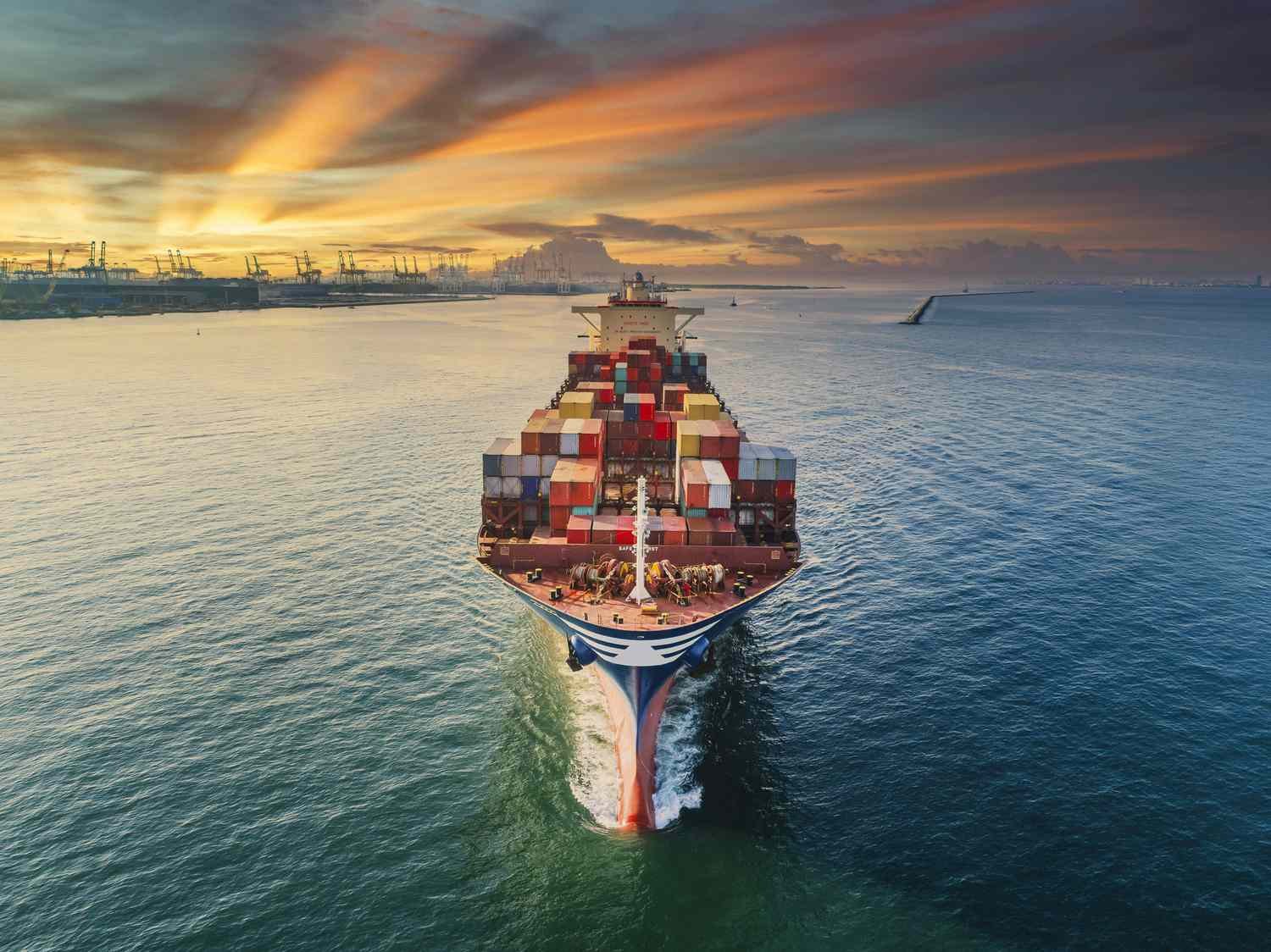
When people hear the phrase “global trade policies,” they often think of large corporations, international ports, and massive cargo ships moving goods across oceans. But the truth is this: global trade policies affect everyone in the supply chain—even the smallest local shipper. Whether you’re sending products to a neighbouring city or managing a small distribution operation, the rules that govern international trade still influence your costs, delivery times, and business stability.
Today’s world is more connected than ever. Local businesses depend on materials, components, and partnerships that often originate far beyond their own borders. Because of this, global policies—tariffs, import rules, customs regulations, trade agreements, and transportation requirements—shape the environment in which all shippers operate.
In this blog, we’ll explore why global trade policies matter, how they impact even the smallest shippers, and what steps businesses can take to stay informed and resilient.
Understanding Global Trade Policies
Global trade policies are the rules and agreements that govern how goods move between countries. They include:
- Tariffs and taxes
- Customs processes
- Import and export restrictions
- Safety and quality requirements
- International trade agreements
- Environmental and labour regulations
These policies are created by governments, global organisations, and trade alliances. Their purpose is to protect markets, ensure fair trade, maintain safety, and create economic balance. But they also influence how easily—and affordably—goods can cross borders.
Most local shippers don’t deal directly with international transactions. However, they still feel the ripple effects each time a product, material, or service they rely on crosses a border.
The Ripple Effect: How Global Policies Impact Local Shipping
Even if a business ships only within the same state or city, global trade still affects them. Why? Because supply chains are interconnected.
Here’s how those ripple effects show up:
1. Changes in Costs
When tariffs rise or trade agreements shift, the price of imported goods often increases. This affects:
- Packaging materials
- Machinery and tools
- Raw ingredients
- Replacement parts
- Electronics
- Fuel costs indirectly
Local shippers often absorb these costs without realising global policy changes are the source.
2. Delays in Supply Chains
International regulations can slow down imports. Even small businesses may struggle if they rely on:
- Overseas manufacturers
- Foreign-made equipment
- Imported components
Delays anywhere in the supply chain eventually impact local delivery schedules.
3. Shifts in Market Competition
When global trade rules change, certain products become cheaper or more expensive. That means:
- Local businesses may face new competition
- Industries may shift their sourcing regions
- Some products may suddenly become less profitable
Understanding these trends helps small shippers prepare rather than react.
Why Every Shipper Should Pay Attention
Even if you run a small local warehouse or operate a regional delivery service, staying aware of global trade matters. Knowledge leads to better planning and fewer surprises.
Here’s why attention is crucial:
Predicting Cost Fluctuations
If you know tariffs might rise on materials you use, you can stock up early or renegotiate contracts.
Protecting Your Delivery Promises
Awareness helps you prepare for possible delays and communicate more effectively with customers.
Making Smart Procurement Decisions
Businesses that understand global trends are often quicker to switch suppliers or diversify sourcing.
Strengthening Resilience
Being informed lets you build backup plans, protect profits, and maintain reliable service.
The Role of 3PL Providers in Navigating Trade Policies
Managing the effects of global trade can be complex. That’s why many shippers—large and small—rely on third-party logistics partners to help keep operations running smoothly.
A reliable 3PL Logistics Company provides expertise in warehousing, transportation, compliance, customs, and supply chain management. They stay updated on global regulations so their clients don’t have to, ensuring shipments move efficiently and meet all required standards.
For local shippers, partnering with a 3PL brings clarity and stability—even during times of global uncertainty.
Trade Policies That Affect Local Businesses the Most
While dozens of global policies exist, some have a more direct impact on everyday shipping operations.
Tariffs
A tariff is a tax on imported goods. When tariffs rise, so do prices. Even if your business doesn’t import directly, your suppliers might—and those extra costs usually get passed down.
Customs Regulations
Strict rules at international borders can cause delays. If parts or materials get stuck in customs, your production schedule suffers.
Trade Agreements
Free trade agreements help reduce taxes and simplify shipping. When agreements change or end, supply chains must adapt quickly.
Environmental Regulations
New environmental standards can impact manufacturing processes, packaging materials, or transportation methods worldwide.
Labour Rules
Global labour policies can change production costs, affecting markets far beyond the origin country.
How Global Policies Influence Local Delivery Times
Shipping delays are not always caused by local issues. Sometimes the slowdowns come from global events such as:
- Port congestion
- Increased customs inspections
- Sudden regulatory changes
- Stricter import requirements
- Political conflicts
- International shortages
These delays trickle down to local shippers, making it important to understand what’s happening beyond domestic borders.
The Importance of Compliance
Compliance is essential not just for international companies but for every shipper involved in the supply chain. Local businesses may unknowingly violate regulations if they use imported goods that do not meet updated standards.
Non-compliance can lead to:
- Fines
- Delayed shipments
- Disrupted supply chains
- Loss of customer trust
Working with trained logistics professionals helps minimise risks.
How Local Shippers Can Stay Prepared
You don’t need to be a global expert to understand trade policy impacts. A few smart strategies can help you stay ahead.
1. Build Relationships With Reliable 3PL Partners
A knowledgeable logistics provider can guide you through changing conditions. For example, many businesses benefit from working with experienced regional specialists such as 3PL California to navigate regulations, improve shipping efficiency, and maintain compliance.
2. Stay Informed Through Industry Updates
Follow trade groups, logistics news, and business associations to stay aware of major policy changes.
3. Diversify Suppliers
Relying on one supplier—especially an offshore one—leaves you vulnerable. Build a network of alternatives.
4. Improve Inventory Management
Keeping safety stock or adjusting reorder points helps offset unpredictable global delays.
5. Strengthen Communication With Customers
When you understand what’s happening globally, you can provide clearer updates and manage expectations.
The Future of Global Trade and Local Shipping
Trade policies evolve constantly, influenced by:
- Economic shifts
- Technological advancements
- Sustainability efforts
- Political climate
- Global events
As policies change, local businesses must adapt. The growing emphasis on sustainability, for example, may lead to stricter packaging rules or new emissions standards for transportation. Digital customs systems may speed up border processes, benefiting even small shippers.
Why Understanding Trade Policies Gives Local Shippers a Competitive Edge
Knowledge is a powerful advantage in any industry. Understanding global trade trends helps local shippers make better decisions, avoid disruptions, and offer more reliable service.
Businesses that stay informed can:
- Price more accurately
- Build stronger supply chains
- Respond faster to market changes
- Provide superior service compared to competitors
- Protect profits even during global instability
This kind of foresight builds trust and long-term customer loyalty.
Conclusion: Local Shippers Are Part of a Global System
Even if your business ships only within your region, you are part of a global system. Materials, technology, fuel, equipment, and packaging often come from around the world. Because of this, global trade policies affect everything—from cost to delivery timelines to business planning.
Understanding these policies helps local shippers prepare, respond, and thrive, even when global conditions shift. With the support of skilled logistics partners, smart planning, and awareness of global trends, local businesses can stay strong, competitive, and resilient no matter what the international market brings.
