

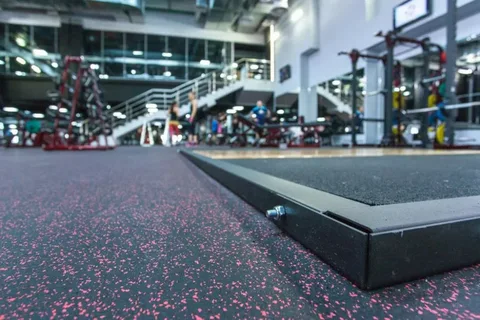
When you build a gym in Dubai, choosing the right thickness for your rubber flooring is more than just a design decision — it’s a matter of safety, durability, and performance. Rubber that is too thin may not absorb the impact of dropped weights or heavy machines, which could damage your subfloor or create loud noise. On the other hand, overly thick rubber can be heavier, more expensive, and harder to install, without giving you extra benefit if you don’t need it. Striking the right balance is essential for creating a gym that’s both functional and long-lasting.
Matching Thickness to Your Gym’s Activities
First, imagine how your gym will be used. In a cardio or machine-dominated space, the demands on the floor are quite different than in a free-weight or power-lifting room. For lighter workouts — treadmills, bikes, or bodyweight exercises — a thinner rubber roll typically provides sufficient cushioning. The shock absorption at this thickness helps reduce vibration and ensures that machines don’t scratch or damage the concrete beneath.When your gym includes moderate strength training or free weights, the need for better protection and impact absorption grows. Rubber tiles of intermediate thickness are a smart choice here, as they cushion foot traffic and moderate drops, while giving a stable, resilient surface for lifting.
Noise, Safety, and Comfort: What Thickness Brings You
Thicker rubber gives you more than just protection; it gives peace of mind. When weights hit the ground, a floor that is thick and dense absorbs more of the energy, which not only protects the concrete but also cushions the joint impact for lifters. In buildings like apartment complexes or commercial centers, that impact-absorbing quality translates into less noise escaping the gym — a huge benefit in a city like Dubai where neighboring units might be sensitive to racket.
Subfloor Matters — Don’t Ignore What’s Underneath
Your subfloor plays a major role in determining how thick your rubber flooring should be. If the gym is being installed over concrete — which is common — you’ll benefit most from a thicker rubber layer to absorb impact and avoid damaging that hard base. In contrast, if your gym is built on a raised or wooden subfloor, you may not need to go as thick, because the subfloor itself offers some cushioning. Still, even in that case, a relatively thick rubber tile provides resilience and stability, especially under dropped weights or moving machines.
How to Balance Cost and Performance
Budget is always a factor. Choosing super-thick rubber flooring everywhere will protect your subfloor brilliantly, but the costs (material, shipping, installation) go up quickly. To be smart, many gym owners follow a tiered approach: they put thicker, heavy-duty rubber in high-impact zones, and use thinner rolls or tiles in areas with moderate usage. That way, you’re not wasting money where you don’t need the extra protection, but you are investing in strength and longevity where it matters.
Types of Rubber Flooring and Ideal Thickness for Each
There are different forms of rubber flooring — rolls, mats, tiles — and each has a “sweet spot” when it comes to thickness related to gym use. Rubber rolls tend to be thinner and are great for general workout areas, offering a continuous, seamless surface without many joints, which is ideal for areas with machines or functional training. Rubber tiles or mats, however, are better in zones where impact protection is needed, because tiles can be very thick and dense, designed specifically to cushion dropped weights and unlike PVC flooring Dubai, they deliver superior shock absorption in high-impact weightlifting zones.
Practical Recommendations for Dubai Gyms
For a gym in Dubai, a practical and effective strategy is to design zones with different flooring thicknesses based on use. In cardio and light equipment areas, use rubber rolls of moderate thickness so that machines feel stable and the floor cushions vibrations. In general strength zones with free weights, choose medium-thickness rubber tiles that balance protection and cost. For powerlifting or Olympic lifting areas where weights are dropped, go for heavy-duty rubber tiles or slabs that reliably absorb impact and preserve the concrete beneath.
Maintenance and Long-Term Care
Once your rubber gym flooring is installed, maintaining it properly will help it stay in great shape. Clean the floor regularly with mild, non-aggressive cleaners so you don’t break down the rubber. Inspect the surface periodically for signs of compression or wear, especially in high-impact areas. And if parts of the floor ever need replacing, having modular tiles makes it easier to swap just the worn sections, instead of tearing up the whole floor.
Final Thoughts
Choosing the right thickness for your rubber gym flooring in Dubai is not a one-size-fits-all decision. It’s about understanding the demands of your gym, balancing protection with cost, and tailoring your setup so that each zone has flooring suited to its use. A properly-thought out thickness plan gives you a gym floor that is safe, durable, and comfortable for all kinds of workouts and that investment will pay off in the long run.
