
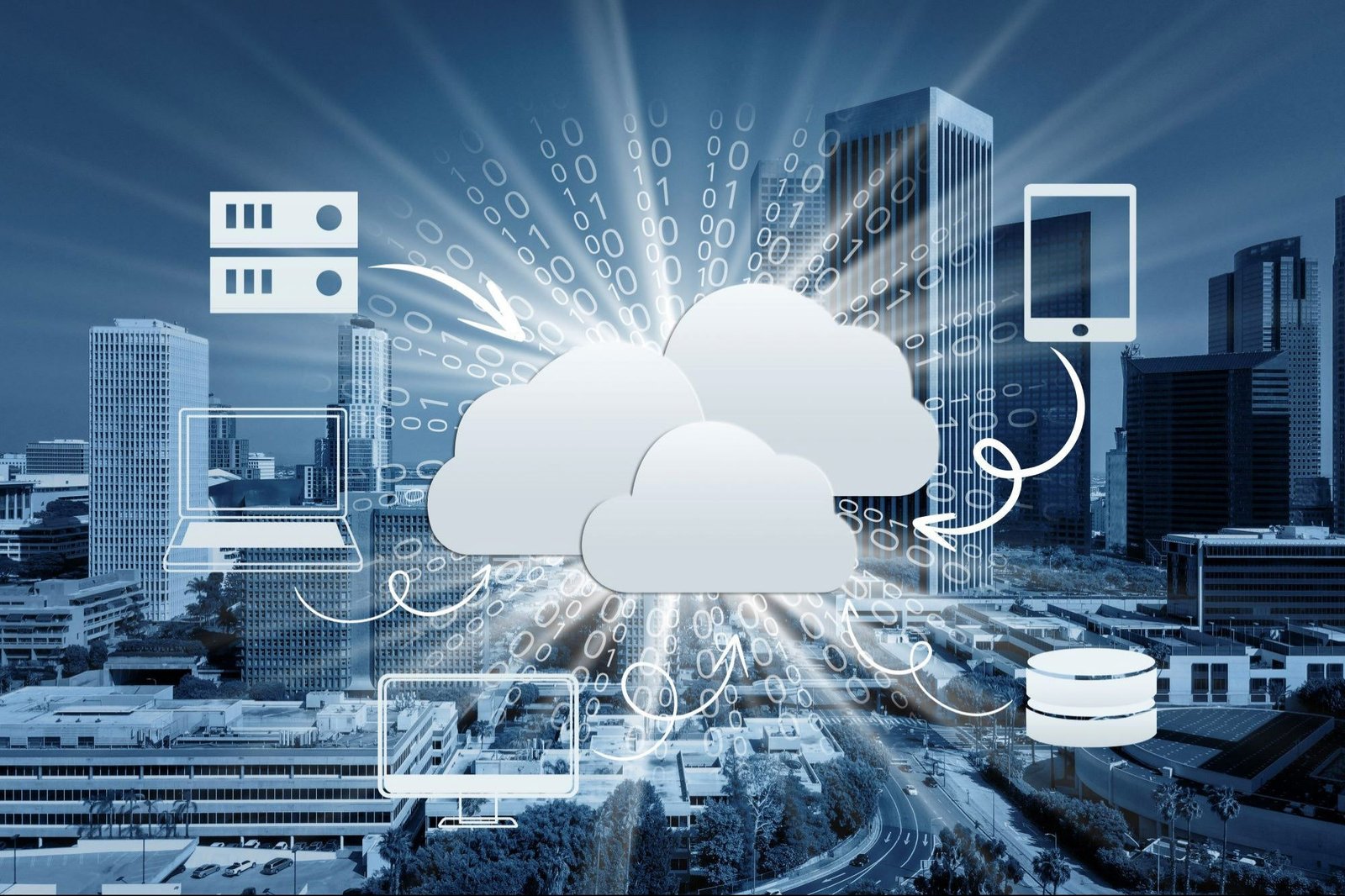
Business owners face a critical decision nowadays. They need to choose between traditional local IT systems and modern cloud computing solutions. This choice shapes everything from daily operations to long-term growth. Local IT means maintaining physical servers in your office. Cloud computing means accessing resources through the internet. Most companies now lean toward cloud technology.
Understanding these advantages helps you make informed decisions. With more than 90% of organizations, your competition has probably already moved to the cloud. The question isn’t whether to switch anymore. The real question becomes when and how to make the move.
This article explores the key benefits driving this massive shift. You’ll discover why cloud solutions dominate modern business infrastructure.
1. Cost Savings That Actually Matter
The biggest benefit of Cloud computing is that it eliminates huge upfront investments, as you don’t need to buy expensive servers anymore and you don’t need to set up cooling systems. Your company avoids purchasing backup generators. Traditional IT requires massive capital expenditure. Cloud services work on a subscription model instead.
Predictable Monthly Expenses
Your budget becomes easier to manage with cloud solutions. Monthly bills stay consistent and transparent. You pay for what you use. Therefore, scaling up or down simply means that you will pay more or less because of that. No surprise maintenance bills appear unexpectedly. Traditional servers break down without warning. Emergency repairs drain your emergency funds. Cloud providers handle all maintenance costs.
- No hardware purchase costs.
- Reduced energy bills.
- Lower maintenance expenses.
- Predictable subscription pricing.
2. Flexibility and Scalability On Demand
Cloud platforms adapt instantly to your requirements. You add resources during busy seasons. You reduce them when activity slows down. Traditional IT can’t match this agility. Adding new servers takes weeks or months. Cloud scaling happens in minutes.
Your team launches new projects faster. Development cycles shorten considerably. Testing environments spin up instantly. Collaboration tools expand effortlessly. Remote work becomes seamless and efficient.
- Instant resource scaling.
- Quick project deployment.
- Flexible storage expansion.
- Rapid team growth support.
- Seasonal demand handling.
3. Security That Actually Protects
Data breaches cost companies millions annually. Cloud computing providers invest heavily in security measures. They employ dedicated security teams. Multiple layers of protection guard your data.
As you probably know, encryption is a great way to encrypt the data and keep it safe during transfer and storage. Security audits occur automatically on a regular basis. Compliance certifications come standard. Backup systems run continuously. Disaster recovery plans activate instantly.
- Advanced encryption standards.
- Regular security updates.
- Automated backup systems.
- Compliance management tools.
- 24/7 threat monitoring.
4. Accessibility From Anywhere
Remote work defines modern business culture. Cloud systems let employees access resources globally. Your team works from home efficiently. Sales staff access files on the road. International collaboration happens in real time. Local servers trap data in one location.
- Remote work enablement.
- Mobile device support.
- Global team collaboration.
- 24/7 resource availability.
- Cross-platform compatibility.
Customer service improves with cloud accessibility. Support teams access information instantly. Response times decrease significantly. Client satisfaction scores rise. Your business operates around the clock.
5. Automatic Updates and Maintenance
Software updates consume valuable time. Cloud providers handle all maintenance automatically. Security patches install without your involvement. New features roll out seamlessly. Your team focuses on actual work. Local IT requires constant manual updates.
Downtime for maintenance becomes rare. Updates happen during off-peak hours. Your business operations continue uninterrupted. Traditional systems require scheduling maintenance windows. Productivity losses add up quickly.
- Zero-touch software updates.
- Automatic security patches.
- Continuous feature improvements.
- Minimal service interruptions.
- Expert technical support.
6. Disaster Recovery and Business Continuity
Disasters strike without warning. Power outages halt operations completely. Local backups often fail during emergencies. Cloud systems protect against all these scenarios.
Data replicates across multiple locations automatically. One disaster can’t destroy everything. Recovery happens in minutes, not days. Your business continues operating during crises. Customers never experience service disruptions.
- Geographic data redundancy
- Instant failover systems
- Point-in-time recovery options
- Automated backup schedules
- Tested disaster protocols
Insurance costs decrease with cloud adoption. Risk assessments improve dramatically. Investors gain confidence in your operations. Regulatory compliance becomes simpler. Your reputation stays protected.
No doubt why the market of cloud computing is expanding so fast. The total market share is expected to hit $5,150.92 billion by 2034.
7. Environmental Sustainability Benefits
Corporate responsibility matters to stakeholders today. Cloud data centers operate more efficiently. They use renewable energy sources. Cooling systems employ advanced technology. Energy consumption per user drops significantly. Your carbon footprint decreases automatically.
Physical server rooms waste enormous energy. Cooling requirements run constantly. Hardware upgrades create electronic waste. Cloud providers optimize resource utilization. Shared infrastructure serves thousands efficiently.
- Reduced energy consumption
- Lower carbon emissions
- Decreased electronic waste
- Renewable energy usage
- Optimized resource sharing
Green initiatives attract better employees. Customers prefer environmentally conscious companies. Your brand reputation improves. Sustainability reports show real progress. Corporate social responsibility goals become achievable.
Conclusion
The cloud computing revolution transforms how businesses operate fundamentally. Cost savings provide immediate financial relief. Flexibility enables rapid market response. Security protects your most valuable assets. Accessibility empowers modern work styles. Automatic maintenance frees your team for innovation. Disaster recovery ensures business continuity. Environmental benefits support sustainability goals.
These advantages explain why companies abandon local IT infrastructure. The transition represents progress, not just change. Your competitors already leverage these benefits. Delaying the move means falling behind. Cloud adoption isn’t a trend anymore. It became the new standard for successful operations. The question stops being whether to switch. Focus instead on selecting the right cloud partner. Your business deserves the competitive advantages cloud computing delivers.
