
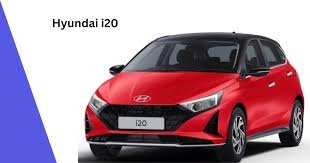
In 2026, buyers expect a car that balances design, technology, safety, and usability in a practical way. The Hyundai i20 addresses these requirements through a feature-led approach suited for daily use. It brings together connected systems, structured safety mechanisms, and a layout designed for both urban driving and longer journeys. Among premium hatchback cars, this model remains relevant by offering features aligned with current driving needs without unnecessary complexity.
Modern Design with Functional Elements
The Hyundai i20 follows a design language that focuses on defined surfaces and purposeful detailing. Each exterior component contributes to visibility, proportion, and road presence without adding unnecessary elements. Key design features include:
- Parametric jewel pattern grille that defines the front fascia
- LED headlamps with signature DRLs for improved illumination
- Z-shaped LED tail lamps that create a distinctive rear profile
- Tailgate spoiler with side wings that enhance the overall structure
- Diamond-cut alloy wheels that support a stable stance
This design approach ensures a consistent visual identity, placing it among hatchback cars that maintain a structured and recognisable exterior layout.
Cabin Layout Focused on Utility
The cabin is arranged to support accessibility and efficient use of space, offering adequate headroom, legroom, and shoulder room for both daily commutes and longer journeys.
- Digital cluster with TFT multi-information display for clear driving information
- Dual-tone interior for a consistent cabin appearance
- Sliding front armrest for added support during longer drives
- Storage spaces positioned for easy access
- Ambient lighting integrated within the cabin layout
This layout ensures the cabin remains practical, organised, and comfortable across different driving conditions.
Connected Technology for Ease of Operation
Technology in this model is designed to support connectivity while maintaining ease of use, allowing access to essential functions without adding complexity.
- 10.25-inch HD touchscreen infotainment system with navigation
- Bluelink connected features for remote access and vehicle monitoring
- Voice recognition with multilingual support for interaction
- Wireless Android Auto and Apple CarPlay (via adapter)
- Bose premium 7-speaker audio system
- Home-to-Car (H2C) functionality with Alexa integration
These features ensure the system remains practical, connected, and aligned with everyday driving needs.
Safety Systems for Protection and Stability
Safety is supported through structural strength and integrated systems that assist both protection and vehicle control. The vehicle includes six airbags as standard for occupant protection. Electronic Stability Control (ESC) with Vehicle Stability Management (VSM) helps maintain stability during sudden manoeuvres. Hill-start Assist Control (HAC) prevents rollback on inclined surfaces. Additional safety features include:
- Tyre Pressure Monitoring System (TPMS) for real-time alerts
- Rear camera with dynamic guidelines for reversing assistance
- Driver Rear View Monitor (DRVM) for improved rear visibility
- Emergency Stop Signal (ESS) to alert the following vehicles during sudden braking
- Body structure built using advanced high-strength steel
These systems work together to support safer driving and occupant protection across different road conditions.
Performance for Daily Driving Conditions
The Hyundai i20 is equipped with a 1.2L Kappa petrol engine designed for consistent performance in everyday driving situations. It supports smooth movement across city roads and highways without requiring frequent adjustments. Transmission options include manual and Intelligent Variable Transmission (IVT), offering flexibility based on driving preference. Drive modes such as Normal and Sport adjust response characteristics to suit different conditions. This setup ensures stable and predictable performance, making it suitable for routine driving needs.
Convenience Features for Everyday Use
Convenience features are designed to simplify daily use and improve accessibility for both drivers and passengers. Key features include:
- Push button start/stop for ignition control
- Cruise control for maintaining speed on highways
- Rear AC vents for improved airflow distribution
- Wireless charging for compatible devices
- Fast USB Type-C charging ports
These elements support everyday functionality and contribute to ease of use in different driving scenarios.
Why It Fits Modern Buyers
This model aligns with current expectations by offering a balanced combination of design, connectivity, safety, and performance. It supports city driving where ease of handling is important while remaining comfortable for longer journeys. The feature set suits both individual users and families looking for a dependable option. Its structured approach ensures that it meets practical needs without unnecessary additions. This balance makes it a relevant choice among premium hatchback cars in 2026.
Conclusion
The Hyundai i20 combines distinctive design elements, connected technology, safety systems, and consistent performance to meet everyday driving needs. Each feature contributes to usability, control, and accessibility in a structured way. This combination ensures it remains relevant among premium hatchbacks in 2026, offering a balanced and practical approach to daily mobility.
