
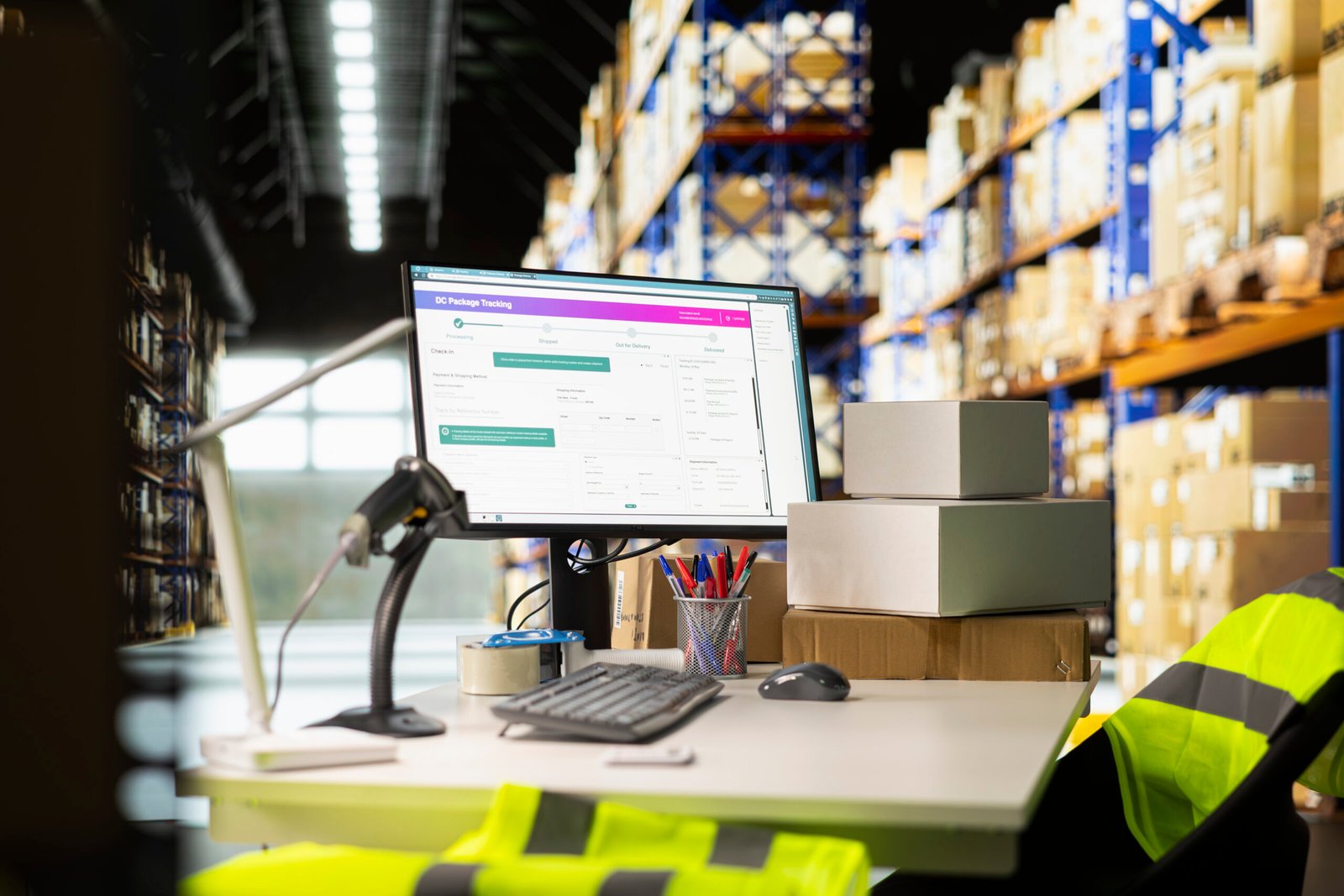
Shipping has become a critical part of business operations as companies across Australia handle increasing order volumes and more complex delivery requirements. Customers expect faster delivery, accurate tracking, and reliable service, which puts pressure on logistics teams to perform consistently. This is why shipping management software has become essential for businesses looking to improve efficiency and maintain control over their shipping processes.
Why Australian Businesses Need Better Shipping Solutions
Australia presents unique logistics challenges. Large distances, regional delivery limitations, and varying carrier capabilities make shipping more complex than in many other markets.
Businesses often face:
- inconsistent delivery times across regions
- limited carrier availability in remote areas
- rising freight costs
- difficulty managing multiple carriers
Without the right tools, these challenges can slow down operations and increase costs. This is where modern logistics software for shippers provides a clear advantage by simplifying and organizing shipping workflows.
What Is Shipping Management Software?
Shipping management software is a digital platform that helps businesses manage shipping activities from order processing to final delivery.
It typically includes:
- shipment creation and booking
- carrier selection and rate comparison
- real time tracking
- reporting and analytics
- document management
By centralizing these functions, businesses can reduce manual work and improve overall efficiency.
Key Features to Look for in 2026
As technology evolves, shipping software continues to improve. Businesses should focus on features that deliver real operational value.
1. Automation for Faster Operations
Automation is at the core of modern logistics systems.
With shipping automation software, businesses can:
- automate order processing
- generate labels instantly
- send tracking updates automatically
- reduce manual data entry
Automation saves time and ensures consistency across operations.
2. Multi Carrier Management
Most businesses work with several carriers to meet different delivery needs.
A strong platform should support:
- easy carrier integration
- real time rate comparison
- performance tracking
- flexible carrier selection
This allows companies to optimize shipping decisions and improve delivery outcomes.
3. Real Time Tracking and Visibility
Visibility is essential for managing shipments effectively.
Shipping management software provides:
- live tracking updates
- delivery status notifications
- centralized shipment dashboards
This improves communication with customers and helps businesses respond quickly to delays.
4. AI Freight Invoice Auditing
Freight billing errors can increase costs without being noticed.
With ai freight invoice auditing, businesses can:
- automatically verify invoices
- detect overcharges
- match invoices with agreed rates
- improve financial accuracy
This feature helps reduce unnecessary expenses and improves cost control.
5. Integration with Freight Management Platform
Shipping software often works alongside a freight management platform to provide deeper insights into logistics operations.
This integration enables:
- better cost tracking
- improved carrier performance analysis
- enhanced reporting capabilities
Together, these tools create a complete logistics solution.
6. Scalability for Growing Businesses
As businesses expand, shipping requirements become more complex.
Modern systems allow companies to:
- handle higher shipment volumes
- add new carriers بسهولة
- expand into new regions
- maintain consistent processes
Scalability ensures long term value from the software.
Top Shipping Management Software Options in Australia
Here are some popular solutions that Australian businesses are using in 2026.
1. FreightExchange
FreightExchange is a leading platform designed for Australian freight operations.
Key benefits include:
- multi carrier connectivity
- real time rate comparison
- automated booking and tracking
- strong integration capabilities
It is ideal for businesses managing complex freight networks.
2. ShipStation
ShipStation is widely used for ecommerce shipping.
It offers:
- order management tools
- label creation
- customer tracking updates
This platform is suitable for businesses focused on fast order fulfillment.
3. Shippo
Shippo provides flexible shipping solutions for small and medium businesses.
Features include:
- easy integration with ecommerce platforms
- multi carrier support
- real time tracking
It is a good option for businesses starting their digital shipping journey.
4. Shippit
Shippit is an Australian based platform that focuses on delivery experience.
It provides:
- delivery tracking
- carrier selection
- customer communication tools
This makes it a strong choice for improving customer satisfaction.
5. Temando
Temando offers enterprise level shipping solutions.
It includes:
- advanced automation features
- multi carrier management
- integration with major ecommerce platforms
This platform is suitable for larger businesses with complex needs.
Exploring Shipping Automation Software Free Options
Some businesses start with shipping automation software free tools to improve their processes.
These solutions often include:
- basic shipment booking
- label generation
- tracking features
While useful for small operations, they may lack advanced capabilities such as automation, integrations, and analytics.
As businesses grow, upgrading to a more comprehensive system becomes necessary.
Benefits of Using Shipping Management Software
Implementing shipping management software offers several advantages.
Increased Efficiency
Automation reduces manual work and speeds up operations.
Cost Savings
Better carrier selection and invoice auditing help control expenses.
Improved Accuracy
Standardized workflows reduce errors and improve reliability.
Better Visibility
Real time tracking provides complete oversight of shipments.
Enhanced Customer Experience
Accurate updates and reliable delivery improve customer satisfaction.
How to Choose the Right Software
Selecting the right solution depends on business needs.
Consider factors such as:
- shipment volume
- number of carriers
- integration requirements
- budget
- scalability
A system that aligns with business operations will deliver the best results.
Preparing for the Future of Logistics
The logistics industry is evolving rapidly with new technologies.
Key trends include:
- increased use of automation
- adoption of AI tools
- improved data analytics
Businesses that invest in modern shipping systems today will be better prepared for future challenges.
Final Thoughts
Shipping operations are becoming more complex as businesses expand and customer expectations continue to rise. Companies that rely on manual processes often struggle with inefficiencies, higher costs, and limited visibility. By adopting advanced shipping management software, along with tools like ai freight invoice auditing, shipping automation software, and logistics software for shippers, businesses can improve efficiency and gain better control over their operations. For organizations aiming to build a scalable and reliable logistics strategy, implementing a strong transport management system in Australia is a practical step toward long term success.
