
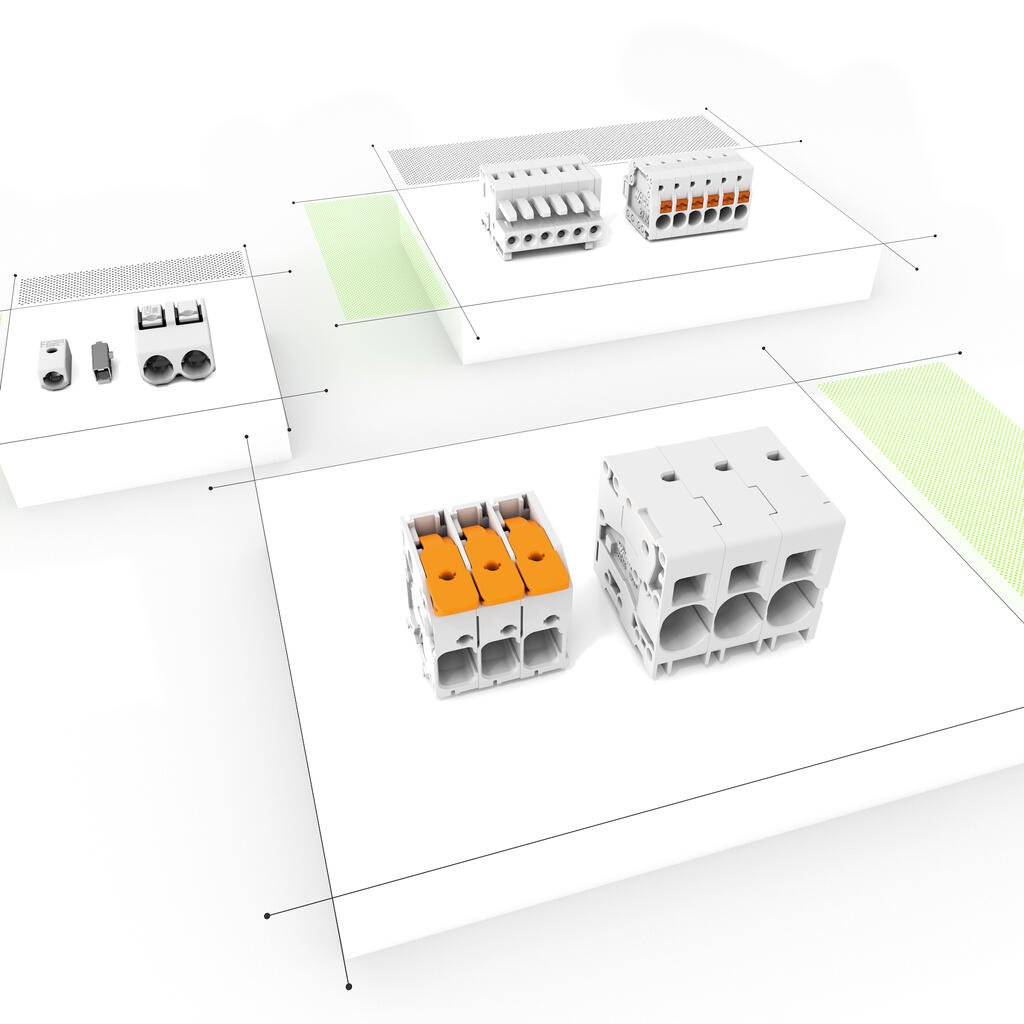
Modern lighting systems rarely fail because of poor LEDs. In many cases, the real problem comes from unreliable electrical connections. Loose wiring, overheating, unstable current flow, and difficult maintenance can quickly reduce the performance of even advanced electronic systems.
As electronics become smaller and more intelligent, lighting connectors and PCB Connectors have evolved far beyond simple components that complete a circuit. Today, they play a major role in improving assembly speed, supporting compact designs, reducing wiring errors, and increasing long-term reliability.
Manufacturers now need connector systems that can handle high-density layouts while simplifying installation and reducing maintenance costs. This shift has made modern connector technology an essential part of smarter electronic design.
The Shift from Basic Conductivity to Intelligent Connection
Traditional connectors were built with one primary goal: transferring electricity from one point to another. While conductivity still matters, modern electronics demand much more.
Today’s devices require:
- Miniaturized designs
- Faster assembly
- Tool-less installation
- Stable electrical performance
- Better durability in harsh conditions
This is where intelligent connection technology becomes important.
Modern lighting connectors are designed to reduce installation complexity and improve consistency during assembly. Features like push-wire technology eliminate the need for manual screw tightening, helping installers work faster while reducing the risk of loose connections.
At the same time, advanced PCB Connectors help manufacturers optimize space inside compact electronic systems. Instead of acting as passive components, they now support better manufacturing efficiency, signal stability, and long-term reliability.
The difference is simple:
- Basic connectors complete a connection.
- Intelligent connectors improve overall system performance.
For manufacturers building smart lighting systems, automation devices, and compact electronics, connector quality directly affects product reliability and production speed.
The Three Layers of Connector Value
Modern connector systems deliver value across three critical areas.
| Layer | Function | Outcome |
| Mechanical | Tool-less, compact design | Faster assembly |
| Electrical | Stable signal and high current handling | Prevents failure |
| Environmental | Resistance to vibration and heat | Longer operational life |
Mechanical Performance
Mechanical design affects how quickly and efficiently products can be assembled. Compact lighting connectors allow manufacturers to work within smaller spaces without creating wiring complexity.
Tool-less connection systems also reduce assembly time. Installers can create secure connections faster while maintaining consistent quality across large production runs.
Electrical Performance
Electrical reliability is essential in modern electronics. Poor contact quality can create resistance, overheating, and unstable performance.
High-quality PCB Connectors maintain stable signal transmission and reliable current flow even in demanding applications. This helps reduce system failures and improves operational consistency.
Environmental Performance
Electronics often operate in environments exposed to heat, vibration, and constant usage. Connectors designed with strong environmental resistance help maintain stable performance over time.
Durable connector systems reduce maintenance requirements and extend product lifespan, especially in industrial lighting and automation applications.
How WAGO’s PCB Connectors Deliver on This Model
WAGO has become widely recognized for designing connector systems that combine compact design with high performance. Its advanced PCB Connectors are engineered for applications where space efficiency, reliability, and installation speed are critical.
One major advantage is push-wire connection technology. Unlike traditional screw-based systems, push-wire connectors allow fast and secure wiring without torque tools. This reduces installation time while improving connection consistency.
For manufacturers using lighting connectors, this technology simplifies assembly and reduces the risk of wiring errors during installation.
WAGO also uses polarized headers that help prevent connector mis-mating. This ensures components are connected correctly during assembly, reducing production mistakes and improving product reliability.
By combining compact layouts, tool-less technology, and stable electrical performance, WAGO’s connector systems help manufacturers improve both efficiency and durability.
Turning Features into Faster Time-to-Market
Connector technology has a direct impact on manufacturing speed and operational efficiency.
Tool-less installation saves valuable assembly time across large production volumes. Even small time reductions per unit can significantly improve overall manufacturing productivity.
Modern PCB Connectors also help reduce the number of connection components required in a system. Fewer SKUs simplify inventory management and streamline procurement processes.
Reliability is another major advantage. Connection-related failures are one of the most common causes of electronic system breakdowns. Using advanced lighting connectors helps manufacturers reduce maintenance costs and minimize field failures.
Faster assembly, simplified inventory, and improved reliability all contribute to shorter production cycles and quicker product launches.
Conclusion
Modern electronics require more than basic electrical continuity. As systems become smaller, smarter, and more performance-driven, connector technology plays a much larger role in product success.
Today’s lighting connectors and PCB Connectors help manufacturers improve assembly efficiency, reduce installation errors, support compact designs, and increase long-term reliability.
FAQs
What makes lighting connectors different from standard terminal blocks?
Lighting connectors are designed for compact lighting systems where fast installation, vibration resistance, and simplified wiring are important. Many also support tool-less operation for quicker assembly.
How do PCB connectors improve electronic assembly efficiency?
PCB Connectors simplify wiring processes, reduce manual assembly effort, support compact layouts, and help minimize installation errors during production.
Why choose WAGO’s PCB connectors over screw-based alternatives?
WAGO’s PCB Connectors offer faster tool-less installation, consistent connection quality, reduced maintenance requirements, and improved reliability compared to traditional screw-based systems.
