
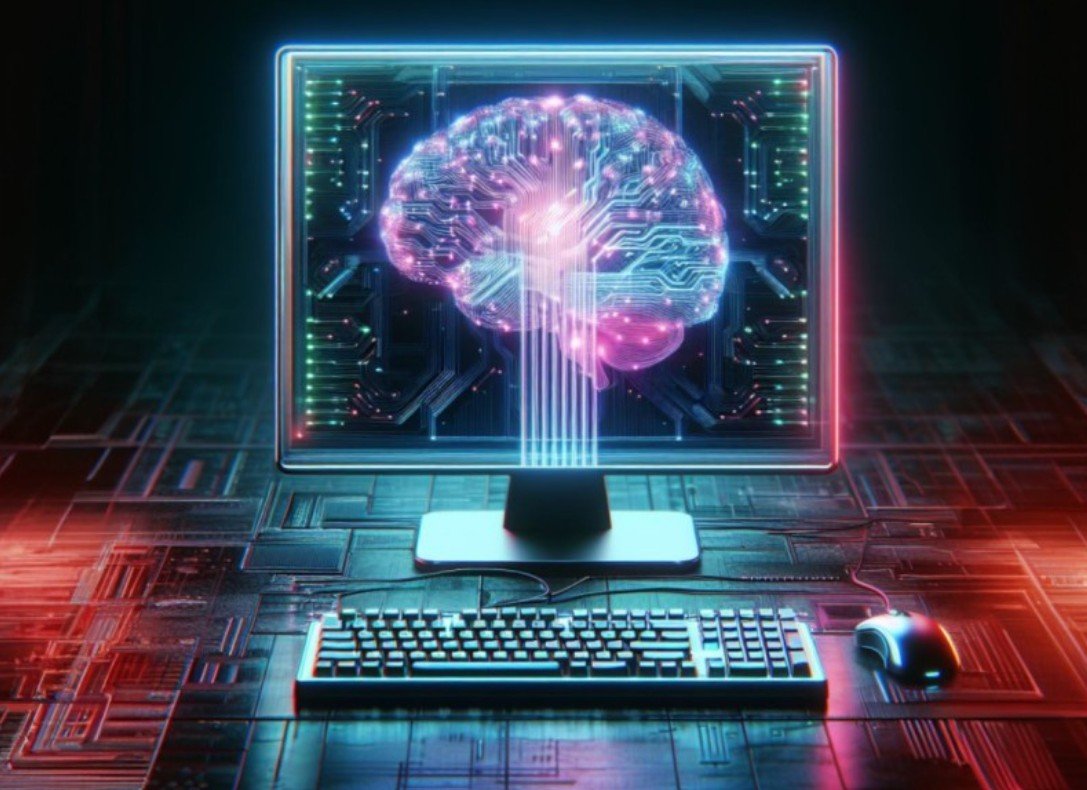
Data is no longer just numbers on a screen. It is the core of every digital action we take. For years, data has been static and stored in silos. Businesses used it only after the fact to understand trends. That old model is now breaking apart. AI PCs are reshaping how data behaves. They are turning data from static storage into active intelligence.
Whether it’s an AI laptop or a full-fledged AI computer, they bring processing power directly to where data lives. This new shift helps systems learn from data in real time. Every process becomes smarter with each interaction. Tasks that once required human decisions now improve on their own. The result is data that learns, adapts, and optimizes itself every moment.
In the following sections, we explore seven powerful ways AI PCs are transforming static data into self-optimizing intelligence.
1. Real-Time Data Learning
Traditional systems read data only after it is stored. But this is not the case with an AI laptop because it processes data while it is being created. This real-time learning helps systems identify patterns instantly.
AI PCs use onboard neural engines to process insights locally. This means faster results and less reliance on the cloud. Over time the system develops its own understanding of what the data means. Real-time learning helps businesses move from reactive to proactive decision-making.
- Data no longer waits for analysis.
- Each new data point refines the next action
- Feedback loops run continuously
This direct shift makes data feel alive. Instead of just showing results, it starts to create solutions on its own.
As more people make a shift towards AI PCs, the market is skyrocketing. In Canada, AI PCs accounted for more than 10.2% of the global AI computer market in 2024.
2. Predictive Decision Making
Once AI PCs start learning in real time, they also begin predicting. Predictive decision making turns data into foresight. It allows systems to act before issues happen.
For example, AI PCs can forecast system bottlenecks and fix them before they slow operations. In business environments, they can analyze customer data and predict buying behavior. This predictive layer helps teams stay ahead without constant manual review.
- Predictive models identify risks early.
- AI PCs adjust performance automatically.
- Data accuracy improves as learning grows.
As AI PCs gather continuous input, they refine predictions daily. The system does not stop learning. Each prediction feeds into a self-correction cycle that keeps improving. This continuous refinement transforms ordinary datasets into intelligent ecosystems.
3. Adaptive Storage Management
AI PCs bring flexibility to storage. Traditional data systems keep static files. AI PCs, on the other hand, organize and restructure data automatically. They understand what needs to stay accessible and what can move to deeper storage.
- Smart tiering improves data efficiency.
- Unused files shift to low-power storage.
- Frequently used data stays in fast lanes.
Adaptive storage management helps devices use less energy. It also reduces costs for enterprises that handle huge volumes of information. This optimization keeps systems light and ready for performance spikes.
AI PCs apply context to every data block. They recognize patterns of access and shift resources accordingly. Over time, data storage becomes self-balancing.
4. Intelligent Security Evolution
Static systems rely on fixed security rules. AI PCs take a smarter route. They learn attack patterns as they emerge and adjust defenses instantly. As more interactions occur, AI PCs collect behavioral data about normal activity. They use this data to define what safety looks like. Any deviation triggers self-protection responses. The more it learns, the stronger it becomes.
- Threat detection evolves in real time.
- Behavioral analysis identifies risks early.
- Security layers adapt to changing environments.
This active protection keeps data safer. The AI observes every process and flags unusual actions. When threats arise, the system adjusts its strategy without human help.
5. Automated Workflow Optimization
Data can drive workflows when processed through AI PCs. Once systems learn how tasks operate, they find ways to optimize them. AI PCs not only execute but also refine workflows as they go.
For instance, a company running data reports daily can reduce time by half through automatic scheduling and load balancing.
- AI identifies repeated steps and removes waste.
- It recommends faster routes for data processing.
- Systems learn to prioritize high-value tasks.
This automation creates a new rhythm of work. Tasks start aligning themselves to business goals automatically.
6. Context-Aware Data Processing
Data alone has no meaning until context gives it value. AI PCs provide that context instantly. They analyze where data comes from, why it exists, and how it relates to current goals. Context awareness helps AI PCs learn beyond patterns. They start to understand intentions. This understanding allows them to group similar datasets for smarter outcomes.
- Context gives depth to raw data.
- AI uses metadata to identify purpose.
- Insights become action-driven.
When AI PCs process context, they eliminate noise. Only relevant data stays active. This results in faster decisions and more accurate insights.
7. Continuous Self-Optimization
The ultimate transformation happens when data starts improving itself. AI PCs achieve this through self-optimization loops. AI PCs refine algorithms on the go. They measure latency, energy use, and accuracy constantly. When any value drops, the system reacts immediately to fix it.
- Systems monitor their own performance..
- Data flows adjust automatically for efficiency
- Learning continues without stopping. Self-optimization keeps performance consistent. It removes the need for manual tuning.
Over time, AI PCs evolve into self-managed intelligence engines.
The New Era of Data Intelligence
AI PCs have changed what we expect from data. It is no longer static, stored, or delayed. It is active living and constantly learning. The journey from static to self-optimizing marks a turning point for every organization.
Businesses gain smarter systems that respond instantly. Users experience faster performance and better accuracy. Most importantly, data starts serving human needs instead of waiting for human commands.
Each action today builds a smarter result for tomorrow. AI PCs create that loop where every piece of data improves the next one.
Conclusion
Data has entered a new era. AI PCs have turned it from silent storage into active intelligence. Through real-time learning, predictive insights, adaptive storage, intelligent security, automated workflows, context awareness, and self-optimization, data now moves on its own path of progress.
This shift is more than a technology trend. It is the foundation of digital evolution. As AI PCs continue to grow smarter, the world will depend on self-optimizing data to power every choice and every connection.
