

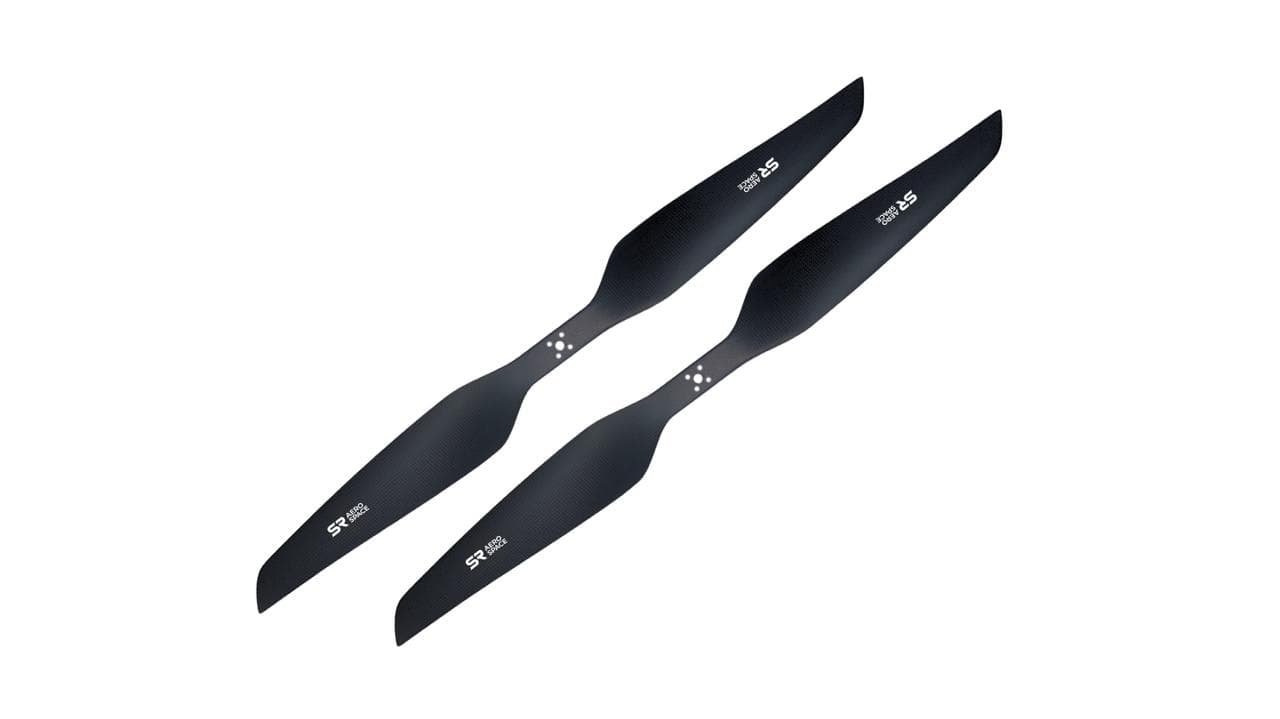
In the fast-paced world of aerospace engineering, the need for efficient propulsion systems has never been greater. Many businesses and organizations are increasingly turning to Brushless DC (BLDC) motors, thanks to their exceptional efficiency and reliability—especially when it comes to Unmanned Aerial Vehicles (UAVs). Gaining a solid grasp of how to Controlling BLDC Motors can significantly boost the performance of these aerial machines, giving companies a competitive edge in this ever-evolving market.
Understanding BLDC Motor Technology
At the core of many UAV propulsion systems lies the BLDC motor. Unlike traditional brushed motors, BLDC motors eliminate the need for brushes, which cuts down on mechanical wear and extends the lifespan of the motor. This fundamental shift leads to higher efficiency, making BLDC motors especially attractive for applications that call for long operational hours and minimal maintenance.
BLDC motors operate with an electronic commutation system, where a controller manages the motor’s phases. This method not only enhances efficiency but also offers precise control over speed and torque. For businesses invested in UAV technology, this translates to greater maneuverability and adaptability in various flight conditions.
The Role of Motor Control in UAV Propulsion
Controlling BLDC motors effectively is vital for optimizing UAV performance. The electronic control unit (ECU), commonly known as the motor controller, plays a central role in this process. It regulates power input, ensuring that the motor runs smoothly and efficiently across different operational scenarios.
Here are a few key benefits of mastering BLDC motor control:
– Improved Energy Efficiency: By fine-tuning how the motor consumes power, businesses can extend the UAV’s flight time, a crucial factor for commercial and industrial applications.
– Enhanced Stability and Control: Precise motor control leads to better stability, which is essential for tasks requiring steady flight, like aerial photography and surveying.
– Reduced Wear and Tear: Efficient motor control lessens mechanical stress, cutting down on the need for frequent maintenance and extending the UAV’s operational life.
Custom Manufacturing for Aerospace Efficiency
One big advantage of collaborating with a specialized manufacturer is the ability to customize BLDC motors for specific aerospace applications. Custom manufacturing allows for the optimization of motor parameters, like torque and speed, to meet the unique requirements of various UAV models.
Manufacturers can adjust the motor’s design to reduce weight, improve heat dissipation, and enhance overall efficiency. For businesses, this means gaining access to propulsion solutions that align perfectly with their operational goals, whether that’s maximizing payload capacity or achieving longer flight durations.
Innovations and Trends in BLDC Motor Control
The field of BLDC motor technology is constantly advancing, with new innovations shaping the future of UAV propulsion. Here are some noteworthy trends:
1. Integration of AI and Machine Learning: Cutting-edge algorithms are being developed to predict and optimize motor performance in real-time, allowing for smoother and more efficient UAV operations.
2. Enhanced Sensor Technology: Sophisticated sensors in motor controllers are improving the precision of motor control, delivering unmatched responsiveness and accuracy.
3. Energy Harvesting Solutions: Future BLDC motors may incorporate energy harvesting technology to further extend flight times and lessen reliance on battery power.
Future Prospects of BLDC Motor Technology in Aerospace
As the aerospace industry keeps pushing the boundaries of innovation, the role of BLDC motors in UAV applications is set to expand even more. With advancements in materials science and electronics, these motors are becoming lighter, more powerful, and more efficient.
For businesses eager to stay ahead of the curve, investing in cutting-edge BLDC motor solutions is essential. By partnering with manufacturers that specialize in custom solutions, they can ensure their UAVs are equipped with the most effective propulsion systems, ready to tackle the challenges of tomorrow’s skies.
Conclusion
In summary, controlling BLDC motors is a crucial element for unlocking the full potential of UAVs in aerospace applications. By understanding the nuances of BLDC motor technology and taking advantage of custom manufacturing, businesses can achieve remarkable performance and efficiency. As new innovations continue to emerge, staying informed about the latest trends will help organizations remain competitive and thrive in this dynamic industry.
