

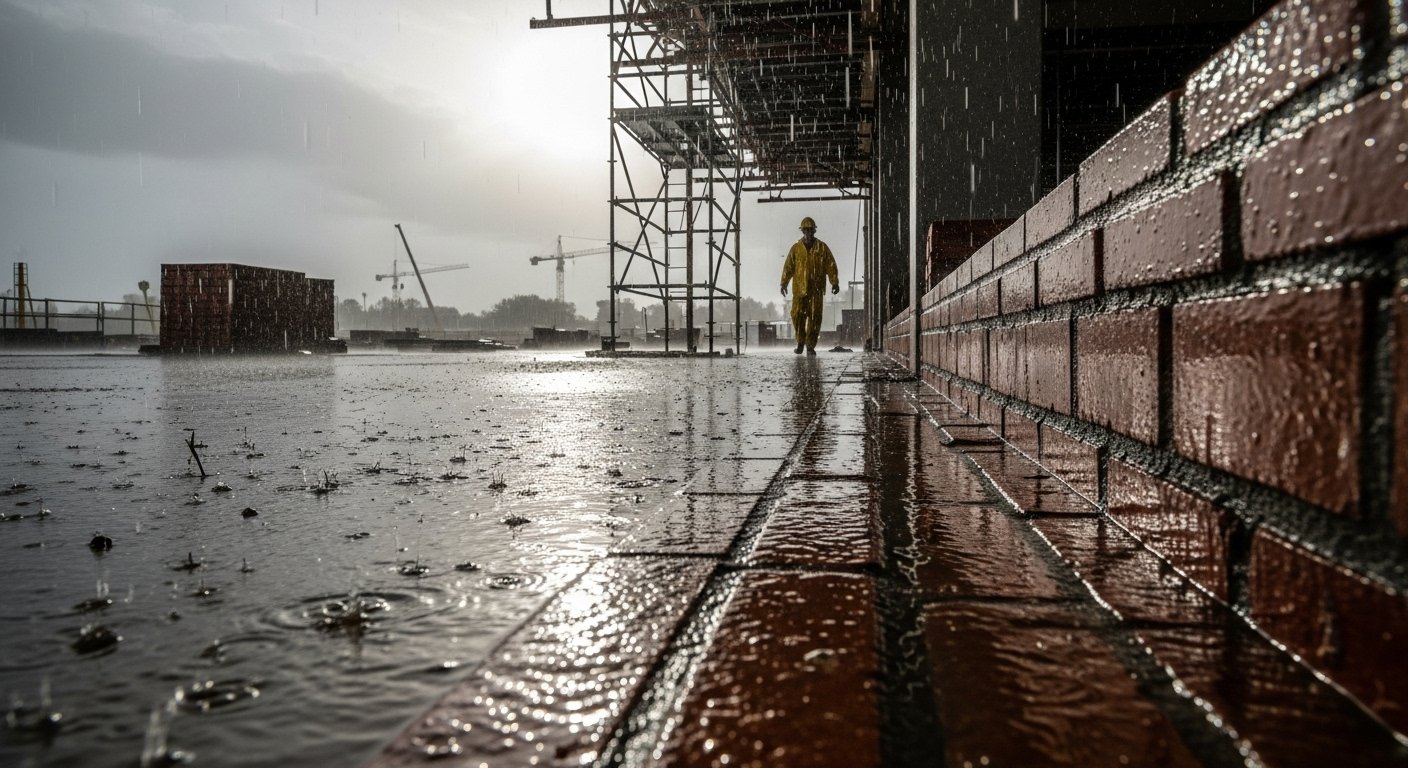
Picture this: you’re planning a new construction project, and just as the site work contractors for new construction finish leveling the land, Mother Nature intervenes. This leads to a perfectly planned project being ruined by unexpected rainstorms, heatwaves, or simply harsh weather that makes it extremely difficult for contractors to work. According to statistics, 45% of the construction projects experience weather-related delays.
Today, we will discuss how climate shifts can impact construction projects and the strategies to address them.
Rising Frequency of Extreme Weather
There has been a rising trend of regions experiencing harsh and unexpected weather, causing chaos and destruction. Some of these situations include:
- Intense rainfall and flooding
- Prolonged heatwaves
- Severe thunderstorms
- Hurricanes in coastal regions
- Wildfire threats in dry climates
- Heavy snowfall and frozen ground in winter zones
How Extreme Weather Impacts Ground Preparation
Here are some negative impacts that can result from weather-related concerns for ground preparations.
Soil Instability and Erosion
Heavy rainfall makes soil difficult, or even dangerous, to work with. Clay and loamy soils become overly saturated, losing strength and making grading or compaction ineffective. In extreme cases, contractors must regrade entire areas due to washouts.
Flooding and Water Management Challenges
Standing water after flooding slows construction progress, as soil integrity is compromised. This requires additional stabilization or fill material before work can continue.
Delays in Clearing and Excavation
High winds, frozen grounds, and extreme heat create delays in the schedule. This is primarily due to unsafe working conditions.
Equipment and Material Damage Due to Weather Events
Now, let’s look at the potential damage that construction machinery might face in extreme weather.
Heavy Machinery Exposure
Waterlogged terrain increases the risk of machinery sinking or becoming stuck, leading to costly recovery efforts and equipment repairs.
Material Storage Issues
Lumber, pipe, and aggregate require protection. Heavy rain, strong winds, or sudden temperature shifts can compromise material quality or blow stock out of place, increasing waste and delays.
Strategies Site Work Contractors Use to Adapt
After discussing the concerns caused by extreme weather, let’s look at the ways contractors can address them.
Advanced Weather Forecasting Tools
Contractors can now rely on real-time weather apps, radar systems, and similar tools to anticipate incoming weather-related concerns. Once they know what to expect, they can schedule their construction work accordingly.
Seasonal Scheduling Adjustments
Not all construction-related activities are hampered by weather conditions. But specific tasks, like excavation, trenching, or compaction, require optimal weather windows to be performed.
Reinforced Erosion and Stormwater Controls
Techniques such as silt fences, geotextile fabrics, and temporary drainage swales help mitigate damage from heavy rains.
Investing in Weather-Resilient Equipment
Machinery and equipment such as all-terrain track loaders, water-resistant electronics, and ground-thawing systems help contractors work efficiently in challenging climate conditions.
The Final Word
Extreme weather is a regular challenge for modern construction projects. Now that you know what to expect during extreme weather and strategies to guard against it, the next step is hiring reliable site work contractors for new construction. That’s what you’ll get at HJP Trucking and Excavation. Start your construction project the right way
